American Express got paid. The credit-card bill was Sujata Sachdeva’s. The money came from Koss, the Milwaukee headphone company where she ran the finances. Bank records could show where the cash went. Someone reading the company books had to work harder to see what had happened. [1][3]
Sachdeva joined Koss in 1992 and rose to vice president of finance. She had authority to move money from company accounts and could have employees carry instructions to the bank. Prosecutors said she used wires to pay personal card balances and cashier’s checks for other expenses. Their list included furs, shoes, travel and home improvements. Each purchase made a second bit of work for somebody in accounting. The bank now had less money in it than the company’s records would otherwise show. [1][2][3][4]
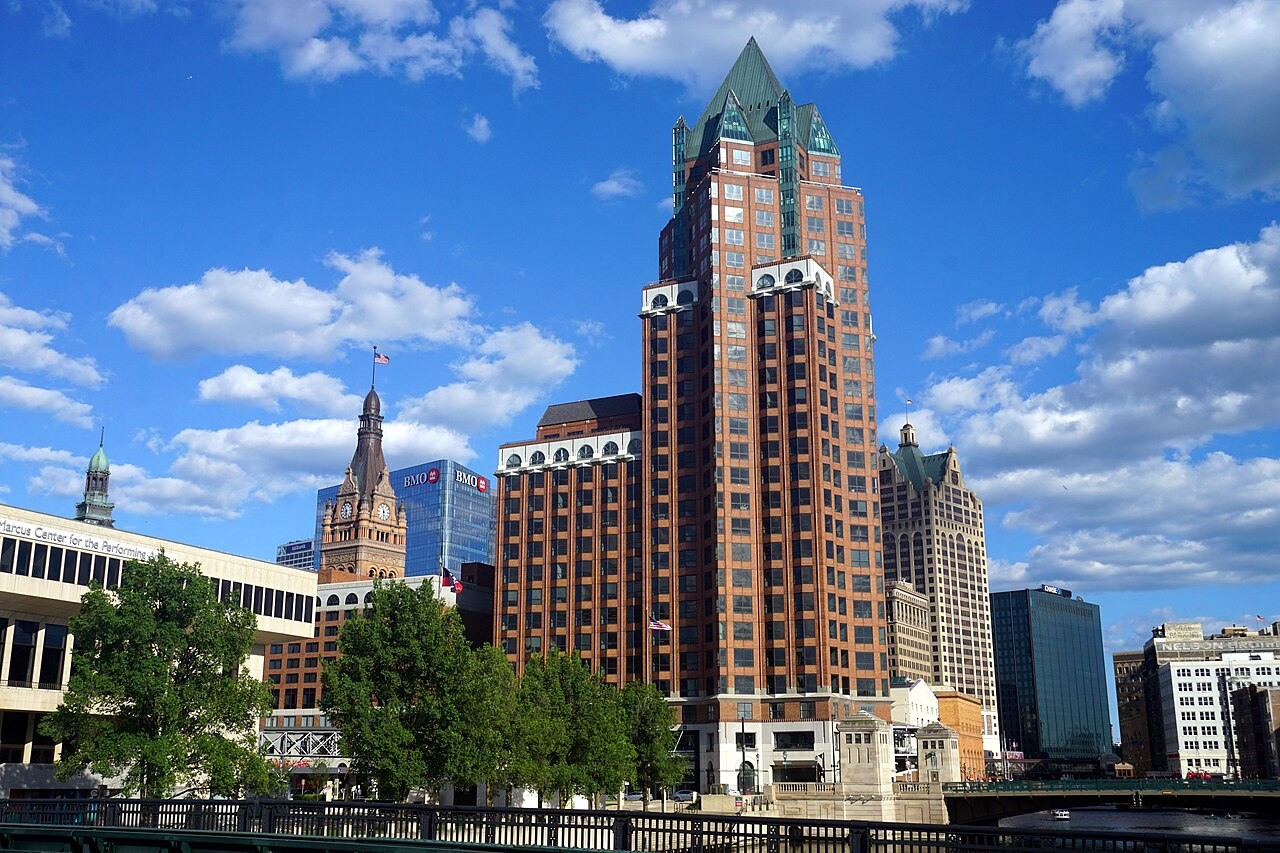
Michael Barera · Image source · CC BY-SA 4.0 · Geographic context; not authentic crime evidence. The building or landscape is public geographic context; no event is assigned to it.

The date on the ledger
Prosecutors described one way to get the numbers closer together for a while. Record a payment before it actually goes out and the books show less cash. Delay entering money a customer paid and they show less again. A timing change buys time. The real payments and receipts still have to be accounted for. [1]
The government’s sentencing filing also described erased sales and entries that altered accounts for assets, liabilities or expenses. These could keep the books in balance while giving the company a false account of where its money had gone. The work behind the fraud continued long after the card bill cleared. [1]
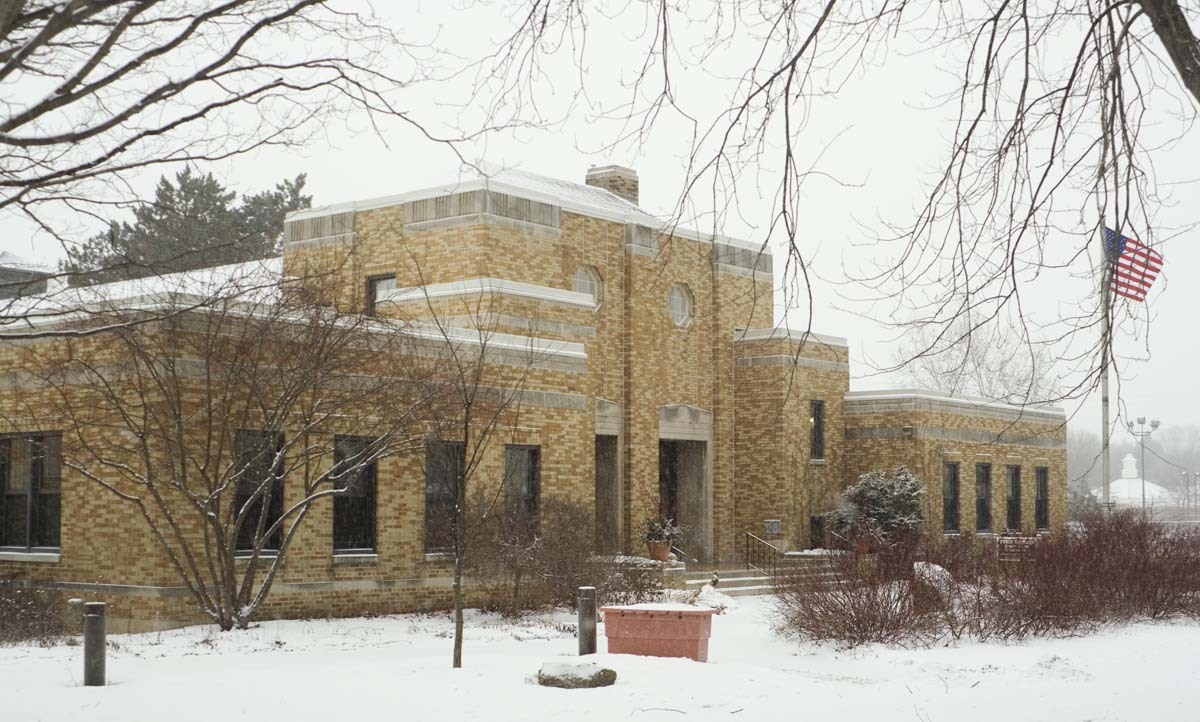
Freekee · Image source · Public domain · Geographic context; not authentic crime evidence. The building or landscape is public geographic context; no event is assigned to it.


When trading stopped
Sachdeva was arrested on December 21, 2009. That day NASDAQ halted trading at Koss’s request. The company disclosed that earlier annual reports could no longer be relied on. Trading resumed January 11. Federal authorities announced six wire-fraud counts later that month, initially alleging more than $31 million in diversions during the charged period. [1][3]
Sachdeva pleaded guilty to all six counts in July 2010. In November the judge sentenced her to eleven years in prison and three years of supervised release and ordered $34 million in restitution. The SEC later suspended her from appearing or practicing before the commission. [1][2]
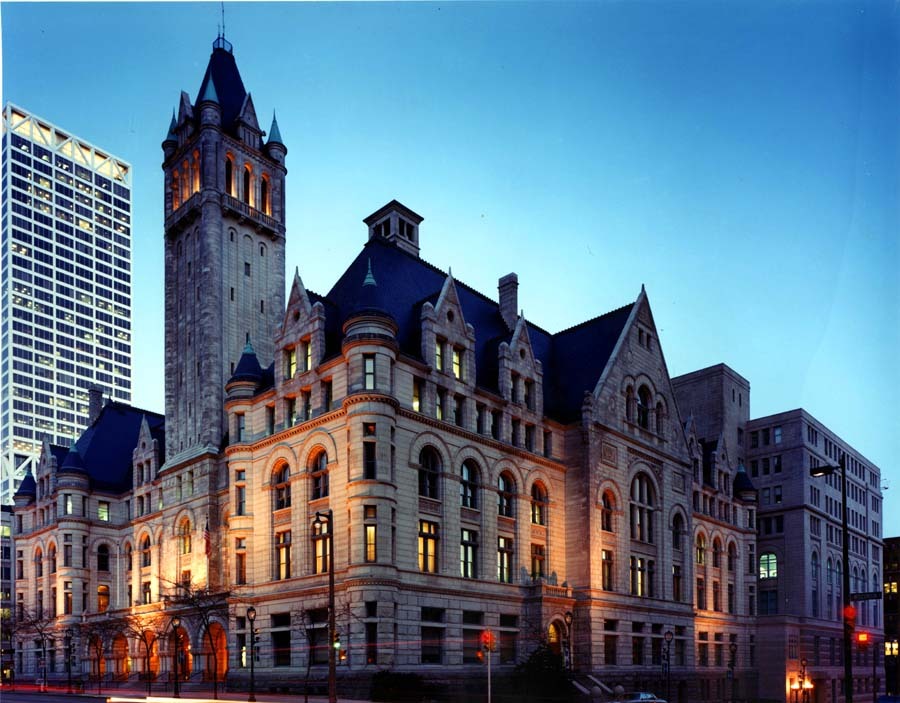
General Services Administration · Image source · Public domain · Geographic context; not authentic crime evidence. The building or landscape is public geographic context; no event is assigned to it.


The instructions Park Bank received
Koss went to court seeking to hold Park Bank liable. The Wisconsin Supreme Court considered what bank employees knew about the cashier’s checks they issued and the requests conveyed by Koss staff. In 2019 it affirmed dismissal of the claim under the state’s Uniform Fiduciaries Act. [4]
The bank case went back to something an employee could see at the counter. An authorized person had requested a check and given instructions about where the money should go. The criminal case followed what those requests had cost Koss. The civil case asked what the bank had reason to know while it was still taking them. [1][4]
Case brief
Milwaukee / Mequon, Wisconsin · 1999–2009
- Recorded outcome
- Sachdeva pleaded guilty to six wire-fraud counts in July 2010 and was sentenced in November to 11 years and $34 million in restitution. Release from federal custody was reported in April 2017. Wisconsin’s Supreme Court affirmed dismissal of Koss’s civil claim against Park Bank in 2019.
Key moments
People in this case
- Sujata Sachdeva
Pleaded guilty to wire fraud
Photo at source · Milwaukee Business Journal · courthouse photograph
Look closer · 9 visuals
Inside the evidence.
Open a visual to explore what it contributed to the case—and the limits of what it shows. Photographs, historical reproductions and original illustrations are individually labeled. Open the notes for each image’s source, credit, and limitations; setting photographs do not depict crime scenes.
Money and books tell different stories
Original editorial illustration — not an actual evidence photograph or exhibit.
Read the evidence notes
The concealment sought to reconcile a shrinking bank balance with internal records.
No actual bank statement or account number is recreated.
A temporary timing fix
Original editorial illustration — not an actual evidence photograph or exhibit.
Read the evidence notes
The government described timing changes as a short-term concealment method.
This is an attributed sentencing account, not an audit of every entry.
The permanent accounting cover
Original editorial illustration — not an actual evidence photograph or exhibit.
Read the evidence notes
Prosecutors described multiple forms of bookkeeping concealment.
No employee other than Sachdeva is assigned criminal guilt here.
Why the dollar totals differ
Original editorial illustration — not an actual evidence photograph or exhibit.
Read the evidence notes
Charging estimates and later sentencing figures describe different stages.
Restitution ordered is not money already recovered.
Requested versus imposed sentence
Original editorial illustration — not an actual evidence photograph or exhibit.
Read the evidence notes
A prosecution guideline argument is not the sentence the court actually imposed.
No present custody or supervision claim is made.
Civil bank liability is another question
Original editorial illustration — not an actual evidence photograph or exhibit.
Read the evidence notes
The 2019 opinion addressed liability under the asserted civil claim.
A civil dismissal does not undo the criminal guilty pleas.
Milwaukee skyline in June 2022
Context photograph — not an actual crime exhibit. The building or landscape is public geographic context; no event is assigned to it.
Read the evidence notes
Milwaukee skyline in June 2022. Geographic context photograph; not a crime-scene photograph or an original evidence exhibit. The building or landscape is public geographic context; no event is assigned to it.
Geographic context; not authentic crime evidence. The building or landscape is public geographic context; no event is assigned to it. The source and reuse terms are linked below.
Michael Barera · Image source · CC BY-SA 4.0
Mequon Town Hall in 2009
Context photograph — not an actual crime exhibit. The building or landscape is public geographic context; no event is assigned to it.
Read the evidence notes
Mequon Town Hall in 2009. Geographic context photograph; not a crime-scene photograph or an original evidence exhibit. The building or landscape is public geographic context; no event is assigned to it.
Geographic context; not authentic crime evidence. The building or landscape is public geographic context; no event is assigned to it. The source and reuse terms are linked below.
Freekee · Image source · Public domain
The Federal Building and United States Courthouse in Milwaukee
Context photograph — not an actual crime exhibit. The building or landscape is public geographic context; no event is assigned to it.
Read the evidence notes
The Federal Building and United States Courthouse in Milwaukee. Geographic context photograph; not a crime-scene photograph or an original evidence exhibit. The building or landscape is public geographic context; no event is assigned to it.
Geographic context; not authentic crime evidence. The building or landscape is public geographic context; no event is assigned to it. The source and reuse terms are linked below.
General Services Administration · Image source · Public domain
★ Key evidence used in a conviction · ✓ Exclusion or reversal · ◇ Disputed evidence · ⊘ Excluded at retrial · ◆ Identity / investigative finding, not a conviction. A symbol does not mean one item proved the whole case.
Follow the locations
Put the story on the map.
Follow the dated entries, then select an event to find its regional setting. Shared-location pins open a group of events. Evidence symbols identify important findings and their limitations.
Open the map in its own window ↗Sources & further reading
- Government’s sentencing memorandum, United States v. SachdevaGovernment filing: accounting concealment, proceeds, trading halt, arguments over guideline enhancements and sentencing factors; advocacy identified.
- SEC administrative order concerning Sujata SachdevaConviction, original role, imposed 132-month sentence, supervision, $34 million restitution and professional-practice suspension.
- Former Koss executive charged — U.S. Attorney/FBI archiveCharging-stage allegations of more than $31 million, wires and cashier’s checks, purchase categories and forfeiture.
- Koss Corporation v. Park Bank — Wisconsin Supreme CourtCivil litigation about bank liability, account authority, cashier’s checks and affirmance of dismissal; not a criminal conviction of a bank.
- Koss embezzler’s scheduled release from a federal halfway house — Milwaukee Business JournalContemporaneous report of scheduled April 2017 release after more than six years.
- Sue Sachdeva released from federal custody — PatchReports completion of her time in federal custody after placement at halfway houses.
Editorial review: 2026-11-12 · 454 words