An investor looking at one of Marc Dreier’s notes could ask to speak to somebody at the company supposedly borrowing the money. Dreier could arrange that. Sometimes he was the somebody. Federal prosecutors said he impersonated representatives of the organizations named in the deal and recruited other people to play the part. [1]
Dreier had a New York law firm with hundreds of lawyers in its offices and affiliates. An investor could look up the firm and find a real business. It even had a real attorney trust account where buyers could send the money for the invented debts. [1][2]
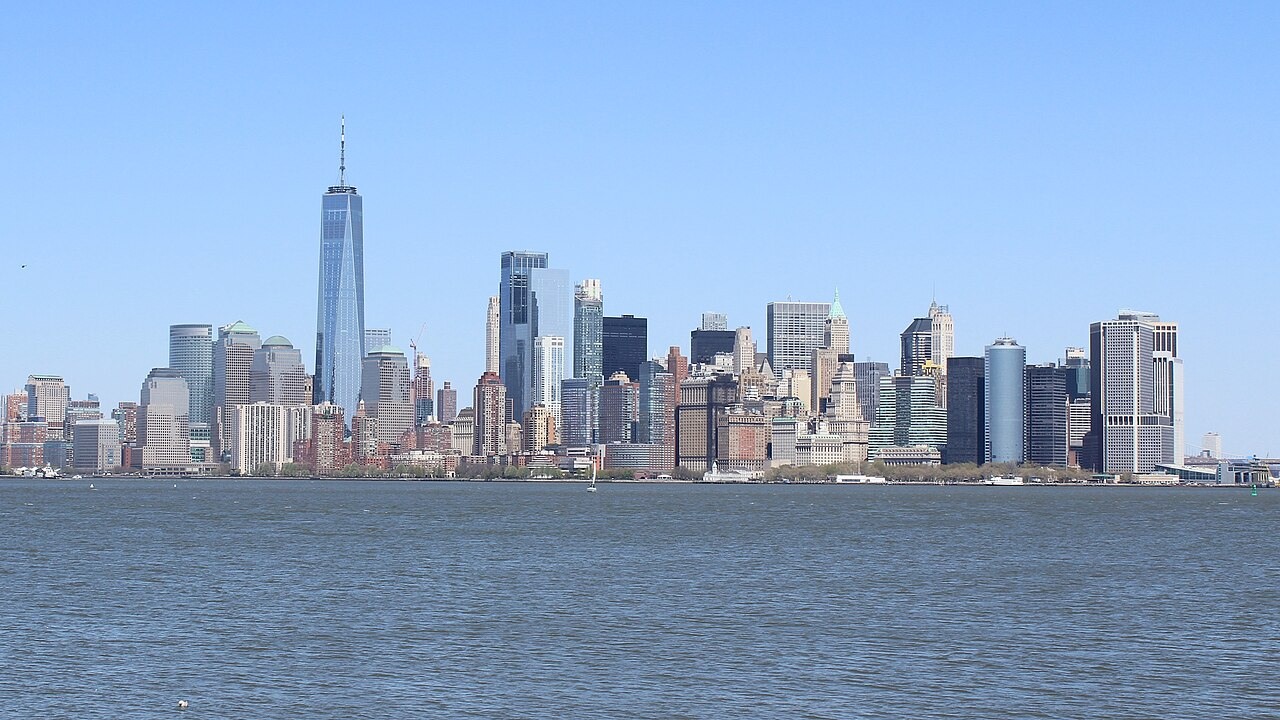
Percival Kestreltail · Image source · CC BY-SA 3.0 · Geographic context; not authentic crime evidence. The building or landscape is public geographic context; no event is assigned to it.

The papers and the person on the phone
A promissory note is a borrower’s promise to repay. Dreier sold notes in the names of organizations that had never issued or authorized them. Among the names he used were those of a New York real-estate developer and a Canadian pension plan. He gave investors financial statements and guarantees to go with the notes. Those were false too. [1]
There were emails, calls and meetings. Dreier gained unauthorized access to premises associated with the developer and pension plan. A buyer could ask for an independent confirmation and hear from another person Dreier had supplied. The paperwork and the people answering questions were part of the same arrangement. [1]
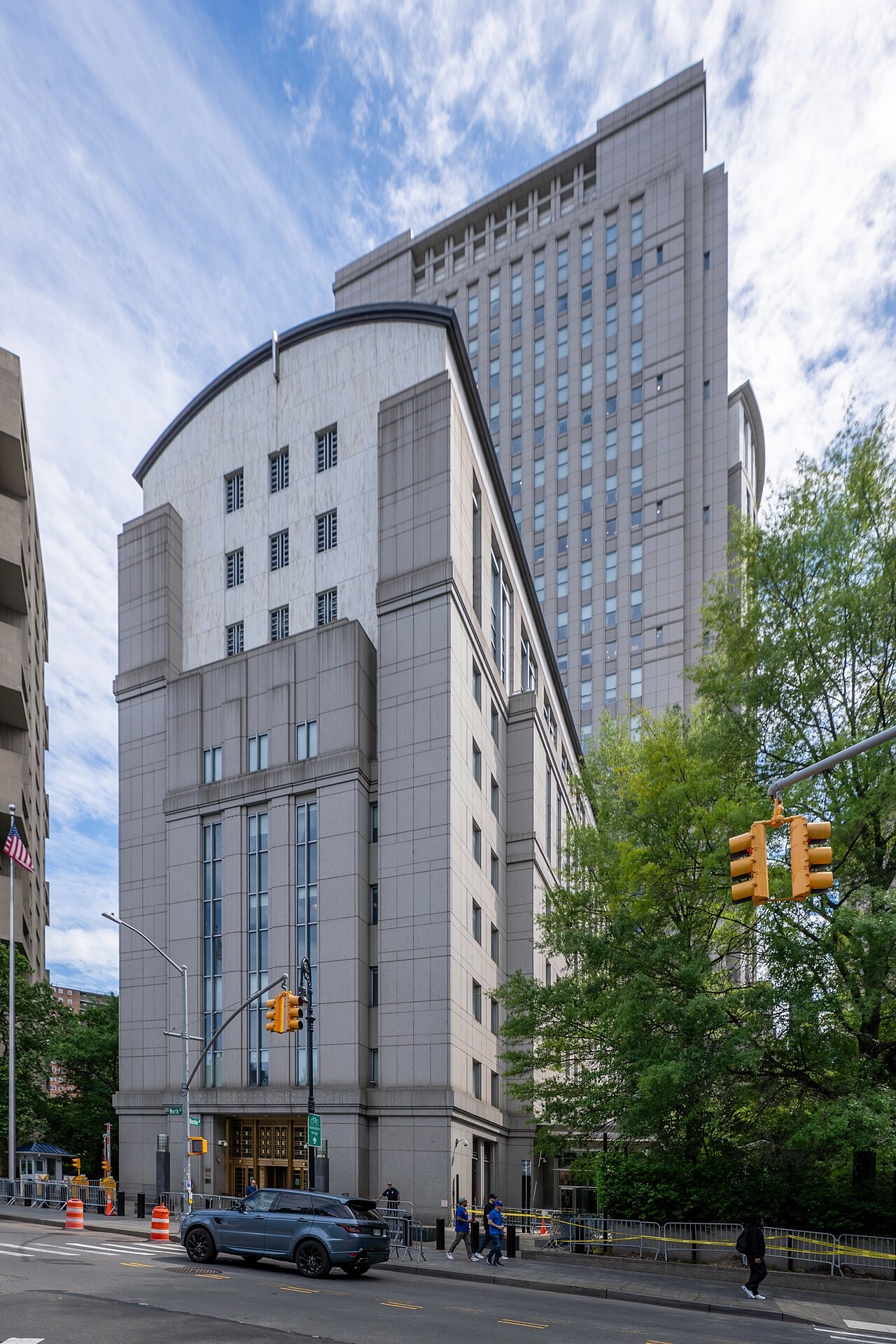
83136374@N05 · Image source · CC BY 4.0 · Geographic context; not authentic crime evidence. The building or landscape is public geographic context; no event is assigned to it.

What passed through the trust account
The note sales brought in more than $700 million. Some money went back out in payments of principal and interest. That left reported out-of-pocket losses of about $400 million. The government also traced more than $46 million in diverted client funds. Those clients had entrusted money to their lawyers, in some cases for escrow or after a settlement. They’d never had to decide whether to buy one of Dreier’s notes. [1][2]
In December 2008, the SEC filed a civil case and a receiver began securing assets. The firm went into Chapter 11. A separate bankruptcy proceeding concerned Dreier’s personal property. Dreier pleaded guilty to all eight federal counts in May 2009 without a plea agreement. In July, Judge Jed Rakoff sentenced him to twenty years and ordered about $388 million in restitution and $746 million in forfeiture. [1][2][3]
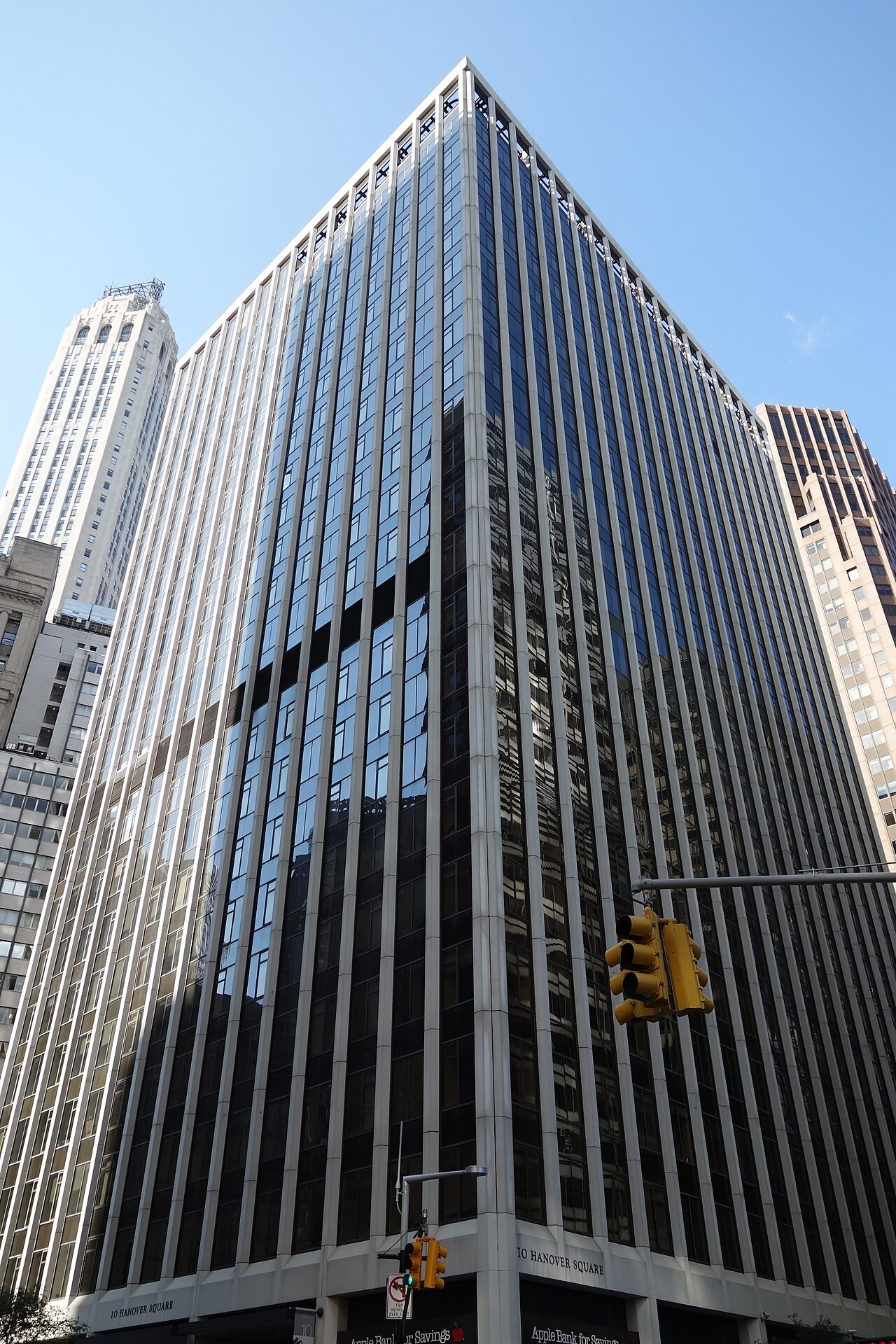
Tdorante10 · Image source · CC BY-SA 4.0 · Geographic context; not authentic crime evidence. The building or landscape is public geographic context; no event is assigned to it.

Money somebody actually received
Once the firm collapsed, the people trying to recover money had to find real things to sell and work out who could claim the proceeds. The government pursued property including homes, vehicles and art. Some assets went through bankruptcy, where money held by a trustee could still be waiting on decisions about competing claims. [2][3]
In March 2013, the SEC could point to $55 million already distributed to victims through the criminal proceeding, aided by the receiver’s work. That was a dated tally of payments. For years Dreier’s papers had told buyers what they could expect to receive. The receiver’s report had the harder job of counting what had made it back. [3]
Case brief
Manhattan, New York · 2004–2008
- Recorded outcome
- Marc Dreier pleaded guilty to eight counts in 2009 and was sentenced to 20 years. President Biden commuted his confinement to expire December 22, 2024. The warrant preserved supervised release and the other components of the sentence.
Key moments
People in this case
- Marc Dreier
Pleaded guilty in the false-notes scheme
Photo at source · Getty Images · editorial photo archive
Look closer · 9 visuals
Inside the evidence.
Open a visual to explore what it contributed to the case—and the limits of what it shows. Photographs, historical reproductions and original illustrations are individually labeled. Open the notes for each image’s source, credit, and limitations; setting photographs do not depict crime scenes.
A real firm, an invented obligation
Original editorial illustration — not an actual evidence photograph or exhibit.
Read the evidence notes
The fraud borrowed credibility from institutions and professional access.
The real organizations are not accused of issuing the false notes.
The paper and the impersonation
Original editorial illustration — not an actual evidence photograph or exhibit.
Read the evidence notes
Documents and impersonation worked together to make a nonexistent transaction seem real.
No forged signature, email or actual false note is recreated.
The trust account was a conduit
Original editorial illustration — not an actual evidence photograph or exhibit.
Read the evidence notes
Money moved through a professional account despite the underlying fiction.
A trust-account label does not authenticate an instrument.
Repayments do not prove a real note
Original editorial illustration — not an actual evidence photograph or exhibit.
Read the evidence notes
The DOJ distinguished gross receipts from net out-of-pocket losses.
An illustration of cash flow is not a complete forensic ledger.
Four amounts with four meanings
Original editorial illustration — not an actual evidence photograph or exhibit.
Read the evidence notes
Restitution and forfeiture used other exact amounts specified in the article.
Do not add these overlapping measures together.
Civil and criminal proceedings
Original editorial illustration — not an actual evidence photograph or exhibit.
Read the evidence notes
The SEC action and criminal prosecution had separate orders and remedies.
A 2013 status report does not certify current custody or recovery totals.
Lower Manhattan viewed from Liberty Island
Context photograph — not an actual crime exhibit. The building or landscape is public geographic context; no event is assigned to it.
Read the evidence notes
Lower Manhattan viewed from Liberty Island. Geographic context photograph; not a crime-scene photograph or an original evidence exhibit. The building or landscape is public geographic context; no event is assigned to it.
Geographic context; not authentic crime evidence. The building or landscape is public geographic context; no event is assigned to it. The source and reuse terms are linked below.
Percival Kestreltail · Image source · CC BY-SA 3.0
Daniel Patrick Moynihan United States Courthouse in Manhattan
Context photograph — not an actual crime exhibit. The building or landscape is public geographic context; no event is assigned to it.
Read the evidence notes
Daniel Patrick Moynihan United States Courthouse in Manhattan. Geographic context photograph; not a crime-scene photograph or an original evidence exhibit. The building or landscape is public geographic context; no event is assigned to it.
Geographic context; not authentic crime evidence. The building or landscape is public geographic context; no event is assigned to it. The source and reuse terms are linked below.
83136374@N05 · Image source · CC BY 4.0
Water Street and Hanover Square in Manhattan’s Financial District
Context photograph — not an actual crime exhibit. The building or landscape is public geographic context; no event is assigned to it.
Read the evidence notes
Water Street and Hanover Square in Manhattan’s Financial District. Geographic context photograph; not a crime-scene photograph or an original evidence exhibit. The building or landscape is public geographic context; no event is assigned to it.
Geographic context; not authentic crime evidence. The building or landscape is public geographic context; no event is assigned to it. The source and reuse terms are linked below.
Tdorante10 · Image source · CC BY-SA 4.0
★ Key evidence used in a conviction · ✓ Exclusion or reversal · ◇ Disputed evidence · ⊘ Excluded at retrial · ◆ Identity / investigative finding, not a conviction. A symbol does not mean one item proved the whole case.
Follow the locations
Put the story on the map.
Follow the dated entries, then select an event to find its regional setting. Shared-location pins open a group of events. Evidence symbols identify important findings and their limitations.
Open the map in its own window ↗Sources & further reading
- Marc Dreier pleads guilty — U.S. Attorney, Southern District of New YorkEight guilty pleas, fictional instruments, false documents, impersonation, unauthorized premises access, trust accounts and no plea agreement.
- Marc Dreier sentenced — U.S. Attorney, Southern District of New YorkTwenty-year sentence, three-year supervision term, receipts, losses, diverted client funds, exact restitution and forfeiture orders.
- SEC v. Dreier — plaintiff’s status reportCivil complaint, receivership, bankruptcy, consent judgment, historical recoveries and SEC decision to forgo additional monetary claims.
- December 12, 2024 group commutation warrant — Office of the Pardon AttorneyNames Dreier and sets December 22 as the end of confinement while retaining supervised release and the other components of the sentence.
Editorial review: 2026-11-12 · 480 words