The permits said the maple came from a private harvest. That was the story Justin Wilke gave a mill in Tumwater, Washington, when he brought in blocks of wood. The maple was valuable for making musical instruments. The forms were forged, prosecutors said. Some of the stumps were still in the forest. [1] [2] [4]
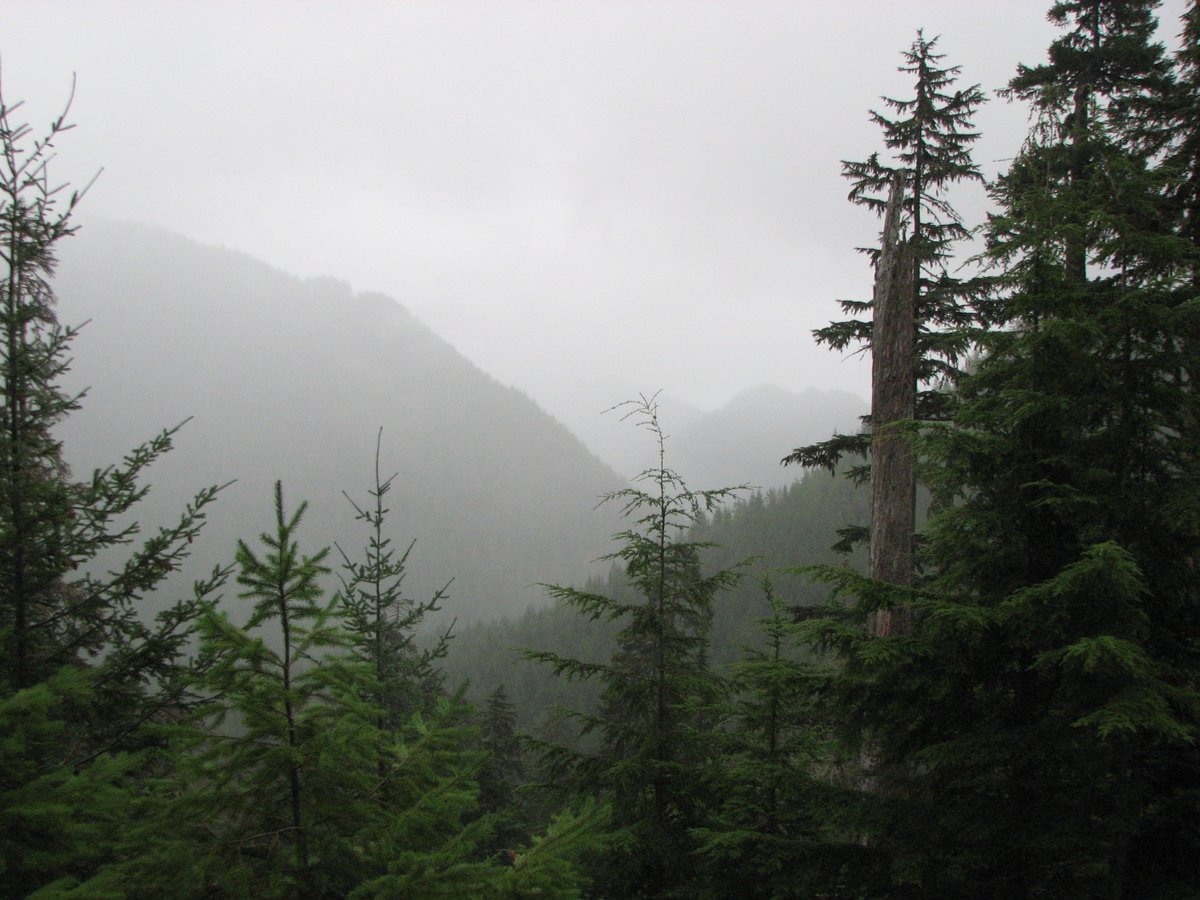
US Forest Service · Image source · Public domain · Geographic context; not authentic crime evidence. The building or landscape is public geographic context; no event is assigned to it.


The fire near Elk Lake
The government traced the logging operation to the Olympic National Forest near Hood Canal. Between April and August 2018, Wilke and associates cut maple there and transported wood to the mill. Investigators wanted to connect the blocks to individual trees on public land. [1] [2] [3]
On August 3, the crew encountered a nest at the base of a tree they meant to cut. The government said their attempt to deal with it started the Maple Fire. More than 3,300 acres burned, and the government reported spending about $4.2 million to contain it. Witnesses placed Wilke nearby in the dark. What they could see of his actions would matter separately from what investigators could learn about the wood. [1] [2] [3]
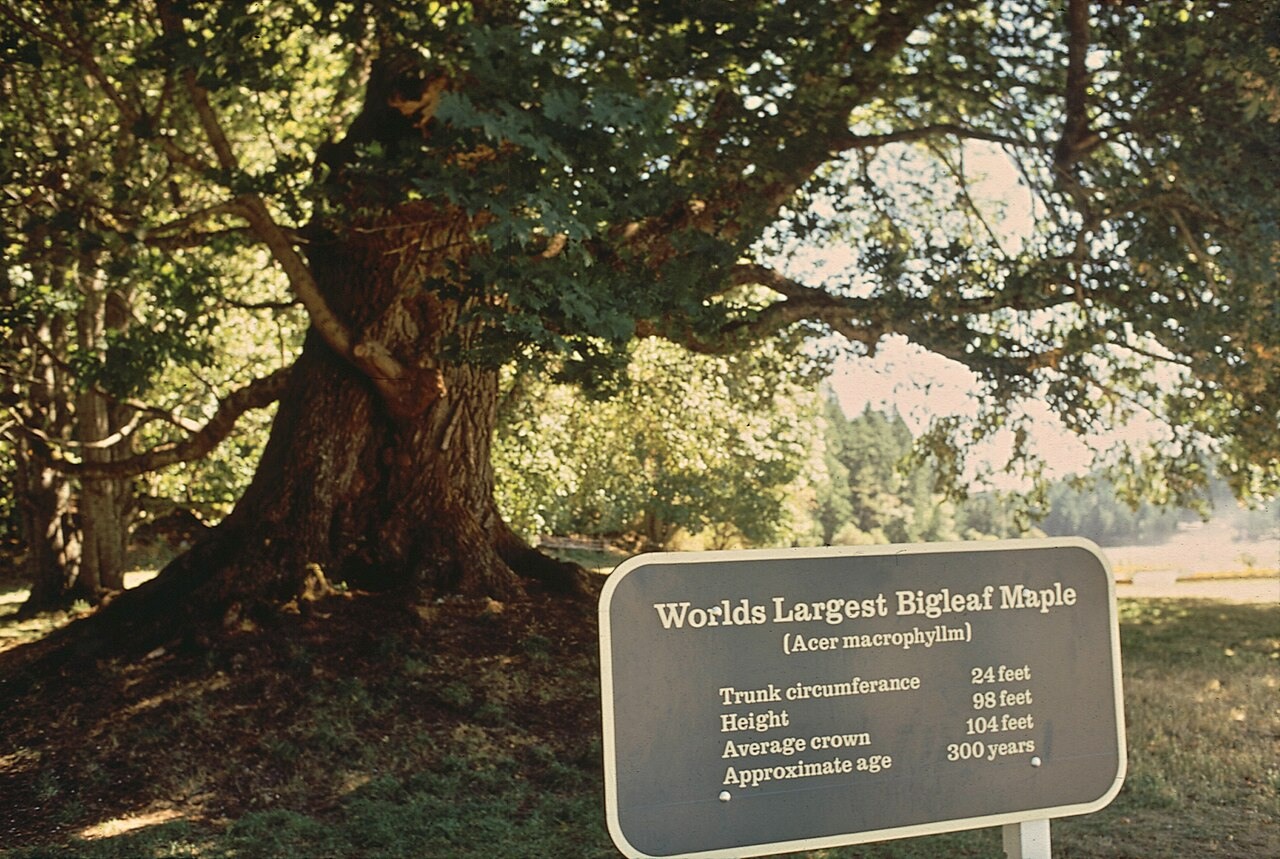
Gene Daniels · Image source · Public domain · Geographic context; not authentic crime evidence. This is a different bigleaf maple, shown to illustrate the species.


Three trees the geneticist could find again
Forest Service geneticist Richard Cronn compared genetic markers from the wood sold to the mill with samples from cut trees. A species identification would have told investigators they were looking at bigleaf maple, which grows on private land too. The markers could go further. The wood matched the remains of three individual trees investigators had located near Elk Lake. Prosecutors also described evidence of seven additional trees whose exact locations were unknown. [1] [2] [4]
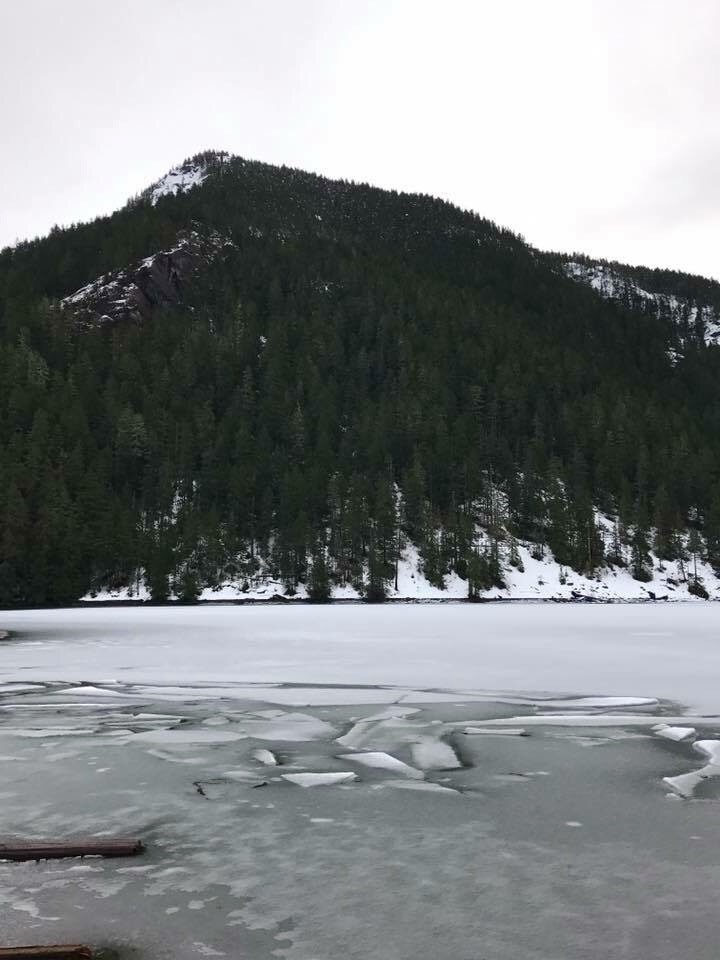
U.S. Forest Service- Pacific Northwest Region · Image source · Public domain · Geographic context; not authentic crime evidence. The building or landscape is public geographic context; no event is assigned to it.


The verdict and the sentence
Shawn Williams pleaded guilty to theft of public property and setting timber afire. He was sentenced to thirty months. Wilke went to trial. In July 2021 a federal jury convicted him on six logging-related counts and acquitted him on both fire counts. At sentencing, the judge found it more likely than not that Wilke had set the fire or directed someone else to do so. The court imposed twenty months for the counts of conviction. [1] [2] [5] [6]
Wilke’s lawyer had acknowledged guilt on the logging counts in his opening statement. When Wilke sought a lower sentence for accepting responsibility, the judge focused on the timing of his acknowledgment and whether it had saved the government the work of preparing for trial. In September 2022 the Ninth Circuit held that saving government resources belonged to a separate part of the sentencing analysis. It vacated the sentence and sent the case back for resentencing under the correct standard. The ruling addressed the sentence, and a new sentencing judgment could not be verified in the records reviewed here. [6]
Case brief
Olympic National Forest and Tumwater, Washington · 2018
- Recorded outcome
- Justin Wilke was convicted of timber offenses and acquitted on two fire counts. The Ninth Circuit vacated his initial sentence and remanded in 2022. Shawn Williams pleaded guilty and was sentenced separately.
Key moments
Case photographs
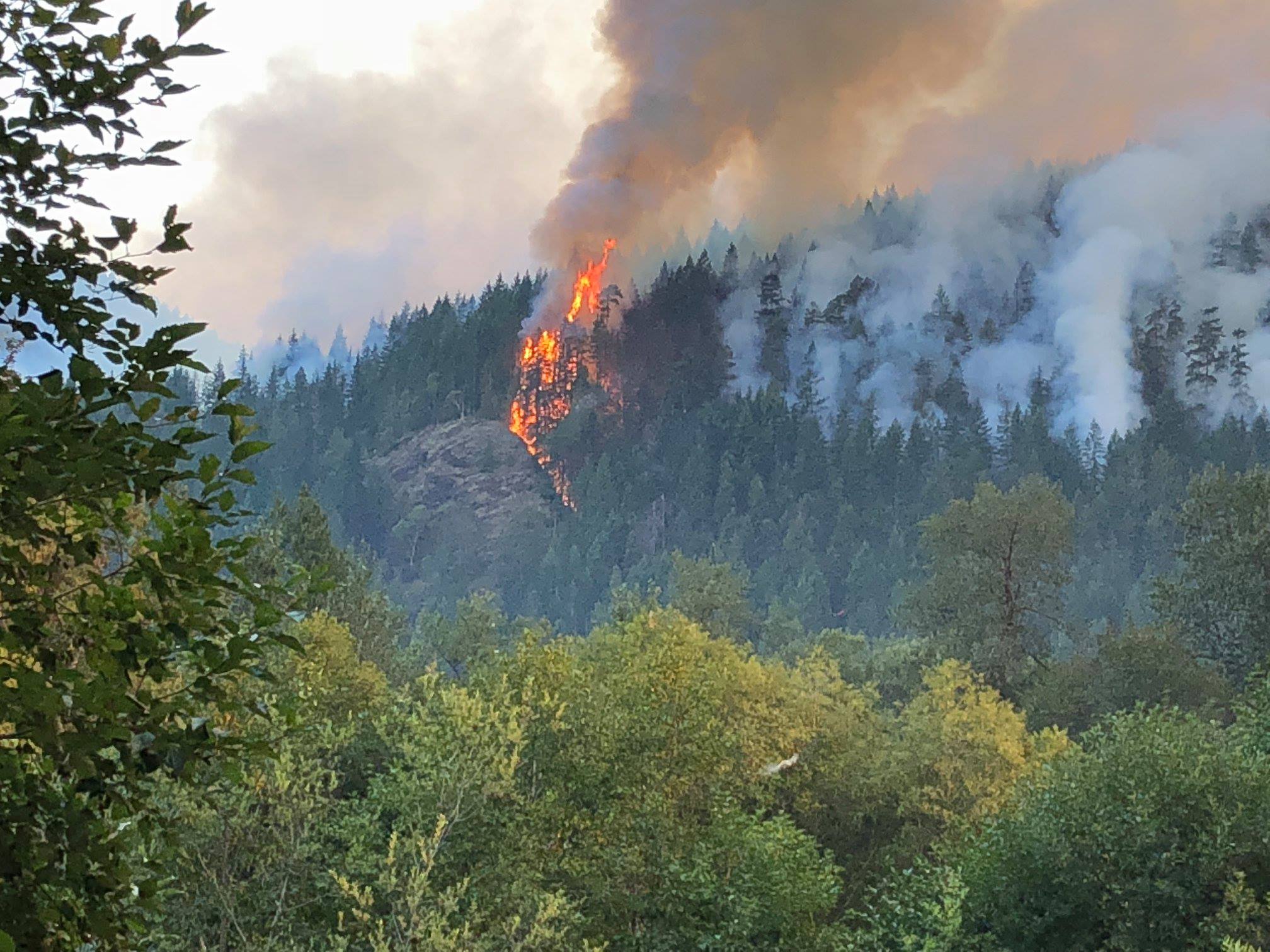
The 2018 Maple Fire The fire in Olympic National Forest that figured in the timber-theft prosecution.
Incident photograph · USDA Forest Service, Pacific Northwest Region · U.S. public domain- Timber examined in the Maple Fire prosecution
Photographs and diagrams of the wood DNA investigation
Photo at source · U.S. Forest Service · research account
Look closer · 9 visuals
Inside the evidence.
Open a visual to explore what it contributed to the case—and the limits of what it shows. Photographs, historical reproductions and original illustrations are individually labeled. Open the notes for each image’s source, credit, and limitations; setting photographs do not depict crime scenes.
A claim the mill could check
Original editorial illustration — not an actual evidence photograph or exhibit.
Read the evidence notes
The paperwork represented a lawful harvest.
The paper alone does not establish where the wood grew.
From stump to sale
Original editorial illustration — not an actual evidence photograph or exhibit.
Read the evidence notes
Genetic comparisons supported matches to three located trees.
The comparison does not identify who operated a saw.
What the probability measures
Original editorial illustration — not an actual evidence photograph or exhibit.
Read the evidence notes
The reported probability concerned coincidental genetic matching.
It is not a probability of guilt.
Witnesses near the fire
Original editorial illustration — not an actual evidence photograph or exhibit.
Read the evidence notes
Witnesses described presence without seeing exact actions.
The jury did not convict on the two fire counts.
Two levels of legal findings
Original editorial illustration — not an actual evidence photograph or exhibit.
Read the evidence notes
The judge made findings for sentencing after the jury’s verdict.
The findings did not add a fire conviction.
Costs and restitution
Original editorial illustration — not an actual evidence photograph or exhibit.
Read the evidence notes
The figures and proceedings describe different obligations.
The reviewed Wilke release does not establish his final restitution.
Olympic National Forest in September 2017
Context photograph — not an actual crime exhibit. The building or landscape is public geographic context; no event is assigned to it.
Read the evidence notes
Olympic National Forest in September 2017. Geographic context photograph; not a crime-scene photograph or an original evidence exhibit. The building or landscape is public geographic context; no event is assigned to it.
Geographic context; not authentic crime evidence. The building or landscape is public geographic context; no event is assigned to it. The source and reuse terms are linked below.
US Forest Service · Image source · Public domain
A bigleaf maple on Washington’s San Juan Island
Context photograph — not an actual crime exhibit. This is a different bigleaf maple, shown to illustrate the species.
Read the evidence notes
A bigleaf maple on Washington’s San Juan Island. Geographic context photograph; not a crime-scene photograph or an original evidence exhibit. This is a different bigleaf maple, shown to illustrate the species.
Geographic context; not authentic crime evidence. This is a different bigleaf maple, shown to illustrate the species. The source and reuse terms are linked below.
Gene Daniels · Image source · Public domain
Winter ice at Lena Lake in Olympic National Forest
Context photograph — not an actual crime exhibit. The building or landscape is public geographic context; no event is assigned to it.
Read the evidence notes
Winter ice at Lena Lake in Olympic National Forest. Geographic context photograph; not a crime-scene photograph or an original evidence exhibit. The building or landscape is public geographic context; no event is assigned to it.
Geographic context; not authentic crime evidence. The building or landscape is public geographic context; no event is assigned to it. The source and reuse terms are linked below.
U.S. Forest Service- Pacific Northwest Region · Image source · Public domain
★ Key evidence used in a conviction · ✓ Exclusion or reversal · ◇ Disputed evidence · ⊘ Excluded at retrial · ◆ Identity / investigative finding, not a conviction. A symbol does not mean one item proved the whole case.
Follow the locations
Put the story on the map.
Follow the dated entries, then select an event to find its regional setting. Shared-location pins open a group of events. Evidence symbols identify important findings and their limitations.
Open the map in its own window ↗Sources & further reading
- Justice Department · Verdict after timber trialJuly 8 verdict, genetic comparisons, fire testimony and Williams plea.
- Justice Department · Wilke sentencingNovember 8 sentencing, findings and pending restitution amount.
- Federal indictment · United States v. Wilke and WilliamsCharging allegations about scouting, removal, transport and the fire.
- U.S. Forest Service · Decoding the fingerprints of trees through their DNADevelopment and purpose of genetic identification for bigleaf maple.
- Justice Department · Environmental Crimes Section bulletinSeparate Williams sentence and restitution; verify exact Wilke dates against releases.
- United States v. Wilke · Ninth Circuit resentencing decisionVacates Wilke’s sentence and remands for resentencing under the correct acceptance-of-responsibility standard.
Editorial review: 2026-11-12 · 440 words