Jennifer Norman saw Loomis Fargo’s reward offer on television and called the number. In her later lawsuit, she said she told the operator about a property purchase, money orders and a bag of cash she’d seen at the law office where she worked. She thought the money came from the theft of more than $17 million from the company’s Charlotte vault. According to her complaint, the operator told her investigators were looking for someone else. [1] [3]
Norman would go on to help investigators and testify in a money-laundering prosecution. Whether the company owed her the $500,000 it had offered became a case of its own. [3]

Daritto7117 · Image source · Public domain · Commons-provided image; no content edits.


A camera Ghantt overlooked
David Ghantt supervised the vault at Loomis Fargo. In October 1997, he loaded a company van with cash and drove to a warehouse where associates were waiting. The federal sentencing opinion gives the amount as $17,044,200. The Levine Museum of the New South dates the theft to October 4. The later opinion in Norman’s lawsuit uses October 5. [1] [3] [4]
Ghantt took recording tapes, according to the museum, but missed another camera. Investigators could see him loading the cash. They found the van with roughly $3 million still inside. The rest of the investigation went through the people who stored, deposited or spent the money after it left the vault. [1] [2] [4]
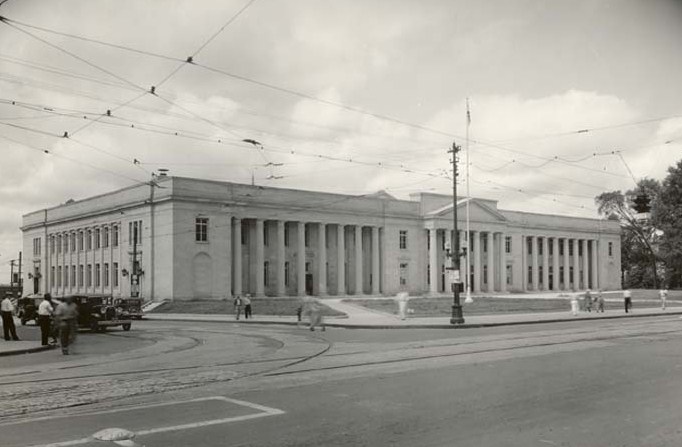
U.S. federal government (individual photographer not identified) · Image source · Public domain · Commons-provided image; no content edits.


The money left in North Carolina
Ghantt had agreed to divide the proceeds with Steve and Michele Chambers and Kelly Campbell after others were paid. He fled to Mexico and received no more than $30,000 before his arrest, the sentencing court accepted. Other participants controlled his access to the rest. The FBI says Steve Chambers later plotted to have him killed. Mexican authorities arrested Ghantt in March 1998. [1] [2]
Ghantt pleaded guilty to bank larceny and two money-laundering counts. The court imposed 90 months. In calculating the sentence, it considered his agreed share, about $4 million, alongside the amount that had reached him. In 2000, the Fourth Circuit affirmed. The FBI reported recovering more than $13 million in cash and another million in assets during the investigation. [1] [2]
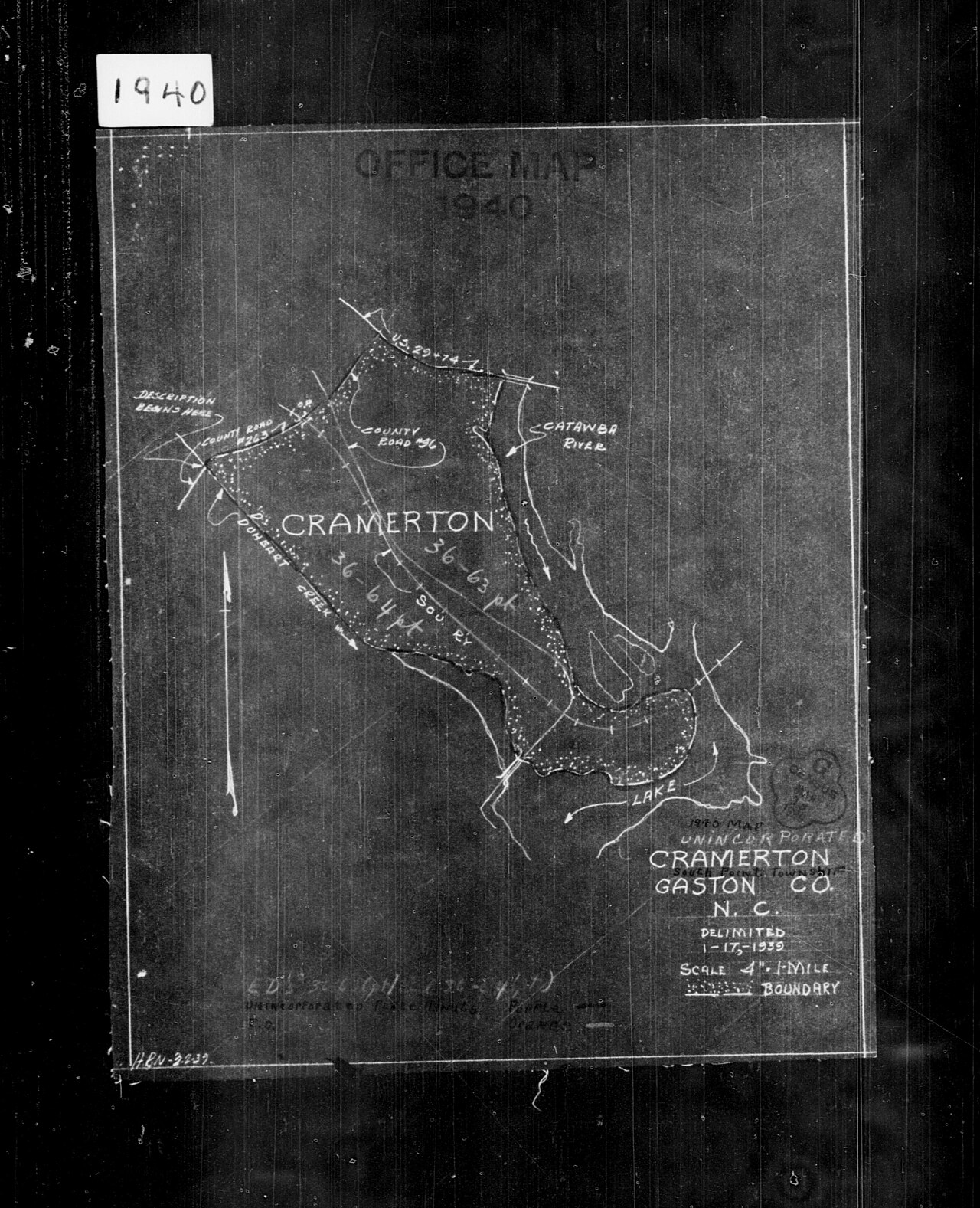
U.S. Census Bureau / National Archives (individual creator not recorded) · Image source · Public domain · Commons-provided image; no content edits.


The reward went to court
Norman alleged that she’d opened a file for Steve Chambers’s home purchase within days of the theft and later saw a black bag filled with cash in the office. The court considered those assertions at the pleadings stage. Its opinion also recounts her cooperation with law enforcement and testimony against her former employer. Loomis disputed whether her first call reached investigators and whether her help met the reward’s conditions. [3]
A federal judge let Norman’s contract claim proceed in November 2000 and dismissed a separate claim about unfair trade practices. The ruling gave her a chance to prove that the help she’d provided earned the reward. The published opinion ends before any award. For Norman, the question remained what the company’s promise meant once somebody picked up the phone. [3]
Case brief
Charlotte / Cramer Mountain, North Carolina · 1997–1998
- Recorded outcome
- Ghantt pleaded guilty and received ninety months; sentence affirmed in March 2000. Norman’s reward contract claim survived a November 2000 motion; no final reward award verified.
Key moments
People in this case
- David Ghantt
Pleaded guilty in the Loomis Fargo robbery
Photo at source · The Charlotte Observer · archival coverage
Look closer · 9 visuals
Inside the evidence.
Open a visual to explore what it contributed to the case—and the limits of what it shows. Photographs, historical reproductions and original illustrations are individually labeled. Open the notes for each image’s source, credit, and limitations; setting photographs do not depict crime scenes.
Cash moves beyond the vault
Original editorial illustration — not an actual evidence photograph or exhibit.
Read the evidence notes
The sentencing record connects the loading and handoff to later dispersal of the proceeds.
This is a conceptual sequence, not a reconstructed driving route.
A recording survived
Original editorial illustration — not an actual evidence photograph or exhibit.
Read the evidence notes
The FBI confirms surveillance footage of Ghantt loading the money; the museum describes an overlooked camera.
A generic recording icon, not an authentic surveillance still.
Three amounts, three meanings
Original editorial illustration — not an actual evidence photograph or exhibit.
Read the evidence notes
These figures come from Ghantt’s sentencing appeal and distinguish total theft, cash received, and the share attributed to him.
Other historical accounts round the total differently. The expected share was not cash found in his possession.
What the legal secretary noticed
Original editorial illustration — not an actual evidence photograph or exhibit.
Read the evidence notes
Norman’s complaint described transactions she believed involved stolen money. Her later cooperation and testimony are documented in the ruling.
The detailed initial observations were allegations evaluated at the pleadings stage.
Two kinds of promises
Original editorial illustration — not an actual evidence photograph or exhibit.
Read the evidence notes
Ghantt depended on associates for funds; the FBI later described Chambers’s plot to kill him.
The graphic combines the court’s payment account with the FBI’s plot account; it does not invent a recorded conversation.
A reward claim is not an award
Original editorial illustration — not an actual evidence photograph or exhibit.
Read the evidence notes
The November 2000 ruling allowed Norman’s contract claim to proceed.
It dismissed the separate unfair-trade-practices claim and did not establish final payment of the reward.
Charlotte skyline in 2008
Geographic context photograph — not a crime-scene image.
Read the evidence notes
Charlotte skyline in 2008. City context, photographed years after the 1997 theft; not the Loomis Fargo vault.
Commons-provided image; no content edits. The source and reuse license are linked below.
Daritto7117 · Image source · Public domain
Charles R
Geographic context photograph — not a crime-scene image.
Read the evidence notes
Charles R. Jonas Federal Building in Charlotte. Federal courthouse context; no particular hearing room or proceeding is identified by this photograph.
Commons-provided image; no content edits. The source and reuse license are linked below.
U.S. federal government (individual photographer not identified) · Image source · Public domain
1940 Census enumeration map of Cramerton, held by the National Archives
Archival geographic map — not a crime-scene plan.
Read the evidence notes
1940 Census enumeration map of Cramerton, held by the National Archives. Archival geographic context, decades before the heist; not a robbery plan or a map of the Chambers property.
Commons-provided image; no content edits. The source and reuse license are linked below.
U.S. Census Bureau / National Archives (individual creator not recorded) · Image source · Public domain
★ Key evidence used in a conviction · ✓ Exclusion or reversal · ◇ Disputed evidence · ⊘ Excluded at retrial · ◆ Identity / investigative finding, not a conviction. A symbol does not mean one item proved the whole case.
Follow the locations
Put the story on the map.
Follow the dated entries, then select an event to find its regional setting. Shared-location pins open a group of events. Evidence symbols identify important findings and their limitations.
Open the map in its own window ↗Sources & further reading
- United States v. Ghantt, No. 99-4383 — Fourth CircuitTheft amount in sentencing record, division agreement, payments, Mexico arrest, plea, sentence and enhancement appeal.
- Charlotte field-office history — FBICHARLOOT, surviving footage, abandoned cash, murder plot, cross-border cooperation, pleas and recoveries.
- Norman v. Loomis Fargo, 123 F. Supp. 2d 985Reward offer, plaintiff’s allegations, undisputed cooperation, company defenses and limited procedural ruling.
- Loomis Fargo and Company — Levine Museum of the New SouthOctober 4 theft chronology, overlooked camera and Playa del Carmen arrest location.
Editorial review: 2026-11-12 · 485 words