L. A. Hughes found the man who had buried John A. Treadway. He’d put up a stone with the date of death on it, November 21, 1861. That gave Hughes something he could use. Witnesses supporting a vast claim to land in Arizona and New Mexico had placed Treadway on a journey with an infant in 1862. According to government investigator William Tipton, the date on the stone put Treadway in the ground months before that journey was supposed to have happened. [1]
The infant was important to James Addison Reavis’s case. He said she had grown up to be his wife, Sofia, and had inherited a Spanish land grant. If the story held, people living and doing business across a large part of two territories might find somebody else claiming their land. [1] [3]
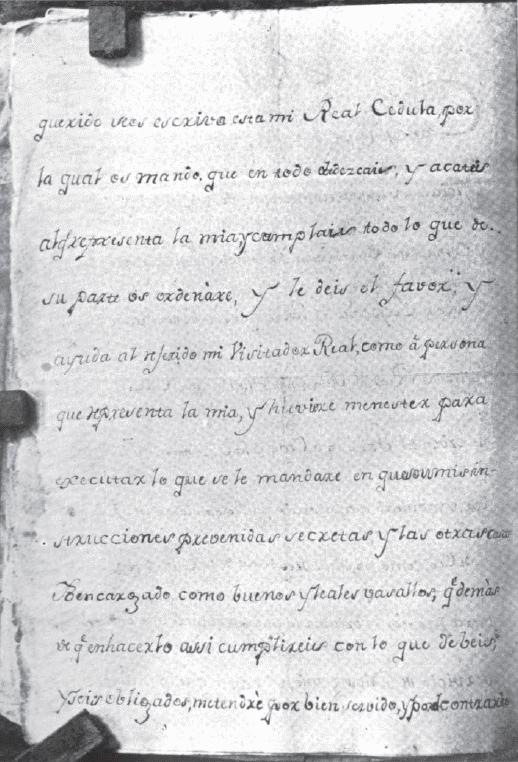
Unknown - Known forgery most likely produced by James Addison Reavis · Image source · Public domain in the United States (published 1898) · Historical reproduction supplied by Wikimedia Commons; no further content edits. Public-domain assessment is for the United States.


A claim that could affect a deed
The United States had agreed after the Mexican-American War to recognize valid land grants in the territories it acquired. Congress created the Court of Private Land Claims in 1891 to decide remaining claims. Reavis had already presented his asserted grant to territorial officials in 1883, at first claiming ownership by purchase. Tipton reported that people paid for releases or rights of way in the territory Reavis claimed. A land claim could cost somebody money well before a court ruled on it. [1] [2]
Arizona surveyor general Royal A. Johnson issued an adverse report in 1889. He questioned the papers and the way the claimed boundary had been set. Reavis pursued another basis for title through Sofia’s supposed inheritance, eventually seeking recognition in the Court of Private Land Claims. The new account needed records and witnesses who could connect her to the family named in the grant. [1] [4]
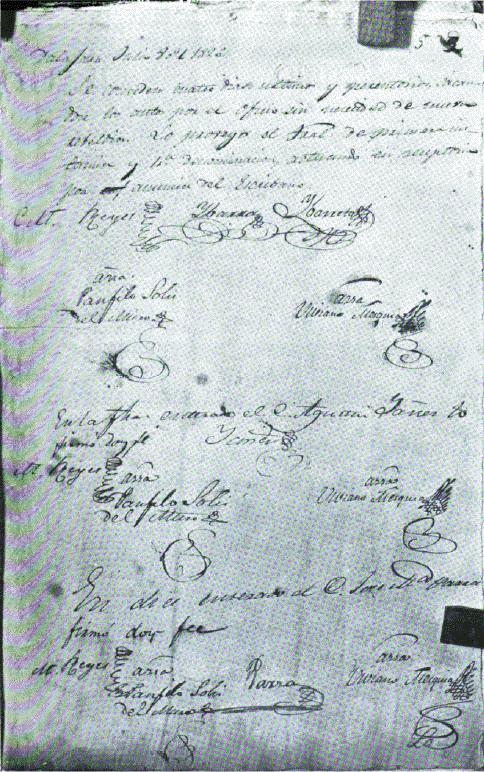
Unknown - Known forgery with several potential creators · Image source · Public domain in the United States (published 1898) · Historical reproduction supplied by Wikimedia Commons; no further content edits. Public-domain assessment is for the United States.


A replacement leaf in an old book
Tipton described investigators looking at the original volumes behind the certified copies Reavis had submitted. In one volume at Guadalajara, he said, a false leaf had been substituted for a genuine one. The next leaf was largely genuine, but someone had changed parts of the writing. The age of the volume made the pages look as though they belonged together. Examining the writing underneath the alterations changed what the document appeared to say. [1]
Hughes checked the California end of the family account. He looked at church records and spoke to people named as godparents. Some denied knowing anything about the baptism they were supposed to have witnessed. Then there was Treadway. He was a real man, and someone who remembered burying him could show when he died. [1]
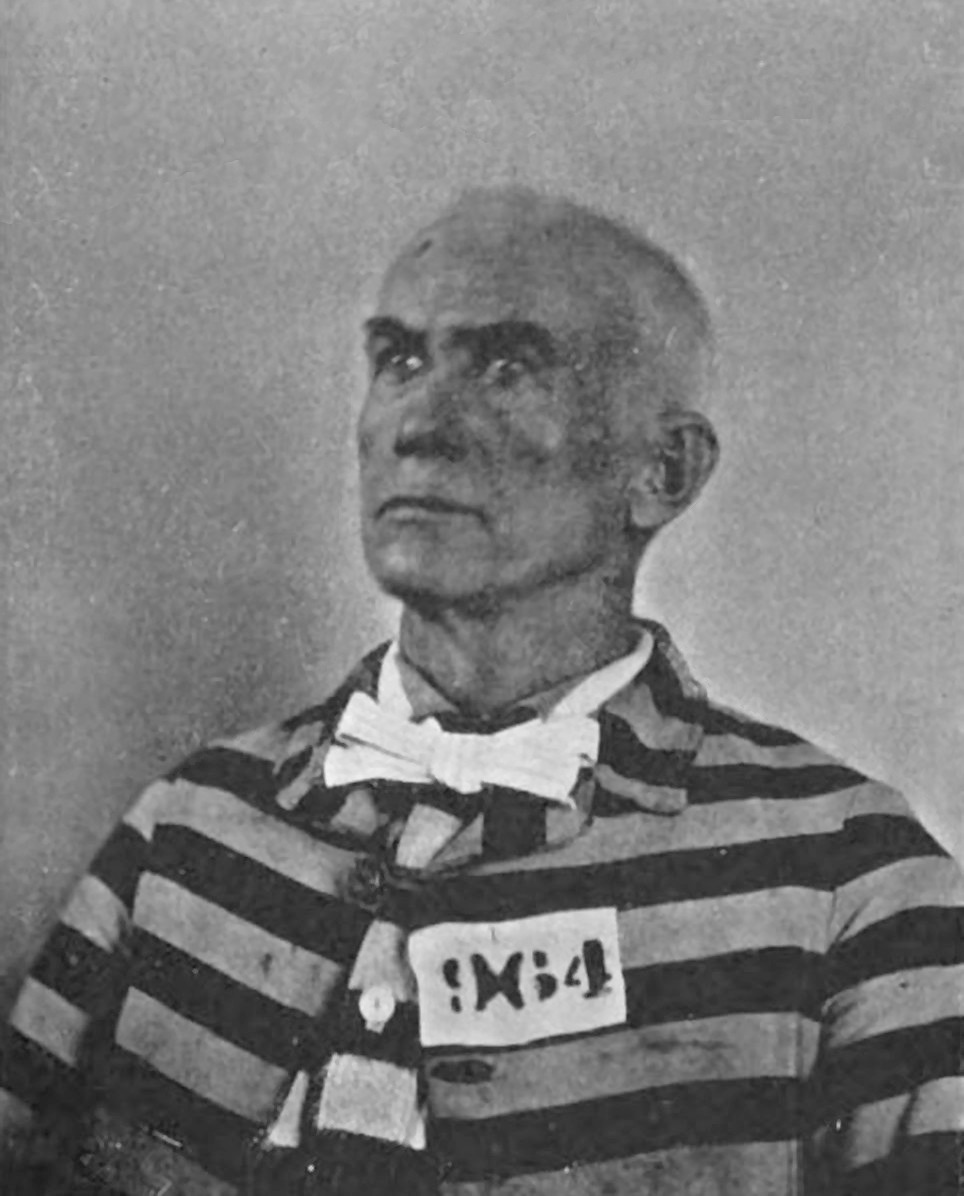
Land of Sunshine Publishing Co. · Image source · Public domain in the United States (published 1898) · Historical reproduction supplied by Wikimedia Commons; no further content edits. Public-domain assessment is for the United States.


The claims end in different courts
The Court of Private Land Claims rejected the title claim in 1895. Federal prosecutors then pursued a criminal case, and Reavis was convicted in 1896, according to the U.S. Attorney’s historical account. The civil case decided the claim to the land. The criminal case dealt with what Reavis had done to obtain it. [1] [3] [5]
Reavis had gathered documents in more than one country. The piece Hughes needed came from a man who had put up a grave marker and remembered why. The date had been there all along. [1]
Case brief
Tucson and central Arizona · 1883–1895
- Recorded outcome
- Land claim rejected; Reavis later criminally convicted and imprisoned. The story uses the contemporary 1898 investigator’s account and official archival sources.
Key moments
People and case photographs
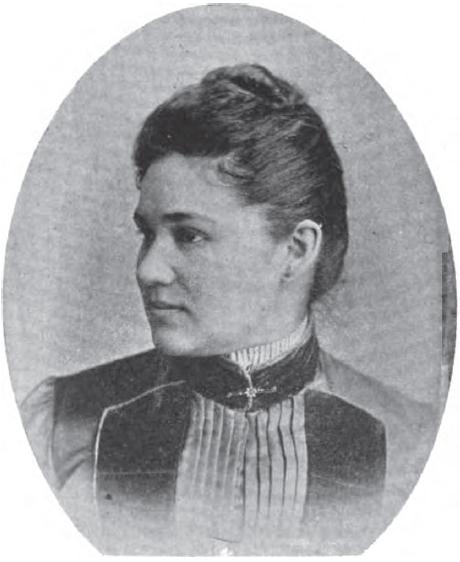
Sofia Peralta-Reavis Reavis’s wife, whom he claimed was the surviving heir to the purported land grant. Will M. Tipton’s 1898 account reproduced this portrait.
Archival portrait · Unknown photographer · The Land of Sunshine, 1898, p. 110 · U.S. public domain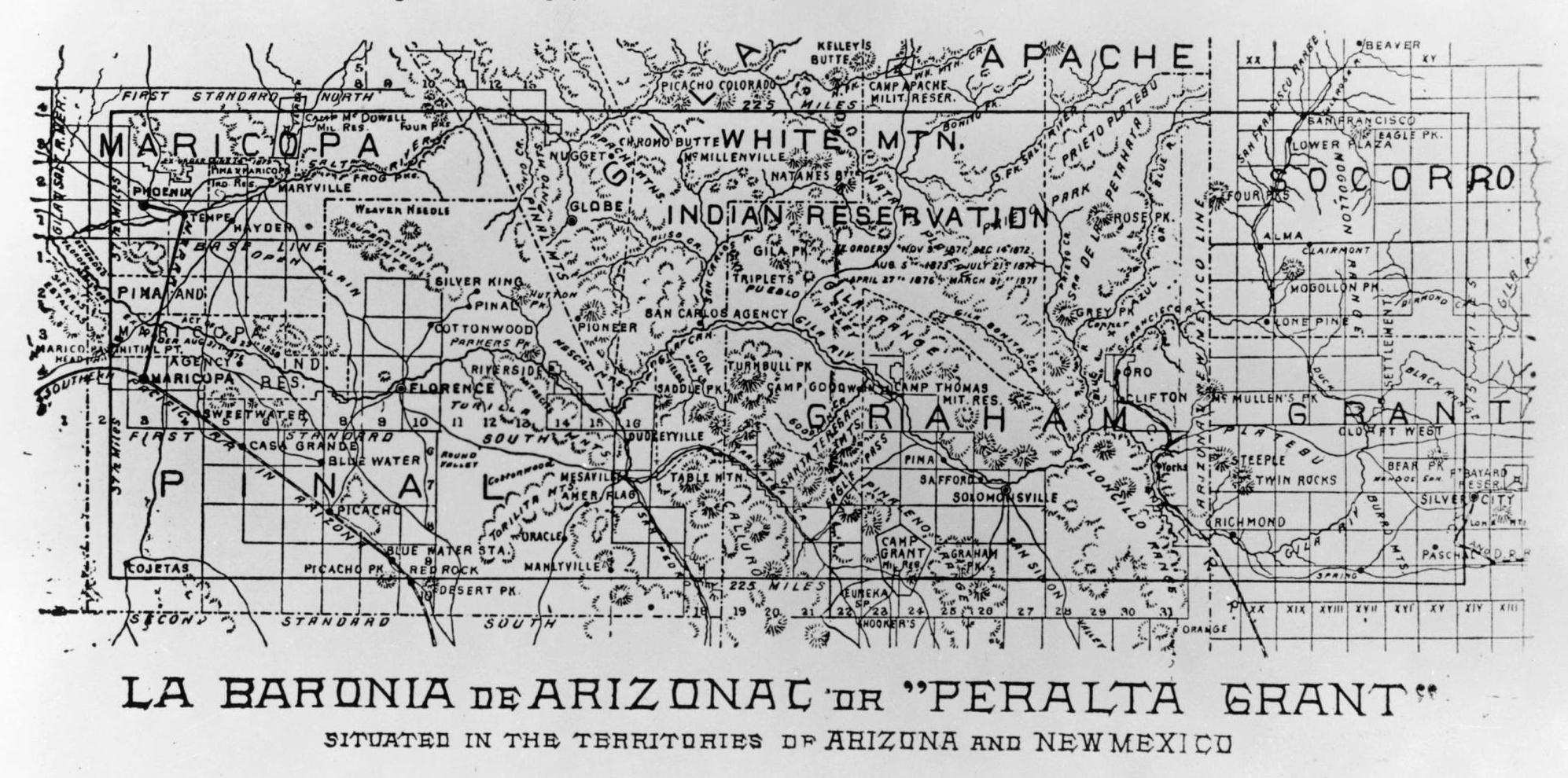
The claimed Peralta grant This map, published with Will M. Tipton’s 1898 account, shows the territory the fraudulent claim covered in Arizona and New Mexico.
Archival map reproduction · Unknown mapmaker · The Land of Sunshine, 1898, p. 108 · Arizona State Archives · U.S. public domain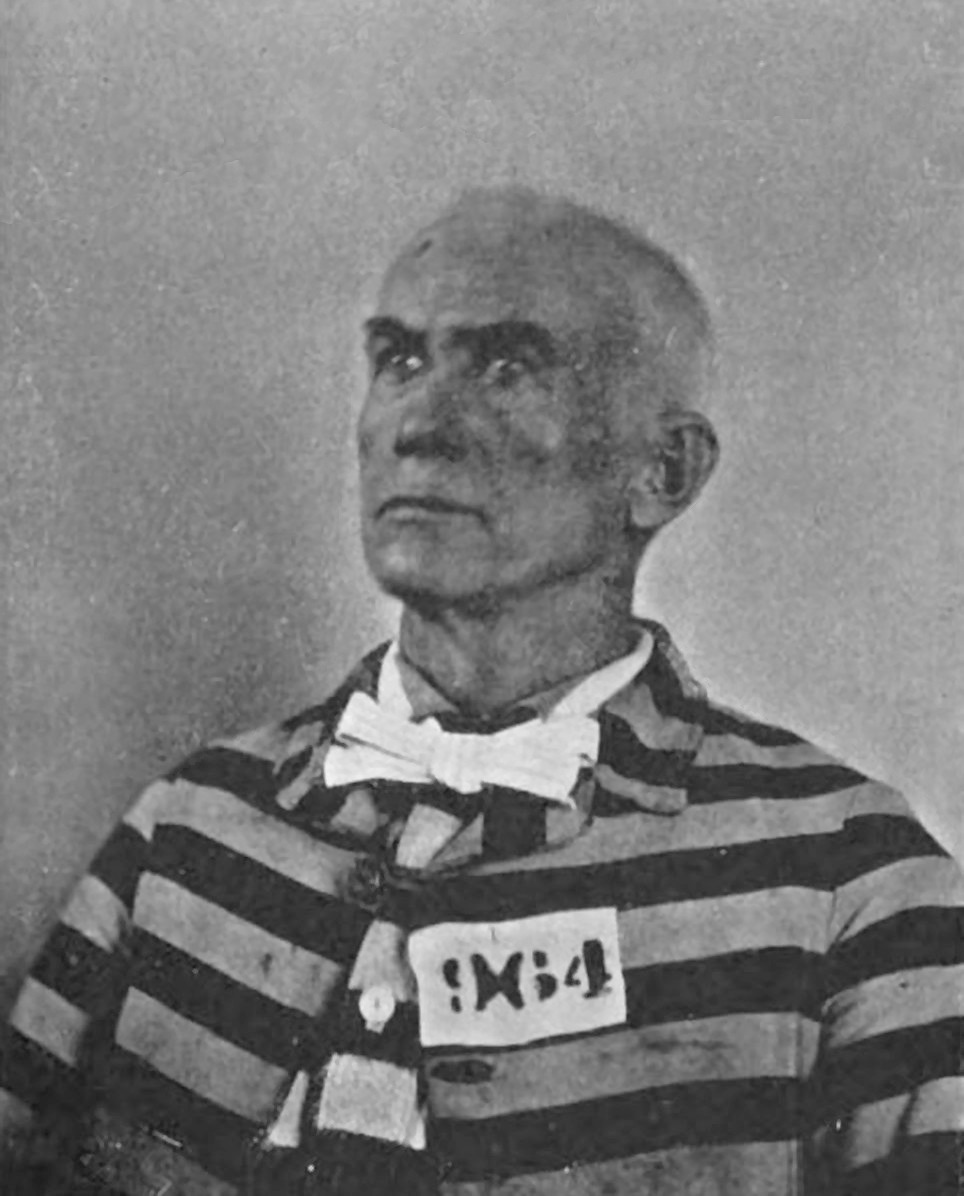
James Addison Reavis Convicted in the Peralta land fraud case
Archival portrait · Land of Sunshine Publishing Co. via Wikimedia Commons · U.S. public domain, published 1898
Look closer · 9 visuals
Inside the evidence.
Open a visual to explore what it contributed to the case—and the limits of what it shows. Photographs, historical reproductions and original illustrations are individually labeled. Open the notes for each image’s source, credit, and limitations; setting photographs do not depict crime scenes.
The title had two routes
Original editorial illustration — not an actual evidence photograph or exhibit.
Read the evidence notes
Reavis shifted from purported conveyances to Sofia’s alleged ancestry as a route to ownership.
Both were asserted bases of a fraudulent claim, not recognized title.
A certified copy can preserve a fraud
Original editorial illustration — not an actual evidence photograph or exhibit.
Read the evidence notes
Investigators had to test the underlying record rather than accept the existence of a certified copy as proof of authenticity.
This explains the scheme; it is not a facsimile of an official certification.
Words from the wrong century
Original editorial illustration — not an actual evidence photograph or exhibit.
Read the evidence notes
Tipton described institutional and legal terms inconsistent with the dates the papers claimed.
Historical findings are attributed to the contemporary investigator’s account.
What lay beneath the altered words
Original editorial illustration — not an actual evidence photograph or exhibit.
Read the evidence notes
Tipton reported three alterations that repurposed a real appointment document to support the fabricated baron.
English explanatory labels, not the original handwriting or a new forensic analysis.
The book that changed its length
Original editorial illustration — not an actual evidence photograph or exhibit.
Read the evidence notes
A certificate from a genuine longer document was altered to appear to authenticate the fabricated genealogy.
Counts follow Tipton’s account; the diagram does not reproduce the full volume.
A witness chronology breaks
Original editorial illustration — not an actual evidence photograph or exhibit.
Read the evidence notes
Tipton reported Hughes finding evidence that Treadway died before a journey described by the claim’s witnesses.
The date conflict attacks the genealogy; it is not proof of Sofia’s personal knowledge of each forged record.
Forged royal-decree page reproduced in Tipton’s 1898 account
Historical reproduction of a fraud document — not a valid grant or a modern reconstruction.
Read the evidence notes
Historical reproduction of a forged page inserted into a royal decree, published with Will M. Tipton’s 1898 account. This is an actual reproduced fraud document, not a valid Spanish grant or modern reconstruction.
Historical reproduction supplied by Wikimedia Commons; no further content edits. Public-domain assessment is for the United States. The source and reuse terms are linked below.
Source 1 ↗ · Unknown - Known forgery most likely produced by James Addison Reavis · Image source · Public domain in the United States (published 1898)
Historical reproduction of a genuine page altered for the false Peralta claim
Historical reproduction of a fraud document — not a valid grant or a modern reconstruction.
Read the evidence notes
Historical reproduction of a genuine page altered for the false Peralta claim. Tipton’s caption identifies the added page number and catchword. The reproduction is historical; the land claim it supported was fraudulent.
Historical reproduction supplied by Wikimedia Commons; no further content edits. Public-domain assessment is for the United States. The source and reuse terms are linked below.
Source 1 ↗ · Unknown - Known forgery with several potential creators · Image source · Public domain in the United States (published 1898)
James Addison Reavis in prison clothing at Santa Fe, reproduced in Land of Sunshine in 1898
Historical portrait — published in 1898; not a modern reconstruction.
Read the evidence notes
James Addison Reavis in prison clothing at Santa Fe, reproduced in Land of Sunshine in 1898. Authentic historical portrait; the exact date of photography is not independently established here.
Historical reproduction supplied by Wikimedia Commons; no further content edits. Public-domain assessment is for the United States. The source and reuse terms are linked below.
Source 1 ↗ · Land of Sunshine Publishing Co. · Image source · Public domain in the United States (published 1898)
★ Key evidence used in a conviction · ✓ Exclusion or reversal · ◇ Disputed evidence · ⊘ Excluded at retrial · ◆ Identity / investigative finding, not a conviction. A symbol does not mean one item proved the whole case.
Follow the locations
Put the story on the map.
Follow the dated entries, then select an event to find its regional setting. Shared-location pins open a group of events. Evidence symbols identify important findings and their limitations.
Open the map in its own window ↗Sources & further reading
- Will M. Tipton, The Prince of Impostors — Land of Sunshine, volume 8Contemporary investigator account, pp. 107–116 and 161–170: claim history, payments, altered documents, witness inquiries and outcomes. Public-domain publication; partisan voice and racist language are not adopted.
- Court of Private Land Claims, 1891–1904 — Federal Judicial CenterTreaty and land-grant context, creation, remit and lifespan of the court.
- Peralta Land Grant Case Exhibits — Arizona Historical Society, MS 1071Preserved certified photostats and identification of the fraudulent claim; brief archival corroboration.
- Royal A. Johnson, Adverse Report upon the Alleged Peralta GrantOfficial adverse report: document provenance, legal requirements and shifting initial monument. Contemporary report, not a criminal judgment.
- U.S. Department of Justice: Bicentennial history of the District of ArizonaRecords the U.S. Attorney’s prosecution of Reavis and his 1896 conviction.
Editorial review: 2026-11-12 · 519 words