At 9:51 p.m., Eila Rab got a call from a coworker who said she’d left her wallet at the store. Brittany Norwood asked for Jayna Murray’s number. Rab texted it to her, and Jayna agreed to go back and let Norwood in. They’d both worked the closing shift at Lululemon in Bethesda, Maryland, on March 11, 2011. [1]
Jayna was a George Washington University graduate who’d studied international marketing and business and gone on to graduate studies. That Friday, a coworker needed help getting into a shop they’d just closed. Jayna turned back. [1] [2]
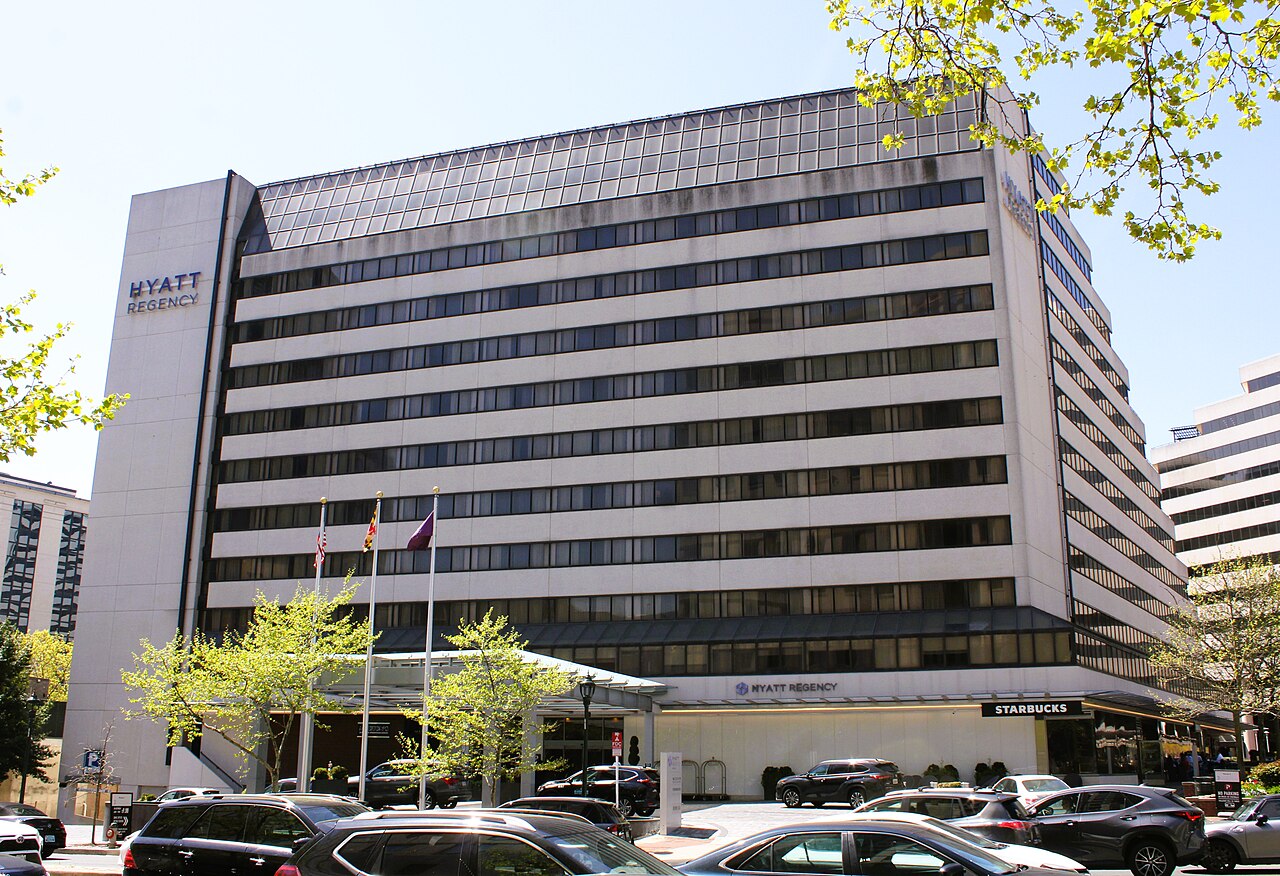
Farragutful · Image source · CC BY-SA 4.0 · Commons-provided image; no content edits.

The people next door heard something
Employees at the Apple store next door heard a disturbance shortly after ten. They could describe sounds and voices through the wall. They couldn’t see what was happening. Medical testimony later established a sustained attack with multiple implements. At trial, the prosecution argued that the time it took to gather them and continue the assault showed deliberation. [1]
The next morning, Rachel Oertli called 911 after arriving at the store. She went back inside with Ryan Haugh. They found Jayna dead and Norwood alive and bound. Norwood told a detective that two masked men had attacked them. Bloody footprints seemed to give investigators something to look for. The shoes that made them were men’s size-fourteen Reeboks the store kept for customers trying on clothes. The court’s account says Norwood used them to leave the prints. [1]
Farragutful · Image source · CC BY-SA 4.0 · Commons-provided image; no content edits.

The car she said she didn’t know
Detectives asked Norwood about Jayna’s car. In a March 16 interview, she said she didn’t know what kind of car Jayna drove. The next day, Norwood’s siblings told detectives she’d been forced to move it. On March 18, Norwood gave that account herself and was arrested later that day. [1]
The trial court admitted the March 16 interview and the earlier part of the March 18 interview. It excluded the later portion, when the detective confronted Norwood with his belief that she had killed Jayna. On appeal, the court upheld that distinction. The jury had heard the parts of the interviews the judge allowed. [1]
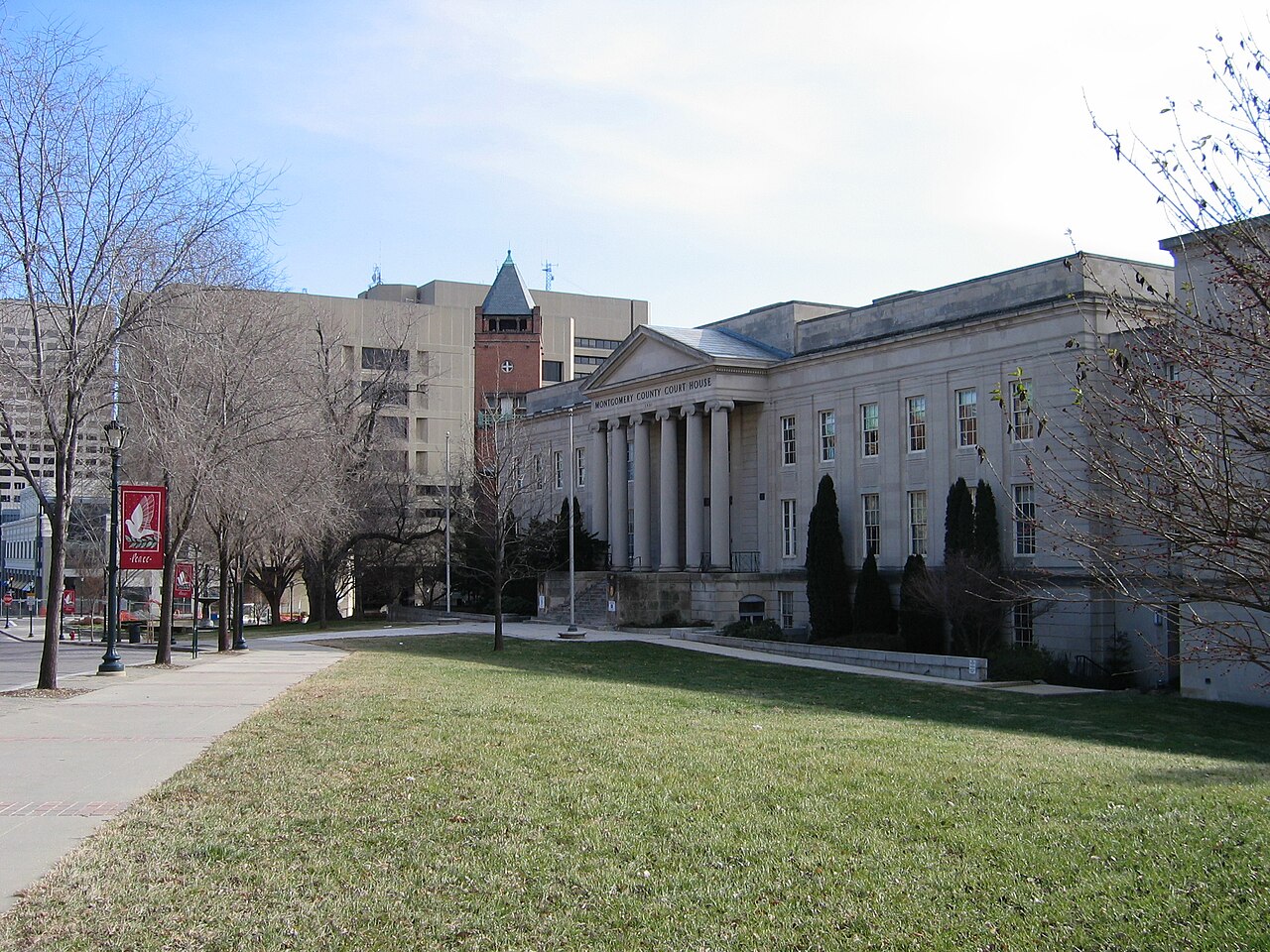
Aude · Image source · CC BY-SA 2.5 · Commons-provided image; no content edits.

What the jury was deciding
At trial, the defense conceded that Norwood intentionally killed Jayna. The jury had to decide whether she’d acted with premeditation. Prosecutors asked jurors to consider the length of the attack, the use of multiple implements and what the neighbors had heard. The jury convicted Norwood of first-degree murder in November 2011. She was sentenced to life without parole in January 2012, and the Maryland Court of Special Appeals affirmed in 2015. [1] [3]
The shoes belonged to the shop. The sounds belonged to an evening the employees next door could only hear through a wall. The first call was simpler than either piece of evidence. Eila Rab sent along a number because someone said she’d forgotten her wallet. [1]
Case brief
Bethesda, Maryland · 2011
- Recorded outcome
- Brittany Norwood convicted November 2011; sentenced to life without parole January 2012; judgment affirmed April 2015.
Key moments
People in this case
- Jayna Murray
Murder victim
Photo at source · Family obituary · Dignity Memorial
Look closer · 9 visuals
Inside the evidence.
Open a visual to explore what it contributed to the case—and the limits of what it shows. Photographs, historical reproductions and original illustrations are individually labeled. Open the notes for each image’s source, credit, and limitations; setting photographs do not depict crime scenes.
The return call
Original editorial illustration — not an actual evidence photograph or exhibit.
Read the evidence notes
Rab supplied Murray’s number after Norwood said her wallet was inside the closed store. Murray agreed to return.
The call sequence does not record every conversation or establish an exact moment when an intent to kill formed.
A shoeprint is not a person
Original editorial illustration — not an actual evidence photograph or exhibit.
Read the evidence notes
The opinion describes Norwood using customer try-on shoes to stage male-looking footprints.
This is a symbolic shoe, not the actual Reebok shoe or a forensic tread comparison.
What changed about the car
Original editorial illustration — not an actual evidence photograph or exhibit.
Read the evidence notes
The car account changed across interviews and a family telephone call.
These are paraphrases. Exact interview positions and suppressed portions remain qualified.
Time and premeditation
Original editorial illustration — not an actual evidence photograph or exhibit.
Read the evidence notes
The appeal emphasized duration, multiple weapons and neighboring employees’ observations as evidence of premeditation.
The diagram does not invent a minute-by-minute attack or a precise weapon sequence.
The hand-cut limit
Original editorial illustration — not an actual evidence photograph or exhibit.
Read the evidence notes
An officer could describe his observations; the judge struck his initial conclusion about the cause of the injury.
The injury did not independently answer the contested question of premeditation.
Which interview reached the jury?
Original editorial illustration — not an actual evidence photograph or exhibit.
Read the evidence notes
The court admitted the earlier March 18 portion and excluded later material, then the appellate court upheld the rulings.
A police interview is not automatically trial evidence in its entirety.
Downtown Bethesda and the Hyatt Regency
Geographic context photograph — not a crime-scene image.
Read the evidence notes
Downtown Bethesda and the Hyatt Regency. Geographic context only; this hotel is not identified as part of the crime.
Commons-provided image; no content edits. The source and reuse terms are linked below.
Farragutful · Image source · CC BY-SA 4.0
Old Georgetown Road in Bethesda
Geographic context photograph — not a crime-scene image.
Read the evidence notes
Old Georgetown Road in Bethesda. A later streetscape, not the Lululemon storefront or a reconstructed route.
Commons-provided image; no content edits. The source and reuse terms are linked below.
Farragutful · Image source · CC BY-SA 4.0
Montgomery County courthouse buildings in Rockville, photographed in 2006
Geographic context photograph — not a crime-scene image.
Read the evidence notes
Montgomery County courthouse buildings in Rockville, photographed in 2006. Judicial setting; the photograph does not identify Norwood’s courtroom.
Commons-provided image; no content edits. The source and reuse terms are linked below.
Aude · Image source · CC BY-SA 2.5
★ Key evidence used in a conviction · ✓ Exclusion or reversal · ◇ Disputed evidence · ⊘ Excluded at retrial · ◆ Identity / investigative finding, not a conviction. A symbol does not mean one item proved the whole case.
Follow the locations
Put the story on the map.
Follow the dated entries, then select an event to find its regional setting. Shared-location pins open a group of events. Evidence symbols identify important findings and their limitations.
Open the map in its own window ↗Sources & further reading
- Norwood v. State — Maryland Court of Special AppealsReturn to shop, staging, interviews, trial issues, verdict, sentence and appeal. Government judicial opinion; court facts read with appellate posture.
- In Memoriam: Jayna Murray — George Washington University2003 graduation, field of study and further education. Biography paraphrase under 100 words.
- State v. Norwood — Montgomery County State’s Attorney sentencing coverageOfficial collection of contemporary sentencing reports; linked reporting is not substituted for the court opinion.
Editorial review: 2026-11-12 · 471 words