The badge Anthony Gignac bought for his security detail purported to come from the Diplomatic Security Service. It gave the men around him an air of official business. It also made a claim the real Diplomatic Security Service could check. The badge was fake. So were the diplomatic plates. [1] [3]
Gignac had been introducing himself as a Saudi prince under a version of the name Khalid Bin Al-Saud. By 2017, a tip about a supposed prince looking to buy a Miami Beach hotel had reached federal investigators. They could examine the status he claimed. Investors who’d already given him money needed an answer about where it had gone. [1] [3]
An offer with the prince’s name on it
Gignac and a co-conspirator set up Marden Williams International in 2015. Through it, he offered investors access to a pharmaceutical company in Ireland, a casino in Malta and other ventures. He offered a share in a stake he claimed to hold in Saudi Aramco. Letters purporting to come from senior Saudi officials backed up the claims. Prosecutors said the letters had been forged. [1] [2]
He also asked people to bring expensive gifts to meetings, presenting the request as royal etiquette. They gave him jewelry, paintings and memorabilia, according to prosecutors. Investors sent about $8 million. The government said their money went into cars, jewelry, travel and a property on Fisher Island instead of the ventures they’d been offered. The spending helped make the man asking for the next investment look as if he already had all the money he needed. [1]
A different name at the airport
In November 2017, Gignac arrived at John F. Kennedy International Airport from London. He used a passport in another person’s name. The airport arrest and searches that followed gave investigators records and objects to compare with what he’d been telling people. Cash and jewelry could be traced as assets. The false official-looking items concerned the authority he’d claimed. [1] [3]
Gignac first pleaded guilty in May 2018. That plea was withdrawn in August after he raised complaints about his representation. Prosecutors filed a new indictment in January 2019, and he pleaded guilty again on March 26. The second plea led to his sentence. On May 31, the judge imposed 224 months, or 18 years and eight months, for offenses including wire fraud, aggravated identity theft and impersonating a foreign official. The sentencing announcement scheduled a separate restitution hearing; it gave no final account of what investors recovered. [1] [2] [3] [4]
The papers Gignac showed investors were meant to establish that someone powerful stood behind the offers. The badge worked the same way. Its advantage lasted as long as nobody asked the people whose name was on it. [1] [3]
Case brief
Miami, Florida · 2015–2017; chronology to verify
- Recorded outcome
- Pleaded guilty in May 2018; sentenced to 224 months in federal prison on May 31, 2019.
Key moments
People in this case
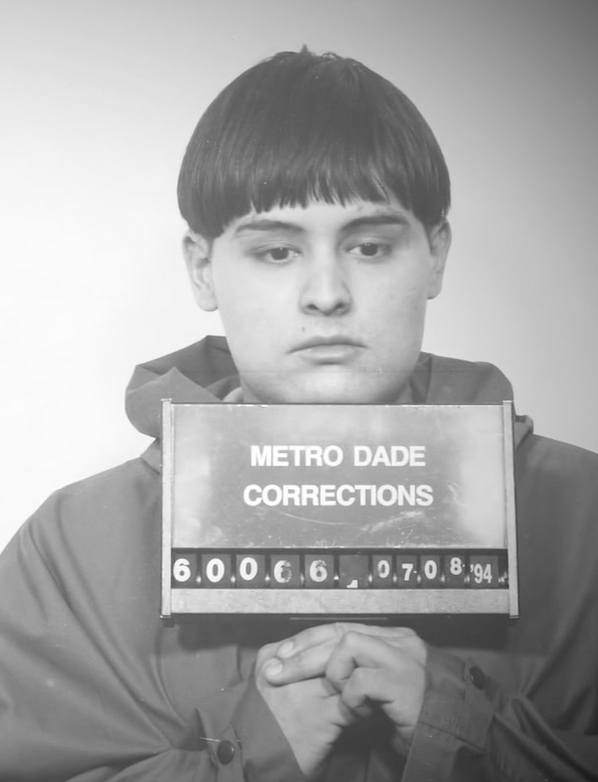
Anthony Gignac Pleaded guilty in the federal fraud case
Booking photograph · Miami-Dade County via Wikimedia Commons · U.S. public domain
Look closer · 3 visuals
Inside the evidence.
Open a visual to explore what it contributed to the case—and the limits of what it shows. These original illustrations explain the record; they are not photographs of the actual evidence.
The borrowed appearance of authority
Original editorial illustration — not an actual evidence photograph or exhibit.
Read the evidence notes
False official-looking items formed part of the royal and diplomatic performance investigators examined.
Generic crossed-out shield; not a usable replica, official seal or actual badge.
Investment money and private spending
Original editorial illustration — not an actual evidence photograph or exhibit.
Read the evidence notes
The criminal account connected false business claims with money used to sustain Gignac’s lifestyle.
Conceptual flow, not a real bank statement or complete accounting of every victim.
One withdrawn plea, one later conviction
Original editorial illustration — not an actual evidence photograph or exhibit.
Read the evidence notes
The first plea was withdrawn before renewed proceedings and the later sentence.
Procedural context. Withdrawal did not establish innocence; the sentence did not rest on an uninterrupted 2018 plea.
★ Key evidence used in a conviction · ✓ Exclusion or reversal · ◇ Disputed evidence · ⊘ Excluded at retrial · ◆ Identity / investigative finding, not a conviction. A symbol does not mean one item proved the whole case.
Follow the locations
Put the story on the map.
Follow the dated entries, then select an event to find its regional setting. Shared-location pins open a group of events. Evidence symbols identify important findings and their limitations.
Open the map in its own window ↗Sources & further reading
- South Florida Resident Sentenced for Impersonating a Member of the Saudi Royal Family224-month sentence, fake identity, investment fraud, gifts, forged materials, passport offense and spending.
- South Florida Resident Pleads Guilty to Impersonating a Member of the Saudi Royal FamilyMay 25 plea, Marden Williams International, false investment opportunities and admitted impersonation.
- Diplomatic Security Service: investigation and renewed Gignac chargesAgency account: investigation, searches, August 2018 plea withdrawal and January 2019 superseding indictment. Archive intermittently unavailable; indexed text reviewed.
- Miami Herald: Gignac enters a renewed guilty pleaDate of renewed plea only.
Editorial review: 2026-11-12 · 449 words