Kira Steger usually called if she couldn’t make a shift. On February 23, 2013, she didn’t come in to the clothing store she managed at the Mall of America. A coworker tried her phone and found it was off. Two days later, police found Kira’s white Chevrolet Cobalt in a mall parking ramp. Inside were her belongings and a divorce form. [1]
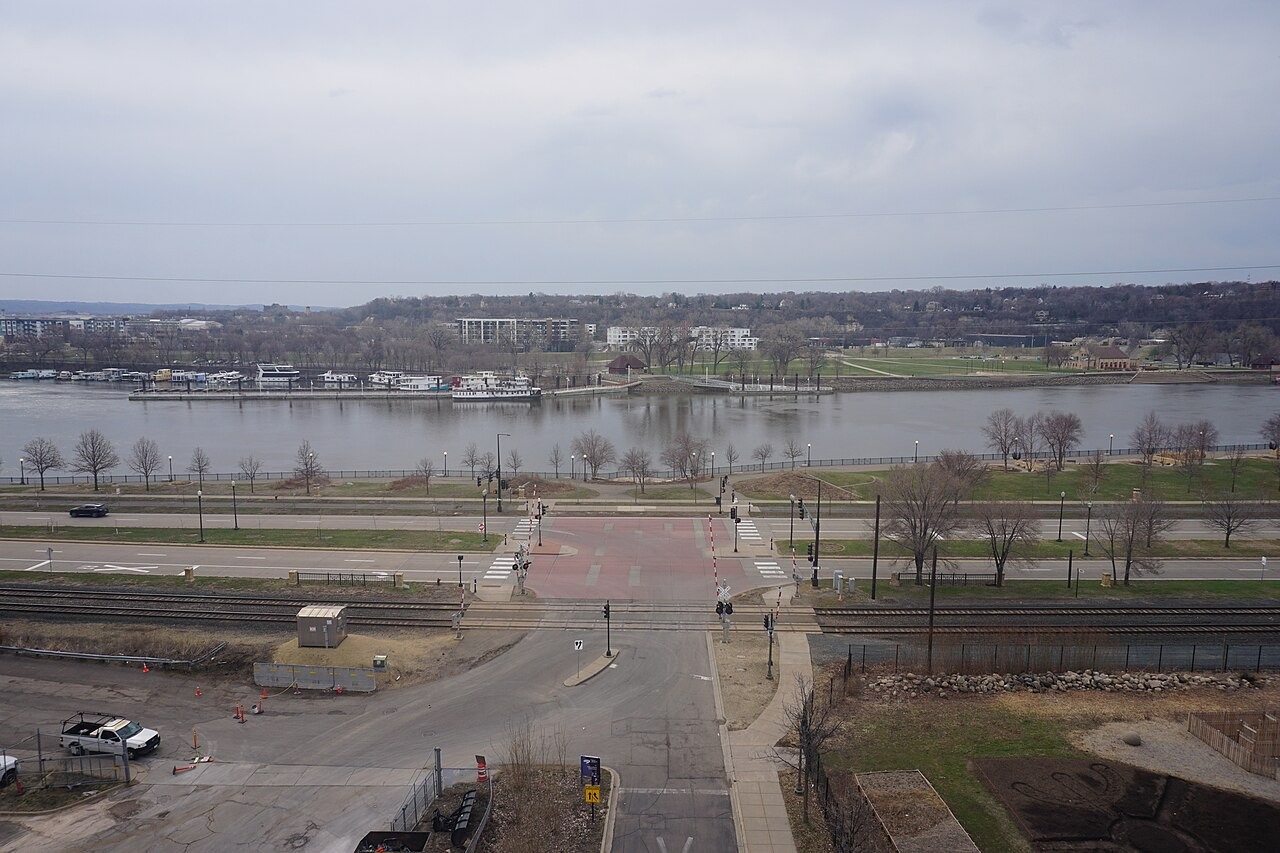
Michael Barera · Image source · CC BY-SA 4.0 · Geographic context; not authentic crime evidence. The building or landscape is public geographic context; no event is assigned to it.

A car at a gas station
Kira and her husband, Jeffery Trevino, had been discussing separation. They went bowling at the mall and had dinner on February 21, then watched a movie at home in St. Paul. At 11:44 p.m., Kira sent her last known text. Around two the next morning, a gas-station camera recorded Trevino putting fuel in her car. [1] [2]
Later that morning, a similar car appeared on mall footage. A taxi driver picked up a thin man in a dark hoodie and drove him toward Kira and Trevino’s neighborhood. The passenger gave an address that didn’t exist. The driver dropped him nearby and saw him walk away. The footage and the driver’s description became part of a timeline the jury heard. [1]
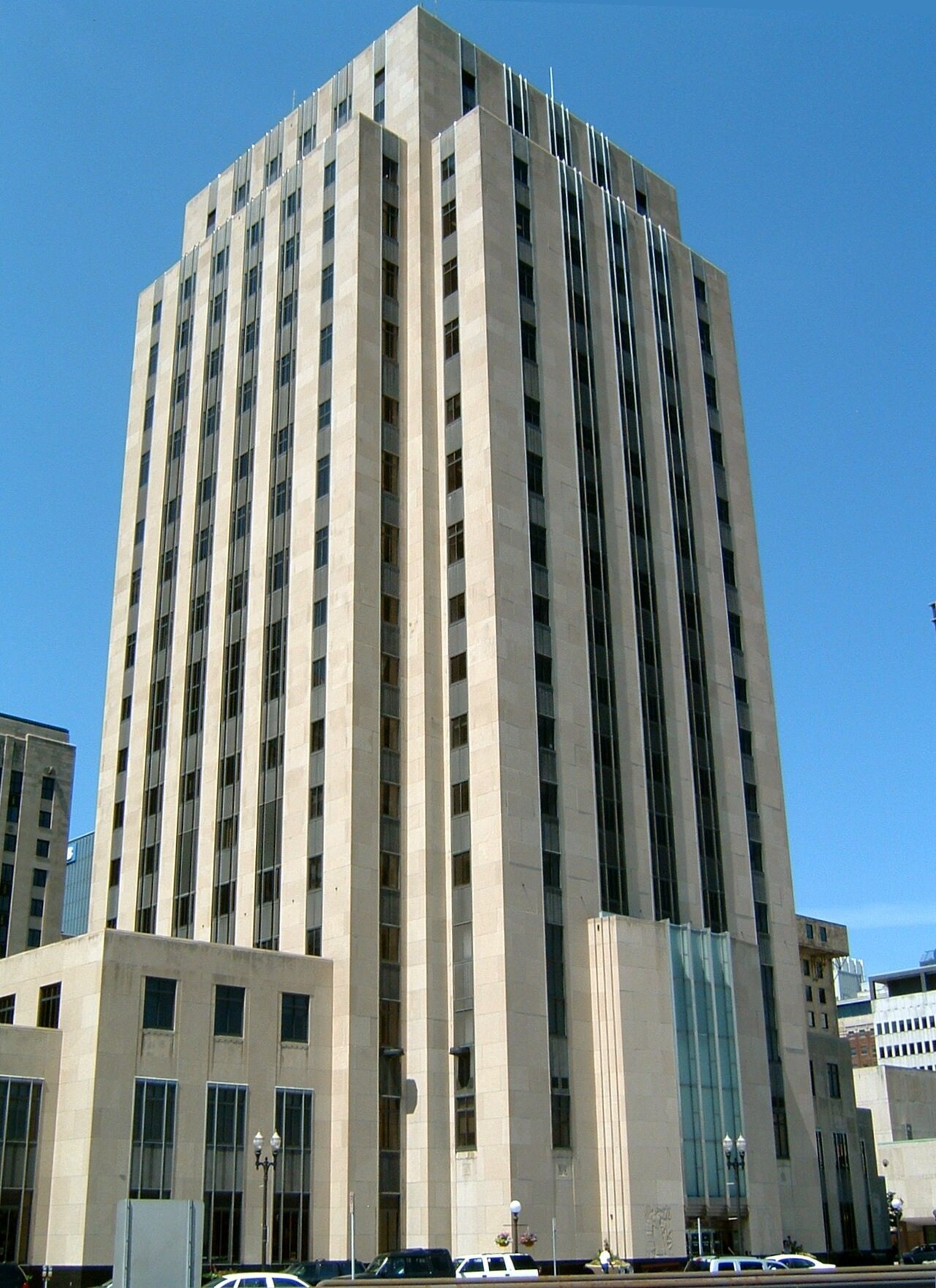
Mulad · Image source · Public domain · Geographic context; not authentic crime evidence. The building or landscape is public geographic context; no event is assigned to it.


The bag near the lake
Police searched the house after finding the car. Testing confirmed some of the blood they suspected was there. Other stains and clothing tests gave negative results. On March 16, Kira’s grandfather found a bag in brush near Keller Lake in Maplewood. It contained clothing and a pillow. Blood on the pillow matched Kira’s DNA profile. Her body was recovered from the Mississippi on May 8 and identified through dental records. [1]

Tony Webster from Minneapolis, Minnesota, United States · Image source · CC BY 2.0 · Geographic context; not authentic crime evidence. The building or landscape is public geographic context; no event is assigned to it.

Two charges, two verdicts
The jury acquitted Trevino of second-degree intentional murder and convicted him of second-degree felony murder based on an assault. At sentencing, members of Kira’s family spoke. The judge imposed 330 months, or twenty-seven and a half years. The appeals court upheld the sentence and conviction in March 2015. Further review was denied that June. [1] [3] [4]
Case brief
St. Paul, Minnesota · 2013
- Recorded outcome
- Jeffery Trevino was convicted of second-degree felony murder and sentenced to 330 months. The Court of Appeals affirmed in March 2015, and the Minnesota Supreme Court denied review on June 30, 2015.
Key moments
People in this case
- Kira Steger and Jeffery Trevino
Steger was the victim. Trevino was convicted of murder.
Photo at source · CBS News · labeled case photographs
Look closer · 9 visuals
Inside the evidence.
Open a visual to explore what it contributed to the case—and the limits of what it shows. Photographs, historical reproductions and original illustrations are individually labeled. Open the notes for each image’s source, credit, and limitations; setting photographs do not depict crime scenes.
A night reconstructed in fragments
Original editorial illustration — not an actual evidence photograph or exhibit.
Read the evidence notes
Different records supplied different parts of the timeline.
No camera recorded the fatal assault.
The car’s separate evidence trail
Original editorial illustration — not an actual evidence photograph or exhibit.
Read the evidence notes
The vehicle contained physical evidence distinct from eyewitness inferences.
The mall image alone did not identify the driver.
What a blood test can establish
Original editorial illustration — not an actual evidence photograph or exhibit.
Read the evidence notes
The opinion distinguishes apparent stains from confirmed blood and negative clothing results.
Do not turn every initial reaction into confirmed blood.
A family search adds evidence
Original editorial illustration — not an actual evidence photograph or exhibit.
Read the evidence notes
The March recovery supplied evidence before the body was located.
Illustration, not the actual bag, pillow or blood.
Two charges, two verdicts
Original editorial illustration — not an actual evidence photograph or exhibit.
Read the evidence notes
The jury convicted on the assault-based felony-murder count.
The intentional-murder acquittal must remain visible.
Identification versus injury timing
Original editorial illustration — not an actual evidence photograph or exhibit.
Read the evidence notes
Dental records identified the recovered body; the examiner could not order all injuries.
No precise death minute or injury reconstruction is supplied.
The Mississippi River in St. Paul
Context photograph — not an actual crime exhibit. The building or landscape is public geographic context; no event is assigned to it.
Read the evidence notes
The Mississippi River in St. Paul. Geographic context photograph; not a crime-scene photograph or an original evidence exhibit. The building or landscape is public geographic context; no event is assigned to it.
Geographic context; not authentic crime evidence. The building or landscape is public geographic context; no event is assigned to it. The source and reuse terms are linked below.
Michael Barera · Image source · CC BY-SA 4.0
St. Paul City Hall and Ramsey County Courthouse
Context photograph — not an actual crime exhibit. The building or landscape is public geographic context; no event is assigned to it.
Read the evidence notes
St. Paul City Hall and Ramsey County Courthouse. Geographic context photograph; not a crime-scene photograph or an original evidence exhibit. The building or landscape is public geographic context; no event is assigned to it.
Geographic context; not authentic crime evidence. The building or landscape is public geographic context; no event is assigned to it. The source and reuse terms are linked below.
Mulad · Image source · Public domain
A public Mississippi River overlook in St. Paul
Context photograph — not an actual crime exhibit. The building or landscape is public geographic context; no event is assigned to it.
Read the evidence notes
A public Mississippi River overlook in St. Paul. Geographic context photograph; not a crime-scene photograph or an original evidence exhibit. The building or landscape is public geographic context; no event is assigned to it.
Geographic context; not authentic crime evidence. The building or landscape is public geographic context; no event is assigned to it. The source and reuse terms are linked below.
Tony Webster from Minneapolis, Minnesota, United States · Image source · CC BY 2.0
★ Key evidence used in a conviction · ✓ Exclusion or reversal · ◇ Disputed evidence · ⊘ Excluded at retrial · ◆ Identity / investigative finding, not a conviction. A symbol does not mean one item proved the whole case.
Follow the locations
Put the story on the map.
Follow the dated entries, then select an event to find its regional setting. Shared-location pins open a group of events. Evidence symbols identify important findings and their limitations.
Open the map in its own window ↗Sources & further reading
- State v. Trevino — Minnesota Court of AppealsChronology, cameras, mall car, searches, forensic limits, acquittal and felony-murder conviction, 330-month sentence and affirmance.
- State v. Trevino — filed government opinion PDFParallel version of the same opinion, used for record cross-check; not independent corroboration.
- Jeffery Trevino sentenced — Lindsey Seavert, KARE 11 / MPR NewsContemporary sentencing date, competing requested sentences and family testimony; fewer than 200 derived words.
- State v. Trevino reporter copy with review history — Minnesota court exhibitThe reproduced A14-0252 opinion includes the reporter notation that further review was denied June 30, 2015.
Editorial review: 2026-11-12 · 330 words