Michelle Martinko wore a black dress to a choir banquet in Cedar Rapids on December 19, 1979. Afterward she drove her family’s Buick to Westdale Mall. Later that night a worker at a nearby store noticed the car in the lot. Police found Michelle inside early the next morning. She was eighteen. Investigators preserved bloodstains from the Buick and the dress. [1] [2] [3]
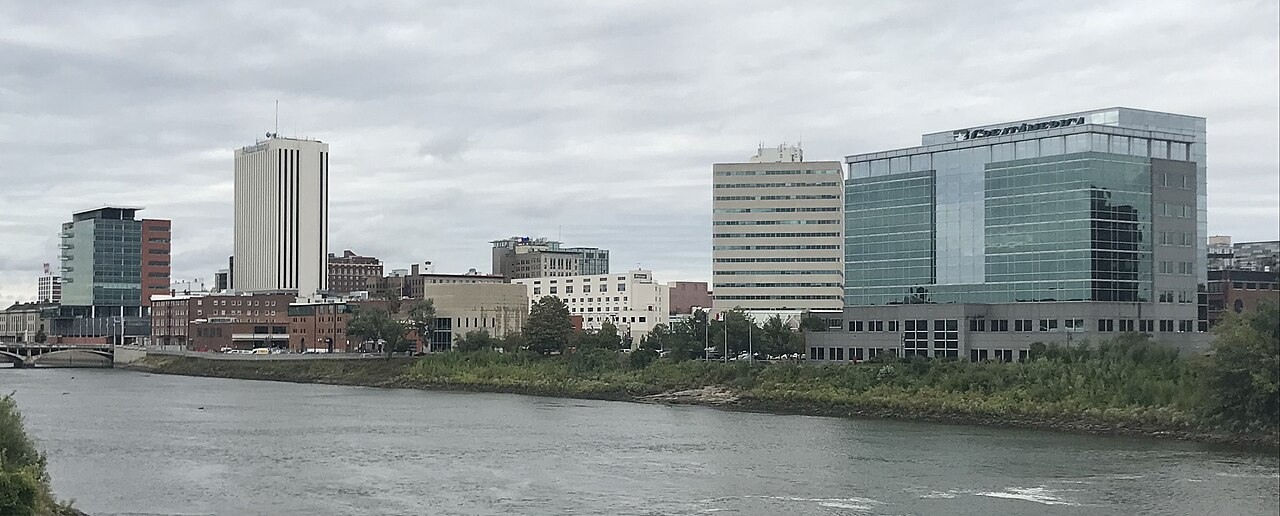
WeaponizingArchitecture · Image source · CC BY-SA 4.0 · Geographic context; not authentic crime evidence. The building or landscape is public geographic context; no event is assigned to it.

A stain without a name
Early DNA testing yielded little. By 2005, a lab had developed a partial male profile from a stain on the dress. It produced no match in the criminal DNA database. In 2018, a genealogy investigation narrowed the search to three brothers. Comparisons using discarded items excluded two of them. [1] [2]
Investigators watched the third brother, Jerry Burns, drink through a straw at a restaurant in Manchester. After he left it behind, they collected it. The profile from the straw was weak, but it was consistent with the male DNA on the dress. Investigators obtained a warrant for a cheek swab. The profile from that swab matched the dress stain. Police arrested Burns on December 19, 2018, thirty-nine years after Michelle’s last evening at the mall. [1] [2]
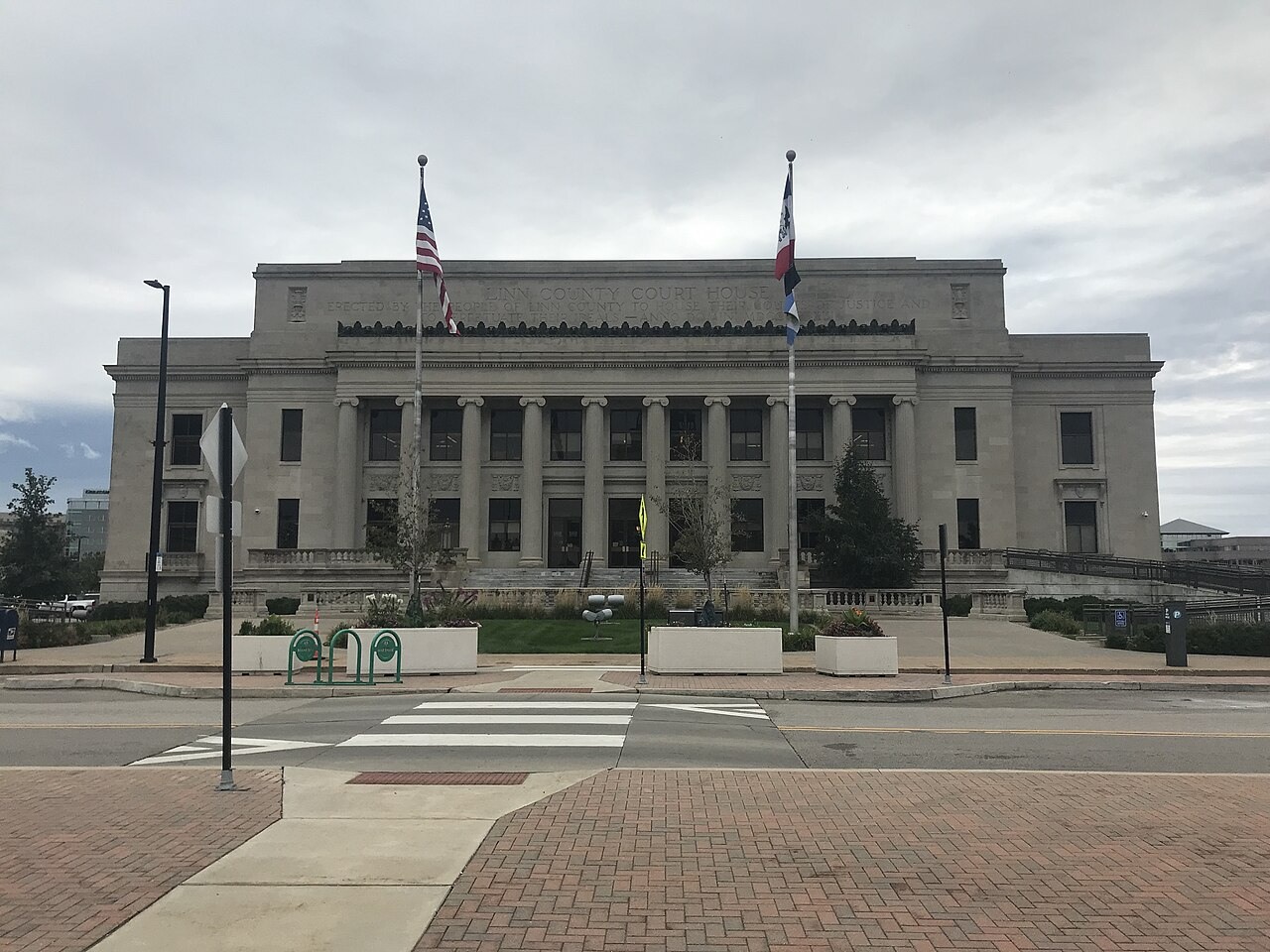
WeaponizingArchitecture · Image source · CC BY-SA 4.0 · Geographic context; not authentic crime evidence. The building or landscape is public geographic context; no event is assigned to it.

The straw in court
A jury convicted Burns of first-degree murder in 2020, and he was sentenced to life without parole. On appeal, he challenged the warrantless collection and testing of DNA from the straw. In 2023, the Iowa Supreme Court majority held that he had left the straw and the DNA on it in public. The dissent argued that genetic information warranted a different privacy analysis. The U.S. Supreme Court declined to review the case in October. [1] [2] [5]
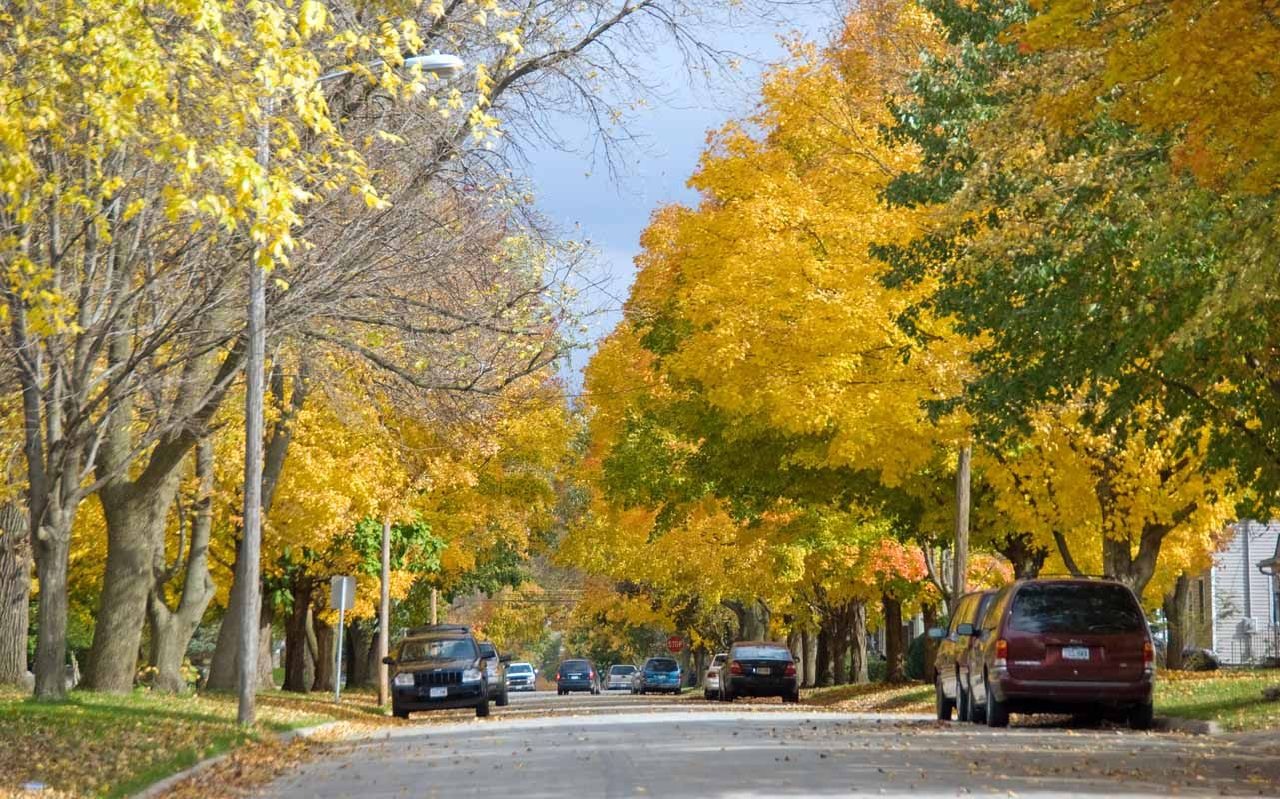
Dirk DBQ · Image source · CC BY 2.0 · Geographic context; not authentic crime evidence. The building or landscape is public geographic context; no event is assigned to it.

The new application
In 2026, Burns applied for post-conviction relief. Local reporting said he alleged ineffective assistance and challenged a former cellmate’s testimony. The state asked the court to dismiss his application. A July report citing the Manchester Press gave April 20, 2027 as a court date on the application. I couldn’t verify that setting against a court order as of November 12, 2026. [6] [7] [8]
Case brief
Cedar Rapids / Manchester, Iowa · 1979–2020
- Recorded outcome
- Jerry Burns was convicted of first-degree murder and sentenced to life in 2020. The Iowa Supreme Court affirmed in 2023, and the U.S. Supreme Court denied review. Local reporting documents a 2026 post-conviction application and state opposition. A reported April 2027 setting was unverified against a court order as of November 12, 2026.
Key moments
People in this case
- Michelle Martinko
Murder victim
Photo at source · Iowa Cold Cases
Look closer · 9 visuals
Inside the evidence.
Open a visual to explore what it contributed to the case—and the limits of what it shows. Photographs, historical reproductions and original illustrations are individually labeled. Open the notes for each image’s source, credit, and limitations; setting photographs do not depict crime scenes.
The evidence waited for technology
Original editorial illustration — not an actual evidence photograph or exhibit.
Read the evidence notes
Preserved material could be retested as techniques improved.
No DNA sequence or laboratory image is fabricated.
A lead is not a DNA identification
Original editorial illustration — not an actual evidence photograph or exhibit.
Read the evidence notes
Genealogy narrowed a search; direct comparisons tested its possibilities.
Relatives were investigative leads, not accomplices.
Why the discarded straw mattered
Original editorial illustration — not an actual evidence photograph or exhibit.
Read the evidence notes
The straw result supported obtaining a warrant for a direct sample.
The straw is illustrated, not an image of the actual item.
A second sample strengthens the chain
Original editorial illustration — not an actual evidence photograph or exhibit.
Read the evidence notes
A direct, warranted sample confirmed the reported DNA match.
The lab statistic is not the probability that the defendant is innocent.
Two men excluded
Original editorial illustration — not an actual evidence photograph or exhibit.
Read the evidence notes
The opinion describes comparisons that excluded two brothers.
An exclusion here does not allege involvement in any other crime.
The privacy question divided the court
Original editorial illustration — not an actual evidence photograph or exhibit.
Read the evidence notes
The court disagreed over constitutional treatment of DNA from discarded material.
A constitutional dissent is not a finding of factual innocence.
Cedar Rapids skyline in 2022
Context photograph — not an actual crime exhibit. The building or landscape is public geographic context; no event is assigned to it.
Read the evidence notes
Cedar Rapids skyline in 2022. Geographic context photograph; not a crime-scene photograph or an original evidence exhibit. The building or landscape is public geographic context; no event is assigned to it.
Geographic context; not authentic crime evidence. The building or landscape is public geographic context; no event is assigned to it. The source and reuse terms are linked below.
WeaponizingArchitecture · Image source · CC BY-SA 4.0
Linn County Courthouse in Cedar Rapids
Context photograph — not an actual crime exhibit. The building or landscape is public geographic context; no event is assigned to it.
Read the evidence notes
Linn County Courthouse in Cedar Rapids. Geographic context photograph; not a crime-scene photograph or an original evidence exhibit. The building or landscape is public geographic context; no event is assigned to it.
Geographic context; not authentic crime evidence. The building or landscape is public geographic context; no event is assigned to it. The source and reuse terms are linked below.
WeaponizingArchitecture · Image source · CC BY-SA 4.0
Tirrill Park in Manchester, Iowa
Context photograph — not an actual crime exhibit. The building or landscape is public geographic context; no event is assigned to it.
Read the evidence notes
Tirrill Park in Manchester, Iowa. Geographic context photograph; not a crime-scene photograph or an original evidence exhibit. The building or landscape is public geographic context; no event is assigned to it.
Geographic context; not authentic crime evidence. The building or landscape is public geographic context; no event is assigned to it. The source and reuse terms are linked below.
Dirk DBQ · Image source · CC BY 2.0
★ Key evidence used in a conviction · ✓ Exclusion or reversal · ◇ Disputed evidence · ⊘ Excluded at retrial · ◆ Identity / investigative finding, not a conviction. A symbol does not mean one item proved the whole case.
Follow the locations
Put the story on the map.
Follow the dated entries, then select an event to find its regional setting. Shared-location pins open a group of events. Evidence symbols identify important findings and their limitations.
Open the map in its own window ↗Sources & further reading
- State v. Burns — amended Iowa Supreme Court opinion and trial appendicesFiled opinion, concurrence, dissents, trial verdict and sentence; evidence history, genealogy, straw, warrant and constitutional analysis.
- State v. Burns, 988 N.W.2d 352 — opinion mirrorOriginal published decision as cross-check; the filed amended opinion controls, and mirrors are not independent corroboration.
- Solved cases: Michelle Martinko — Iowa Cold CasesIndependent nonprofit chronology of December 19, 2018 arrest and later verdict; limited derived material.
- Martinko v. H-N-W Associates — Iowa Supreme CourtEarlier estate lawsuit about mall security; summary judgment affirmed, with dissent. Separate from killer identification.
- Burns v. Iowa, No. 23-206 — U.S. Supreme Court docketCertiorari petition denied October 10, 2023.
- Burns files petition for post-conviction relief — KMCHReports a late-April post-conviction filing, with an explanation from the Linn County attorney and a summary of the claims.
- State seeks dismissal of Burns’s application — KCRGReports the state’s request to dismiss the post-conviction application.
- Michelle Martinko case update — Defrosting Cold Cases, citing the Manchester PressAttributes an April 20, 2027 post-conviction court setting to July 15 Manchester Press coverage. The underlying scheduling order was unverified.
Editorial review: 2026-11-12 · 342 words