Robert Pavelka remembered why Darlene Gentry first liked the pond. She was looking at property, and she told him her husband, Keith, had wanted somewhere to take their sons fishing. A few weeks later, Pavelka said, she asked him to fill it in. The change bothered him enough to contact the authorities. [1] [2]
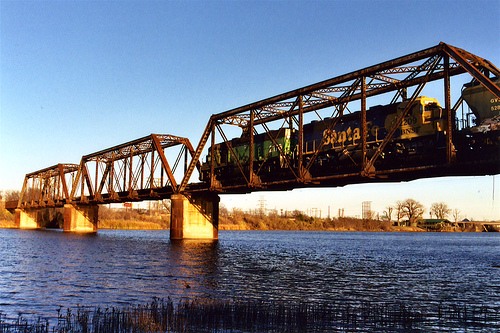
Thad Roan from Littleton, CO, USA. · Image source · CC BY-SA 2.0 · Geographic context; not authentic crime evidence. The building or landscape is public geographic context; no event is assigned to it.

The call before sunrise
Police arrived at the Gentry home in McLennan County at about 6:15 a.m. on November 9, 2005. Waymon Keith Gentry had been shot in the head. He was still alive and died later at the hospital. During a consent search, police found latex gloves and a .22-caliber casing in the kitchen trash. Testing found gunshot residue and DNA evidence on the gloves. Officers had arrested Darlene and she was out on bond by the time she spoke to Pavelka. [1]
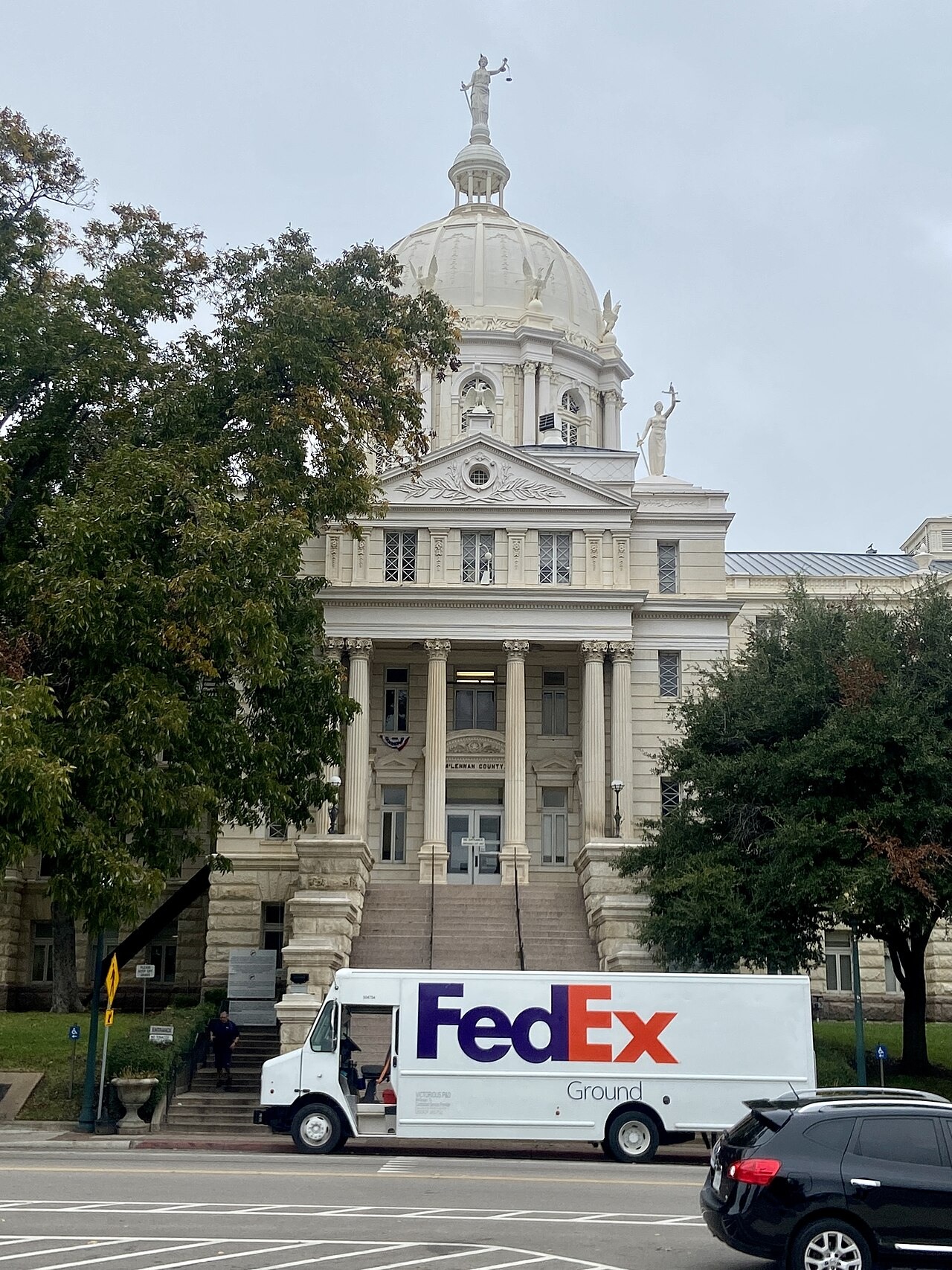
Myotus · Image source · CC0 · Geographic context; not authentic crime evidence. The building or landscape is public geographic context; no event is assigned to it.

What the Rangers were waiting for
Divers searched the pond with Pavelka’s consent and recovered a .22-caliber revolver. The Rangers then asked Pavelka to tell Darlene that he planned to drain the pond before filling it. On the first night of surveillance, she didn’t come. Pavelka called again with a story about a broken pump and another attempt the next day. [1] [2]
The Rangers filmed Darlene wading into shallow water and probing the bottom with a stick. One Ranger said she searched where the divers had found the revolver. The recording began after the recovery. What jurors could see on it was her search. [1] [2]
Marlinite at en.wikipedia · Image source · CC0 · Geographic context; not authentic crime evidence. This unrelated shop provides town context only; it is not linked to the crime or investigation.

The verdict and the later petitions
A jury convicted Darlene of murder in February 2007 and assessed sixty years in prison. She challenged the use of the arranged conversations and other trial rulings. The Texas appeals court affirmed in 2008. [1] [2] [3]
In 2010, the Texas Court of Criminal Appeals directed the trial court to develop a record on claims that included ineffective assistance and undisclosed evidence. The docket for one of those applications records a November 2017 denial without a written opinion, based on trial-court findings after a hearing. [4] [5]
Case brief
McLennan County, Texas · 2005
- Recorded outcome
- Darlene Gentry was convicted of murder and sentenced to 60 years in 2007. The Texas appeals court affirmed in 2008. A Texas Court of Criminal Appeals docket records denial of habeas relief in case WR-73,738-01 in November 2017.
Key moments
People in this case
- Darlene Gentry
Convicted of murdering Keith Gentry
Photo at source · Oxygen · case photograph
Look closer · 9 visuals
Inside the evidence.
Open a visual to explore what it contributed to the case—and the limits of what it shows. Photographs, historical reproductions and original illustrations are individually labeled. Open the notes for each image’s source, credit, and limitations; setting photographs do not depict crime scenes.
The pond sequence matters
Original editorial illustration — not an actual evidence photograph or exhibit.
Read the evidence notes
The pistol was already out of the water when the later visit was filmed.
The video does not show the original disposal.
What the camera recorded
Original editorial illustration — not an actual evidence photograph or exhibit.
Read the evidence notes
Rangers described the search in the area where the gun had been recovered.
No real surveillance frame or suspect likeness is recreated.
Gloves, casing and laboratory work
Original editorial illustration — not an actual evidence photograph or exhibit.
Read the evidence notes
The opinion lists physical evidence recovered during the home search.
No unique ballistic match is claimed from this source summary.
A changed property preference
Original editorial illustration — not an actual evidence photograph or exhibit.
Read the evidence notes
Pavelka’s testimony explains how the inquiry reached Rangers.
Suspicion prompted investigation; it was not a verdict.
Excluded third-party theory
Original editorial illustration — not an actual evidence photograph or exhibit.
Read the evidence notes
The defense offered a third-party motive theory; the court rejected the evidentiary link.
Uncharged people are not identified as offenders.
Trial publicity and juror screening
Original editorial illustration — not an actual evidence photograph or exhibit.
Read the evidence notes
The court considered how the trial screened jurors, not just whether reporting existed.
Historical ruling specific to this record.
A bridge over the Brazos River in Waco
Context photograph — not an actual crime exhibit. The building or landscape is public geographic context; no event is assigned to it.
Read the evidence notes
A bridge over the Brazos River in Waco. Geographic context photograph; not a crime-scene photograph or an original evidence exhibit. The building or landscape is public geographic context; no event is assigned to it.
Geographic context; not authentic crime evidence. The building or landscape is public geographic context; no event is assigned to it. The source and reuse terms are linked below.
Thad Roan from Littleton, CO, USA. · Image source · CC BY-SA 2.0
McLennan County Courthouse in Waco
Context photograph — not an actual crime exhibit. The building or landscape is public geographic context; no event is assigned to it.
Read the evidence notes
McLennan County Courthouse in Waco. Geographic context photograph; not a crime-scene photograph or an original evidence exhibit. The building or landscape is public geographic context; no event is assigned to it.
Geographic context; not authentic crime evidence. The building or landscape is public geographic context; no event is assigned to it. The source and reuse terms are linked below.
Myotus · Image source · CC0
A supermarket in Robinson, Texas
Context photograph — not an actual crime exhibit. This unrelated shop provides town context only; it is not linked to the crime or investigation.
Read the evidence notes
A supermarket in Robinson, Texas. Geographic context photograph; not a crime-scene photograph or an original evidence exhibit. This unrelated shop provides town context only; it is not linked to the crime or investigation.
Geographic context; not authentic crime evidence. This unrelated shop provides town context only; it is not linked to the crime or investigation. The source and reuse terms are linked below.
Marlinite at en.wikipedia · Image source · CC0
★ Key evidence used in a conviction · ✓ Exclusion or reversal · ◇ Disputed evidence · ⊘ Excluded at retrial · ◆ Identity / investigative finding, not a conviction. A symbol does not mean one item proved the whole case.
Follow the locations
Put the story on the map.
Follow the dated entries, then select an event to find its regional setting. Shared-location pins open a group of events. Evidence symbols identify important findings and their limitations.
Open the map in its own window ↗Sources & further reading
- Darlene D. Gentry v. State — Texas Tenth Court of AppealsDeath, gloves and casing, pond recovery, surveillance sequence, evidentiary challenges, sixty-year sentence and affirmance.
- Gentry v. State — parallel court-opinion transcriptionCross-check of the same government opinion; this is not independent corroboration.
- Waco nurse gets 60 years for killing husband — Associated PressContemporary verdict and sentencing calendar and Robinson location; fewer than 100 derived words.
- Ex parte Darlene D. Gentry, WR-73,738-01 and -03 — Texas Court of Criminal AppealsOrder directing the trial court to develop a factual record on collateral claims and holding both applications in abeyance.
- Ex parte Darlene D. Gentry, WR-73,738-01 — Texas appellate docket transcriptionRecords denial without written opinion on trial-court findings after a hearing.
Editorial review: 2026-11-12 · 338 words