Alexis kept the time and dose of each pill she gave her mother. She wrote those down on a pad. In a little black book she recorded vital signs and what Michele MacNeill ate. Michele had come home from surgery in April 2007, and Alexis was doing the small jobs that go with taking care of somebody at home. [1]
One evening Martin MacNeill said he’d take over. The next morning Alexis could barely get Michele to stir. Martin told her he might have given her too much medicine. Later, Michele told Alexis she didn’t want him giving her more. She felt the different pills so she would know what each one was. [1]
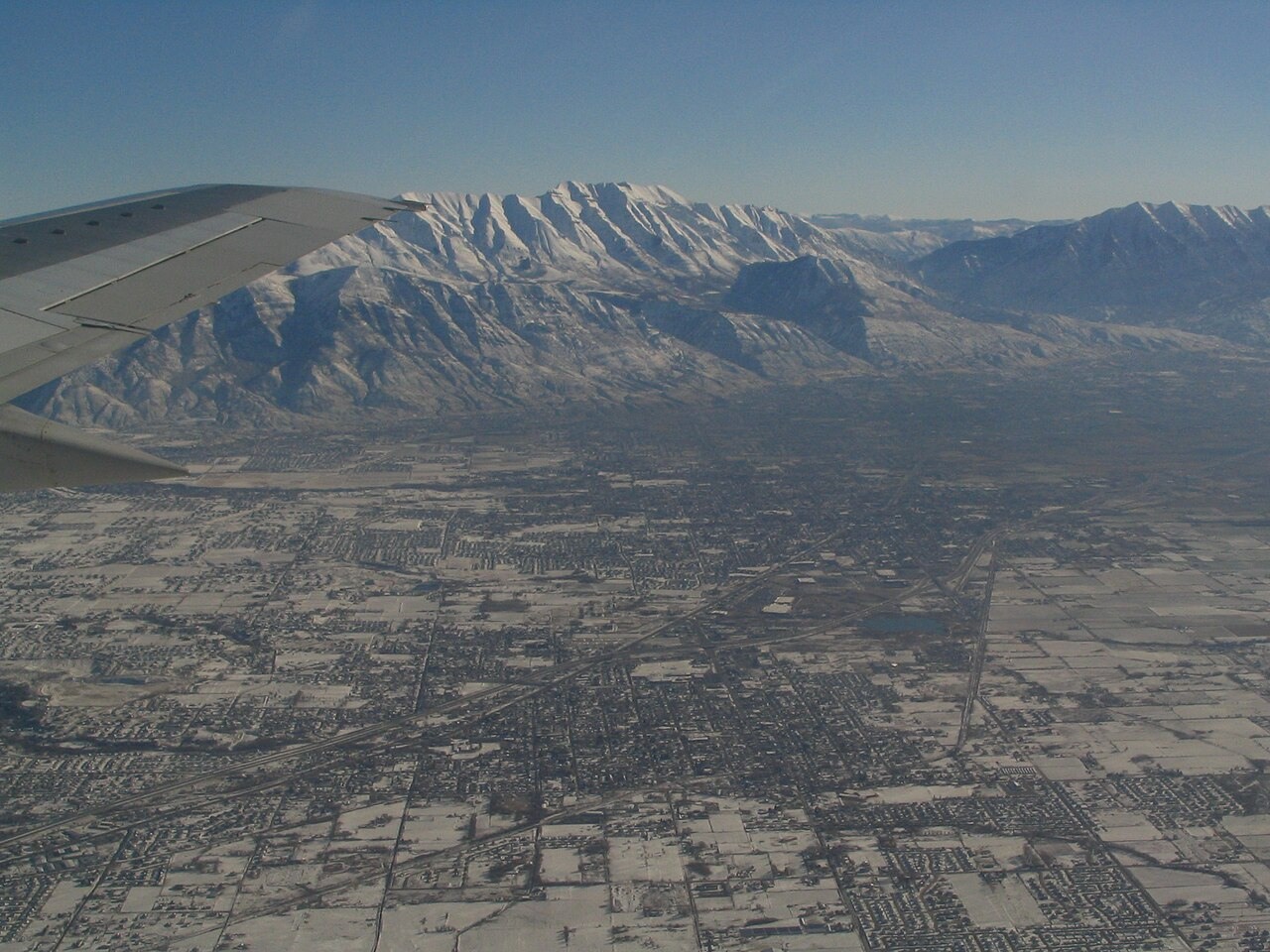
Ken Lund from Reno, Nevada, USA · Image source · CC BY-SA 2.0 · Geographic context; not authentic crime evidence. The building or landscape is public geographic context; no event is assigned to it.

A call at 8:45
Michele was getting around on her own by April 10. Alexis went back to school after accompanying her to a follow-up appointment. The next morning, at 8:45, they talked on the phone. Michele sounded well to Alexis and said she planned to pick the girls up from school. Half an hour later, Martin left Alexis a message asking her to tell Michele to stay in bed. When Alexis called back, Michele didn’t answer. [1]
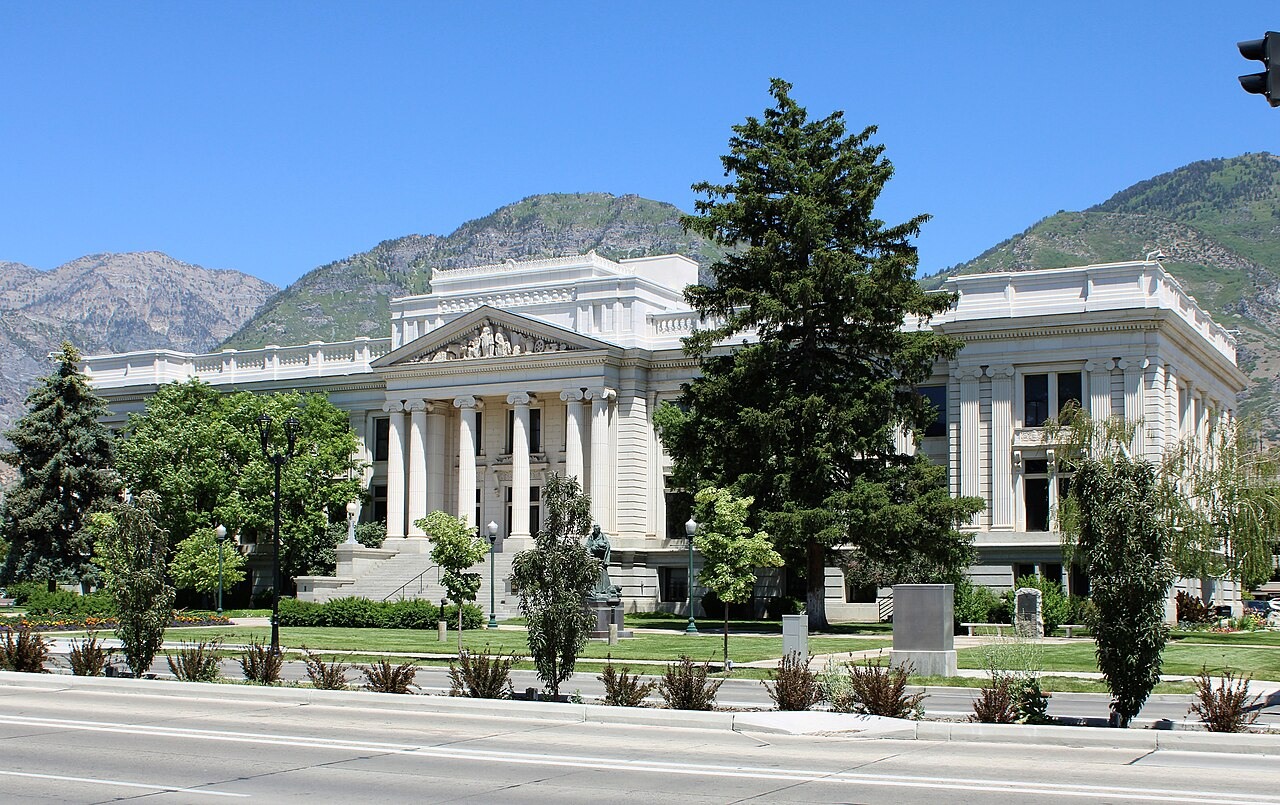
Farragutful · Image source · CC BY-SA 4.0 · Geographic context; not authentic crime evidence. The building or landscape is public geographic context; no event is assigned to it.

The photograph at work
Martin was receiving an award at work that morning. He pressed the photographer to make sure he was in a picture. The photograph could place him at the ceremony. It left time before and afterward unaccounted for. At 11:30 he picked up their youngest daughter from kindergarten. She later told investigators she found her mother in the bathtub in her clothes and went next door for help at her father’s direction. [1]
Martin told paramedics Michele had taken too much medicine, slipped and hit her head. A doctor saw no injuries consistent with the fall he described. Michele was pronounced dead at the hospital. Alexis came home and went looking for the medication record. The original pad was there. The book she had used later was missing. [1]
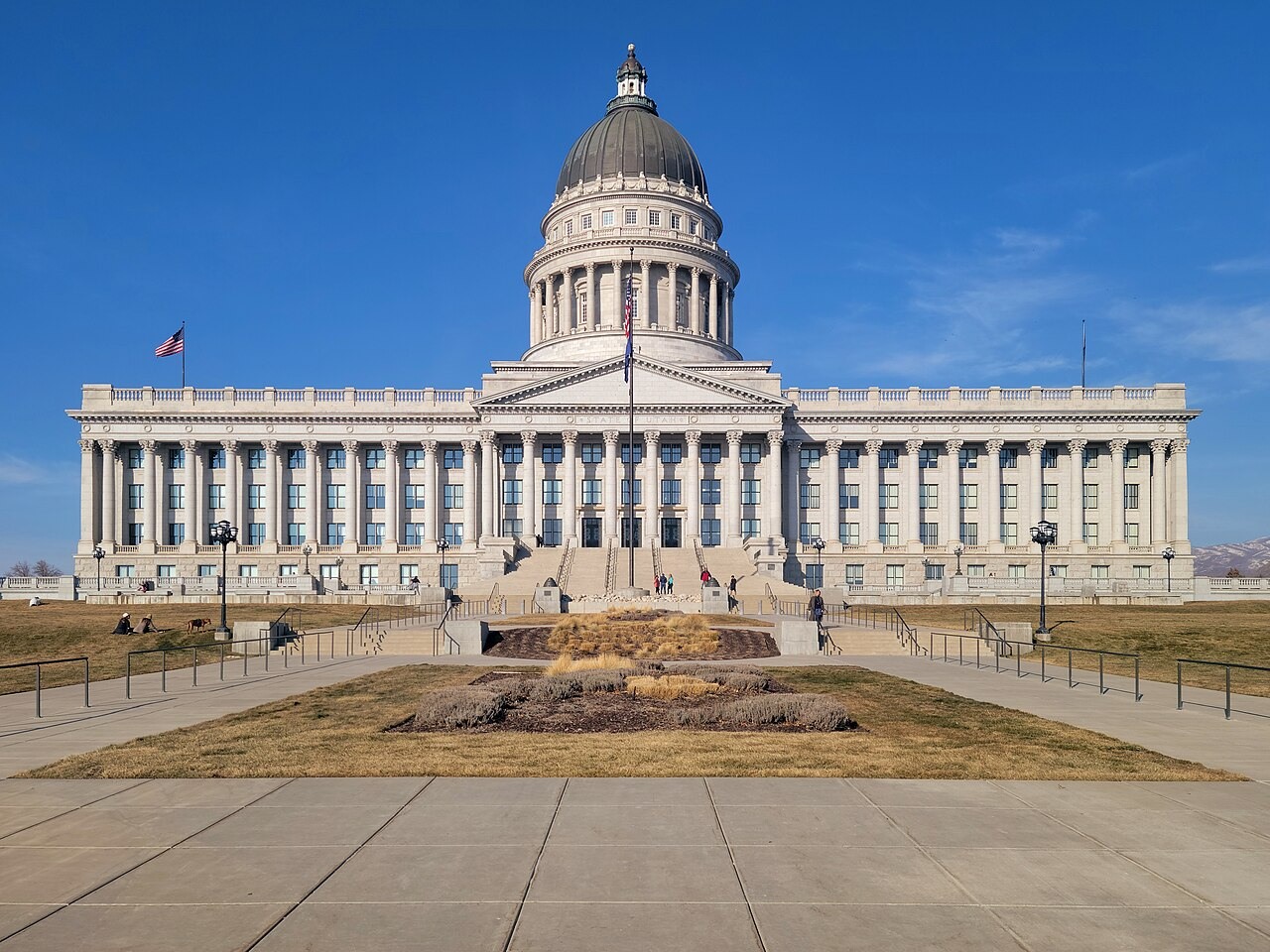
GyozaDumpling · Image source · CC BY-SA 4.0 · Geographic context; not authentic crime evidence. The building or landscape is public geographic context; no event is assigned to it.

Michele’s family asks for another look
The first medical finding was a natural death attributed to heart disease. Alexis, her sister Rachel and Michele’s sister pressed for another look. A toxicologist reviewed the concentrations of the drugs in Michele’s blood. A successor medical examiner changed the cause to the combined effects of heart disease and drug toxicity and called the manner of death undetermined. [1]
Prosecutors argued that Martin had overmedicated Michele and drowned her. They also presented evidence of his relationship with Gypsy Willis, whom he moved into the home as a nanny shortly after Michele’s death. Five jailhouse witnesses described statements they attributed to him. On appeal, the defense challenged the handling of information about benefits promised to one of them. [1]
The jury convicted Martin of murder and obstruction in 2013. The Utah Court of Appeals affirmed in March 2017. Martin died in custody the next month. In the court’s account, one of the last plans Michele told Alexis about was a school pickup. It was the kind of thing she could do again as she recovered. By the time school let out, her youngest daughter was at the neighbor’s house. [1] [2] [3]
Case brief
Pleasant Grove, Utah · 2007
- Recorded outcome
- Martin MacNeill convicted of murder and obstruction in 2013. Convictions affirmed in March 2017. He died in custody the next month.
Key moments
People in this case
- Michele MacNeill
Murder victim
Photo at source · ABC News · family photograph - Martin MacNeill
Convicted of Michele MacNeill’s murder
Photo at source · ABC News · family photograph
Look closer · 9 visuals
Inside the evidence.
Open a visual to explore what it contributed to the case—and the limits of what it shows. Photographs, historical reproductions and original illustrations are individually labeled. Open the notes for each image’s source, credit, and limitations; setting photographs do not depict crime scenes.
The medication log
Original editorial illustration — not an actual evidence photograph or exhibit.
Read the evidence notes
Alexis made records while caring for Michele.
The surviving notes do not account for every dose.
One photographed appearance
Original editorial illustration — not an actual evidence photograph or exhibit.
Read the evidence notes
The photograph and witness account fixed one appearance.
The image cannot establish Martin’s location for the entire morning.
Accounts of the discovery
Original editorial illustration — not an actual evidence photograph or exhibit.
Read the evidence notes
Witnesses described the discovery and its aftermath differently.
None supplied a direct view of the moment Michele lost consciousness.
Original and revised medical findings
Original editorial illustration — not an actual evidence photograph or exhibit.
Read the evidence notes
A successor reviewed disease and drug toxicity together.
The revised medical classification did not determine homicide.
The obstructed record
Original editorial illustration — not an actual evidence photograph or exhibit.
Read the evidence notes
A witness described disposal at Martin’s direction.
The notebook’s disappearance does not identify who removed it.
Witness challenge on appeal
Original editorial illustration — not an actual evidence photograph or exhibit.
Read the evidence notes
The appellate court assessed the significance of the challenged material.
Affirmance is not independent corroboration of every witness statement.
Mount Timpanogos and Utah Valley
Context photograph — not an actual crime exhibit. The building or landscape is public geographic context; no event is assigned to it.
Read the evidence notes
Mount Timpanogos and Utah Valley. Geographic context photograph; not a crime-scene photograph or an original evidence exhibit. The building or landscape is public geographic context; no event is assigned to it.
Geographic context; not authentic crime evidence. The building or landscape is public geographic context; no event is assigned to it. The source and reuse terms are linked below.
Ken Lund from Reno, Nevada, USA · Image source · CC BY-SA 2.0
Historic Utah County Courthouse in Provo
Context photograph — not an actual crime exhibit. The building or landscape is public geographic context; no event is assigned to it.
Read the evidence notes
Historic Utah County Courthouse in Provo. Geographic context photograph; not a crime-scene photograph or an original evidence exhibit. The building or landscape is public geographic context; no event is assigned to it.
Geographic context; not authentic crime evidence. The building or landscape is public geographic context; no event is assigned to it. The source and reuse terms are linked below.
Farragutful · Image source · CC BY-SA 4.0
Utah State Capitol in Salt Lake City
Context photograph — not an actual crime exhibit. The building or landscape is public geographic context; no event is assigned to it.
Read the evidence notes
Utah State Capitol in Salt Lake City. Geographic context photograph; not a crime-scene photograph or an original evidence exhibit. The building or landscape is public geographic context; no event is assigned to it.
Geographic context; not authentic crime evidence. The building or landscape is public geographic context; no event is assigned to it. The source and reuse terms are linked below.
GyozaDumpling · Image source · CC BY-SA 4.0
★ Key evidence used in a conviction · ✓ Exclusion or reversal · ◇ Disputed evidence · ⊘ Excluded at retrial · ◆ Identity / investigative finding, not a conviction. A symbol does not mean one item proved the whole case.
Follow the locations
Put the story on the map.
Follow the dated entries, then select an event to find its regional setting. Shared-location pins open a group of events. Evidence symbols identify important findings and their limitations.
Open the map in its own window ↗Sources & further reading
- State v. MacNeill · Utah Court of AppealsMedication, discovery, pathology revision, witness disclosure and affirmance.
- Deseret News · Official determination of Martin MacNeill’s deathDeath in custody and later official determination.
- Associated Press · Sentencing in ProvoSentences for murder and obstruction.
Editorial review: 2026-11-12 · 524 words