Eric Miller went bowling in Raleigh with some of his wife’s co-workers on November 15, 2000. Derril Willard handed him a cup of beer. Eric drank some and remarked on the taste. The next day he was sick enough to go to Rex Hospital. [1]
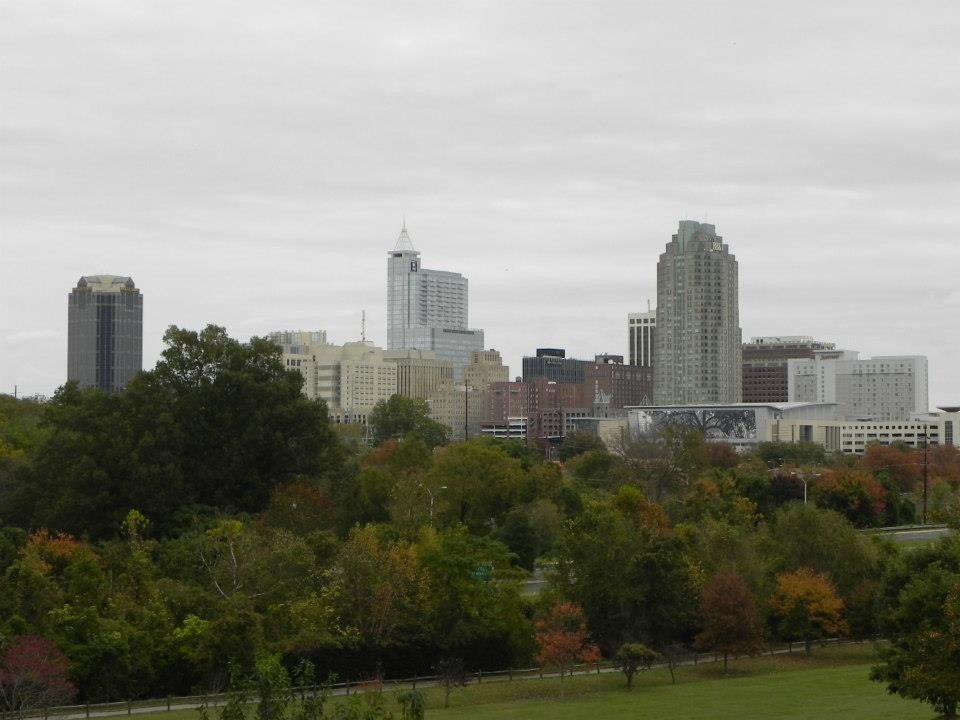
Atlpedia · Image source · CC BY-SA 3.0 · Geographic context; not authentic crime evidence. The building or landscape is public geographic context; no event is assigned to it.

Two hospital stays
Eric was a postdoctoral researcher. He was transferred to a hospital in Chapel Hill and went home three days later. His wife, Ann, and his parents helped care for him. On December 1 he went back to the hospital. He died the next day. Investigators learned he’d been poisoned with arsenic. The bowlers could tell them about a cup changing hands. The doctors could tell them about Eric’s illness. The timing of each exposure still had to be established. [1]
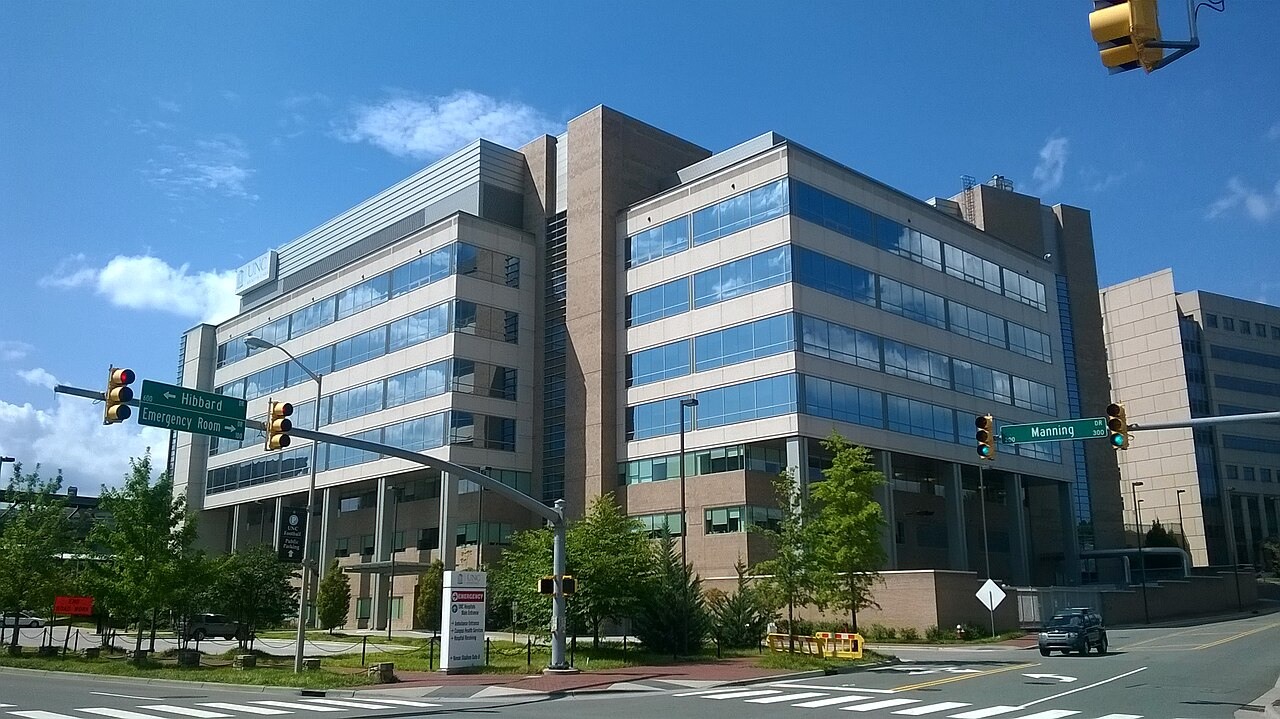
Bbfd · Image source · CC0 · Geographic context; not authentic crime evidence. The building or landscape is public geographic context; no event is assigned to it.

Calls the detectives could count
Detectives wanted to speak to Willard about the bowling alley. They also examined his relationship with Ann. Phone records documented 576 minutes of calls between the two in the period investigators examined. That was enough to give detectives a line of inquiry. They still had to find out what the calls were about. [1]
Willard went to see a lawyer, Richard Gammon, and later died. Gammon had information from his client that the state wanted. The lawyers and judges had to work out whether investigators could have any of it. Attorney-client privilege protected confidential communications about legal advice, including after a client’s death. The question was which statements qualified. [1] [2]
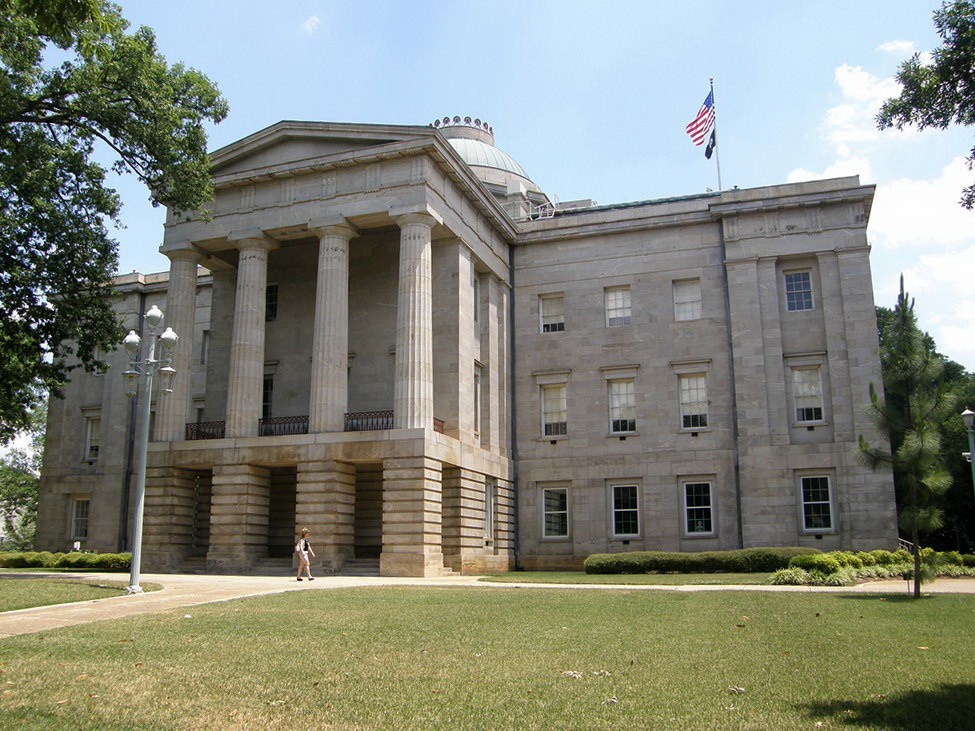
Jim Bowen from Fort Worth, US · Image source · CC BY 2.0 · Geographic context; not authentic crime evidence. The building or landscape is public geographic context; no event is assigned to it.

One paragraph the state could read
In 2003 the North Carolina Supreme Court laid out a way for a judge to look at the information privately. Gammon put it in an affidavit under seal. The judge could examine the words before deciding whether any of them could go to investigators. The state could argue for disclosure while the document stayed out of its hands. [1] [2]
The case returned to the state Supreme Court in 2004. It allowed the state to see paragraph twelve, which concerned a third party. The rest stayed sealed. [2]
Ann was charged in 2004. She pleaded guilty in November 2005 to second-degree murder and conspiracy to commit first-degree murder. Contemporary coverage put her sentence at twenty-five to thirty-one and a half years. Her plea settled the charges against her. The public record of the affidavit still ends at a much narrower place. It tells you which paragraph investigators got and leaves the others under seal. [2] [3] [4]
Case brief
Raleigh and Chapel Hill, North Carolina · 2000
- Recorded outcome
- Ann Rene Miller pleaded guilty to second-degree murder and conspiracy in November 2005. The privilege decisions preceded and did not adjudicate the plea.
Key moments
People in this case
- Ann Miller Kontz
Pleaded guilty to murdering Eric Miller
Photo at source · The News & Observer · labeled courtroom photograph
Look closer · 9 visuals
Inside the evidence.
Open a visual to explore what it contributed to the case—and the limits of what it shows. Photographs, historical reproductions and original illustrations are individually labeled. Open the notes for each image’s source, credit, and limitations; setting photographs do not depict crime scenes.
The clinical sequence
Original editorial illustration — not an actual evidence photograph or exhibit.
Read the evidence notes
Clinical and medical findings established illness and arsenic poisoning.
Admission dates do not establish dosing dates.
The bowling account
Original editorial illustration — not an actual evidence photograph or exhibit.
Read the evidence notes
Witnesses could describe events before the first admission.
No witness account identifies the contents by itself.
Calls without dialogue
Original editorial illustration — not an actual evidence photograph or exhibit.
Read the evidence notes
Records showed substantial contact between Ann and Willard.
They did not document a conversation about the poisoning.
Judicial review under seal
Original editorial illustration — not an actual evidence photograph or exhibit.
Read the evidence notes
The court allowed a limited way to determine what was protected.
Judicial access did not give prosecutors access.
The one paragraph
Original editorial illustration — not an actual evidence photograph or exhibit.
Read the evidence notes
Only a specific portion fell outside privilege in the ruling.
The diagram contains no purported text of the affidavit.
The plea came later
Original editorial illustration — not an actual evidence photograph or exhibit.
Read the evidence notes
Ann later pleaded guilty to two offenses.
The plea was not a verdict against Willard.
Downtown Raleigh, North Carolina
Context photograph — not an actual crime exhibit. The building or landscape is public geographic context; no event is assigned to it.
Read the evidence notes
Downtown Raleigh, North Carolina. Geographic context photograph; not a crime-scene photograph or an original evidence exhibit. The building or landscape is public geographic context; no event is assigned to it.
Geographic context; not authentic crime evidence. The building or landscape is public geographic context; no event is assigned to it. The source and reuse terms are linked below.
Atlpedia · Image source · CC BY-SA 3.0
UNC Hospitals in Chapel Hill
Context photograph — not an actual crime exhibit. The building or landscape is public geographic context; no event is assigned to it.
Read the evidence notes
UNC Hospitals in Chapel Hill. Geographic context photograph; not a crime-scene photograph or an original evidence exhibit. The building or landscape is public geographic context; no event is assigned to it.
Geographic context; not authentic crime evidence. The building or landscape is public geographic context; no event is assigned to it. The source and reuse terms are linked below.
Bbfd · Image source · CC0
North Carolina State Capitol in Raleigh
Context photograph — not an actual crime exhibit. The building or landscape is public geographic context; no event is assigned to it.
Read the evidence notes
North Carolina State Capitol in Raleigh. Geographic context photograph; not a crime-scene photograph or an original evidence exhibit. The building or landscape is public geographic context; no event is assigned to it.
Geographic context; not authentic crime evidence. The building or landscape is public geographic context; no event is assigned to it. The source and reuse terms are linked below.
Jim Bowen from Fort Worth, US · Image source · CC BY 2.0
★ Key evidence used in a conviction · ✓ Exclusion or reversal · ◇ Disputed evidence · ⊘ Excluded at retrial · ◆ Identity / investigative finding, not a conviction. A symbol does not mean one item proved the whole case.
Follow the locations
Put the story on the map.
Follow the dated entries, then select an event to find its regional setting. Shared-location pins open a group of events. Evidence symbols identify important findings and their limitations.
Open the map in its own window ↗Sources & further reading
- In re Investigation of the Death of Eric Miller · North Carolina Supreme CourtIllness, poisoning, communications, petition and rule for private judicial review.
- In re Investigation of the Death of Eric Miller · second decisionReview on remand, paragraph twelve and limits on disclosure.
- The News & Observer · original plea report, republishedPlea counts and sentence.
- The News & Observer · case chronologyCharging and plea dates.
Editorial review: 2026-11-12 · 404 words