Carol Neulander was on the phone with her daughter Rebecca when someone came to the door. The man said he had a letter for Fred, Carol’s husband, and asked to use the bathroom. Carol let him in. After he left, she called Rebecca back. The envelope was empty. A week later, on November 1, 1994, mother and daughter were speaking again when Carol said the same man was back. [1]
Carol had started the Classic Cake Company and continued managing the bakery after she sold it. She and Fred, a rabbi in Cherry Hill, New Jersey, had three children. On Tuesdays, their son Matthew worked as an emergency medical technician. According to the man who brought the envelope, Fred had told him when Carol might be home without Matthew and what purse she sometimes used for bakery money. [1]
Prshopgirl · Image source · CC BY-SA 4.0 · Commons-provided image; no content edits.

What the visitor said he’d been promised
Leonard Jenoff had first approached Fred for counseling. He also told people he had a background in law enforcement and intelligence work. Those claims were false. Jenoff later testified that Fred offered him $30,000 and promised him an intelligence job if he killed Carol. Jenoff recruited his roommate Paul Daniels. [1]
At trial, radio broadcaster Elaine Soncini described her affair with Fred and her decision to move on if they couldn’t be together openly. She said he’d promised they would be together by her birthday in December. The state used that testimony to explain why it believed Fred wanted the killing. Jenoff supplied the account of what Fred had asked him to do. [1]
Famartin · Image source · CC BY-SA 4.0 · Commons-provided image; no content edits.

The second Tuesday
Jenoff said he abandoned the first attempt when he couldn’t find the purse he’d been told to take. Rebecca could corroborate the visit from her conversations with Carol. When Jenoff returned with Daniels the next Tuesday, Carol recognized him and let them inside. The two men later admitted taking part in the attack. [1]
Fred was at the synagogue that evening. The prosecution argued that he’d arranged to be seen there. After he returned home and called for help, Matthew heard the dispatch at work and recognized his own address. His colleagues stopped him at the entrance and took him back down the driveway. Inside, police found no forced entry. Carol’s jewelry remained, but the purse was missing. [1]
David Keddie · Image source · CC BY-SA 4.0 · Commons-provided image; no content edits.

An invoice for investigating the murder
Jenoff was paid to investigate Carol’s death. Invoices and payments ran from 1995 to 1998. Jenoff later said the detective work was a way for Fred to pay him the balance for the killing. The records documented payments. Their purpose was a question jurors had to answer from the testimony and the rest of the evidence. [1]
Fred was arrested in 1998. Jenoff confessed in 2000 and pleaded guilty to aggravated manslaughter. Daniels pleaded guilty to aggravated manslaughter and robbery. At Fred’s trials, the defense challenged Jenoff’s history of lies, his inconsistent accounts and the benefits he hoped to receive by cooperating. Rebecca’s recollection gave the jury something outside his account to check. [1] [2]
The first jury couldn’t agree. At the retrial, a jury convicted Fred of murder and conspiracy in November 2002. He received life with parole eligibility after 30 years. The appellate court affirmed the convictions in 2006 and upheld the denial of post-conviction relief in 2016. Fred died in custody in 2024. [1] [2] [3] [4]
Rebecca had heard about the empty envelope a week before her mother was killed. By the time a jury heard her describe it, the man who’d carried it had told several versions of what happened. She could tell them when her mother called her back. [1]
Case brief
Cherry Hill, New Jersey · 1994
- Recorded outcome
- Fred Neulander convicted in 2002; conviction affirmed in 2006 and post-conviction denial affirmed in 2016. Death reported April 2024.
Key moments
People in this case
- Fred Neulander
Convicted in Carol Neulander’s contract killing
Photo at source · 6abc Philadelphia · published photograph
Look closer · 9 visuals
Inside the evidence.
Open a visual to explore what it contributed to the case—and the limits of what it shows. Photographs, historical reproductions and original illustrations are individually labeled. Open the notes for each image’s source, credit, and limitations; setting photographs do not depict crime scenes.
Two calls, one returning visitor
Original editorial illustration — not an actual evidence photograph or exhibit.
Read the evidence notes
Rebecca’s testimony supported Carol’s encounters with the visitor described by Jenoff.
She did not hear the alleged private planning conversations.
The empty envelope
Original editorial illustration — not an actual evidence photograph or exhibit.
Read the evidence notes
The first visit supplied a point of comparison between Jenoff’s account and Rebecca’s recollections.
This drawing is not a recovered envelope or an original exhibit.
Promise, advance, later payments
Original editorial illustration — not an actual evidence photograph or exhibit.
Read the evidence notes
Jenoff described an offer and subsequent payments, including bills for investigating the murder he admitted committing.
Records establish payments; their alleged criminal purpose required other evidence.
A witness with incentives
Original editorial illustration — not an actual evidence photograph or exhibit.
Read the evidence notes
The defense challenged Jenoff’s history of lying, changed accounts, and expected benefits.
The conviction does not make every statement by a cooperating witness independently reliable.
The selective scene
Original editorial illustration — not an actual evidence photograph or exhibit.
Read the evidence notes
The scene and participant testimony supported the prosecution’s argument that robbery was staged.
Each circumstance is part of the combined case, not a standalone identification of the person who commissioned it.
A verdict is not a penalty
Original editorial illustration — not an actual evidence photograph or exhibit.
Read the evidence notes
The second jury convicted Fred but could not unanimously impose death.
Thirty years was the parole-disqualification period, not a guaranteed release date.
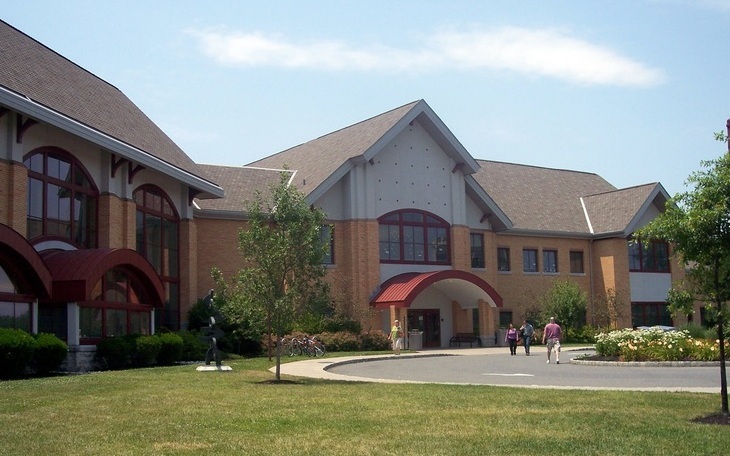
Cherry Hill Public Library
Geographic context photograph — not a crime-scene image.
Read the evidence notes
Cherry Hill Public Library. A later civic photograph gives geographic context; this is not the Neulander home or synagogue.
Commons-provided image; no content edits. The source and reuse license are linked below.
Prshopgirl · Image source · CC BY-SA 4.0
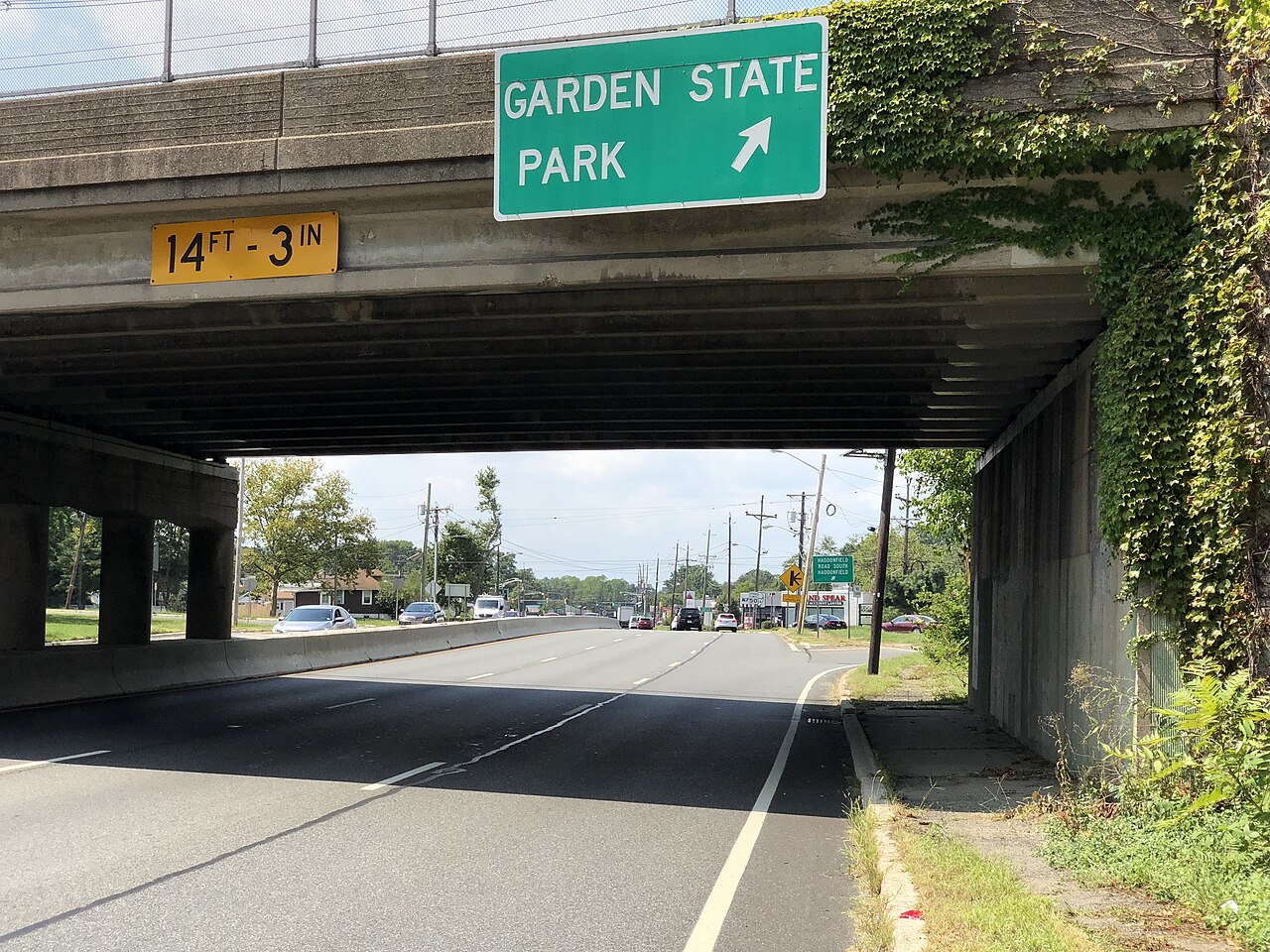
Route 38 in Cherry Hill Township, photographed in 2020
Geographic context photograph — not a crime-scene image.
Read the evidence notes
Route 38 in Cherry Hill Township, photographed in 2020. Regional context, not a documented route taken by the participants.
Commons-provided image; no content edits. The source and reuse license are linked below.
Famartin · Image source · CC BY-SA 4.0
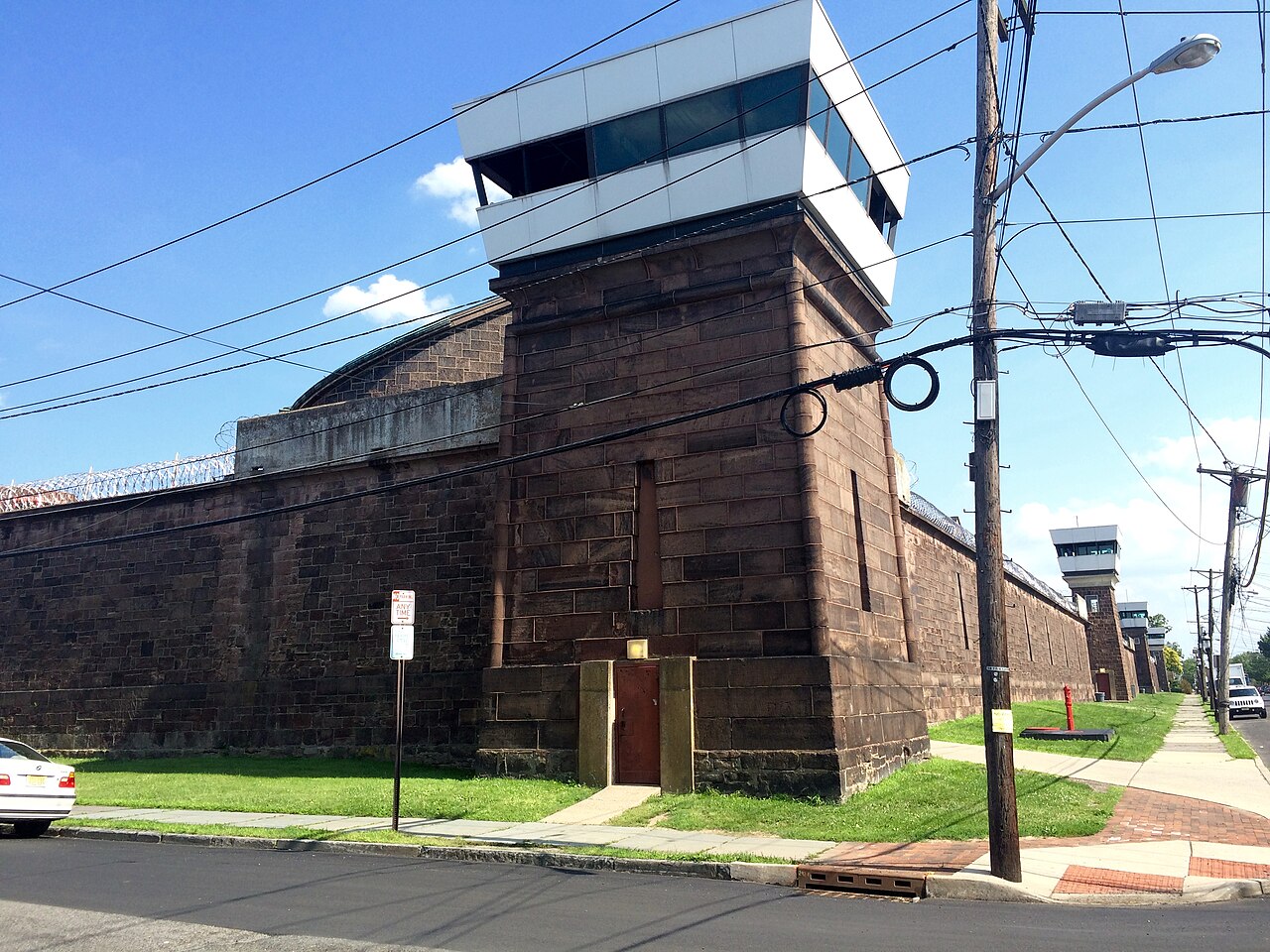
New Jersey State Prison in Trenton
Geographic context photograph — not a crime-scene image.
Read the evidence notes
New Jersey State Prison in Trenton. Institutional context for the later custody history; not a photograph of Neulander or his hospital room.
Commons-provided image; no content edits. The source and reuse license are linked below.
David Keddie · Image source · CC BY-SA 4.0
★ Key evidence used in a conviction · ✓ Exclusion or reversal · ◇ Disputed evidence · ⊘ Excluded at retrial · ◆ Identity / investigative finding, not a conviction. A symbol does not mean one item proved the whole case.
Follow the locations
Put the story on the map.
Follow the dated entries, then select an event to find its regional setting. Shared-location pins open a group of events. Evidence symbols identify important findings and their limitations.
Open the map in its own window ↗Sources & further reading
- State v. Neulander — New Jersey Appellate DivisionTrial record, visits, affair, participant testimony, physical circumstances, convictions and appeal.
- State v. Neulander — post-conviction appealProcedural history and affirmance of denial of post-conviction relief.
- Rabbi convicted of hiring men to kill wife dies — Associated PressReported death, hospital transfer and age.
- Rabbi again faces death penalty charges — JTARetrial opening and actual venue in Freehold, Monmouth County.
Editorial review: 2026-11-12 · 598 words