Dani Jo Carter was driving her close friend Diane McIver home to Atlanta on September 25, 2016. They had stopped for dinner in Conyers on their way back from the McIvers’ rural property. Diane rode in front. Her husband, Claud “Tex” McIver, sat behind her. When traffic pushed them off the interstate, he asked Diane to hand him the revolver from the center console. She passed it to him in a plastic bag. [1]
At a traffic light, Carter heard the shot. The bullet went through the back of Diane’s seat. Carter saw the revolver in Tex’s hand, still in the bag. She drove to Emory University Hospital at his direction. Diane told doctors it had been an accident. She died during surgery. [1]
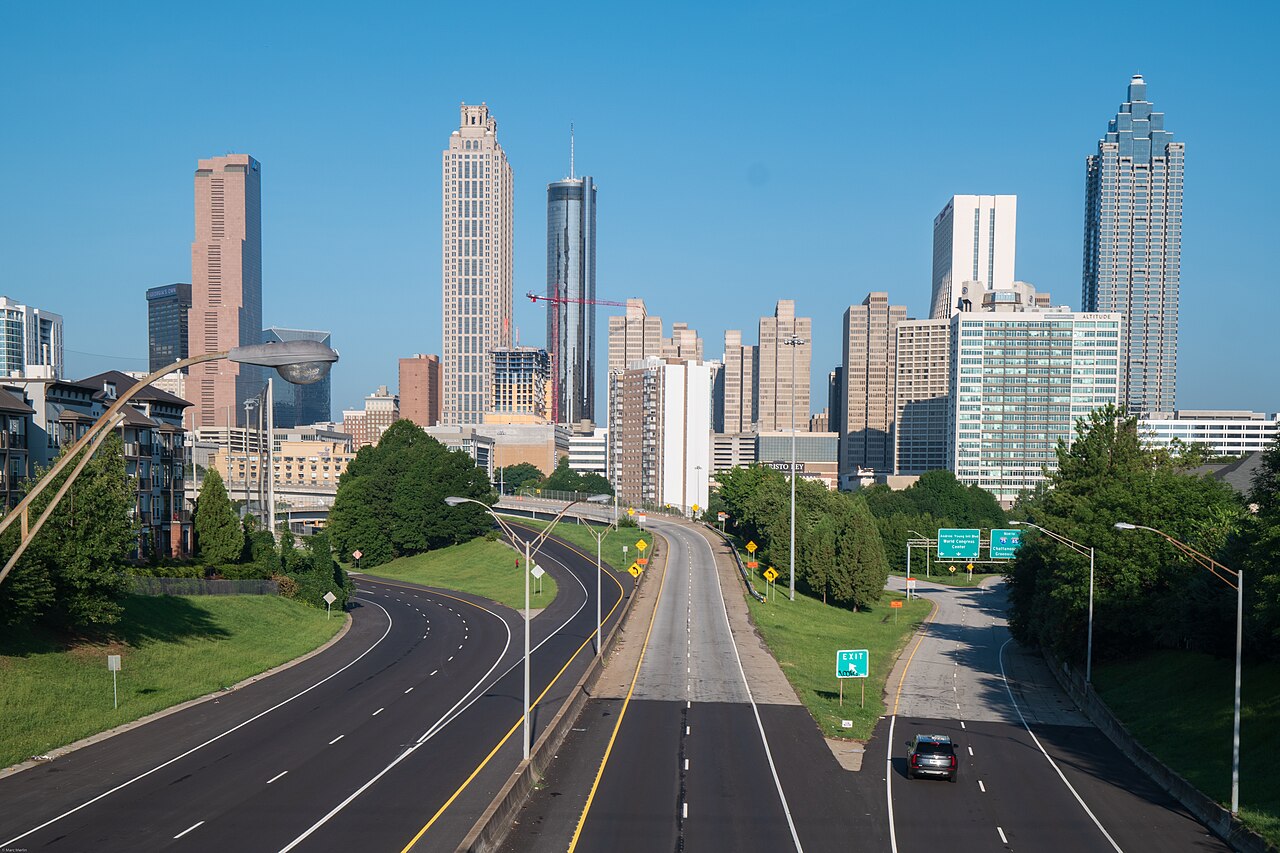
Marc Merlin · Image source · CC BY-SA 4.0 · This photograph provides setting or historical context. It is not an authentic crime exhibit.

At the hospital
Tex asked Carter to say she had come as a family friend. He wanted her to leave out that she had been driving. She refused. That request became the basis of the one conviction that would survive his appeal. [1]
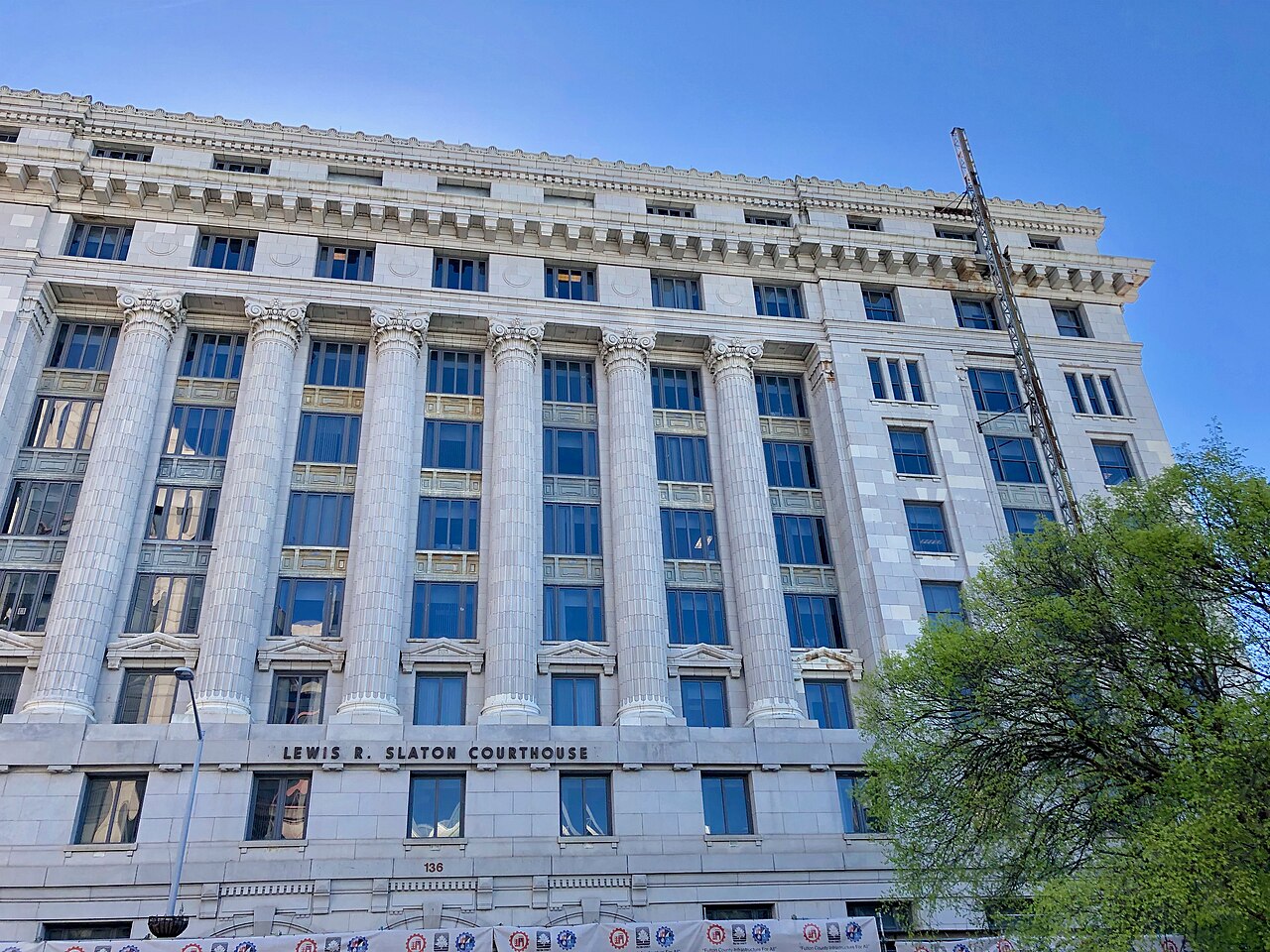
Warren LeMay from Cincinnati, OH, United States · Image source · CC0 · This photograph provides setting or historical context. It is not an authentic crime exhibit.

What the jurors asked to see
The gun worked as designed, a firearms examiner testified, and it required a trigger pull to fire. The experts disagreed about where it had been held. The state’s expert said the path of the bullet placed it above Tex’s lap. A defense expert found that the trajectory could be consistent with a lower position. Jurors asked to inspect the SUV and later told the judge they were having trouble agreeing on intent. They acquitted Tex of malice murder and convicted him of felony murder, a firearm offense and influencing a witness. [1]
Georgia law gave jurors two possible grades of involuntary manslaughter. They heard instructions on the felony form, which involves an unlawful act. The defense had also asked for the misdemeanor instruction, which applies when someone causes a death by doing a lawful thing in a criminally negligent way. The trial judge declined to give it. In 2022, the Georgia Supreme Court held there was enough evidence for the jury to consider it and reversed the felony-murder and firearm convictions. It affirmed the witness conviction. [1]
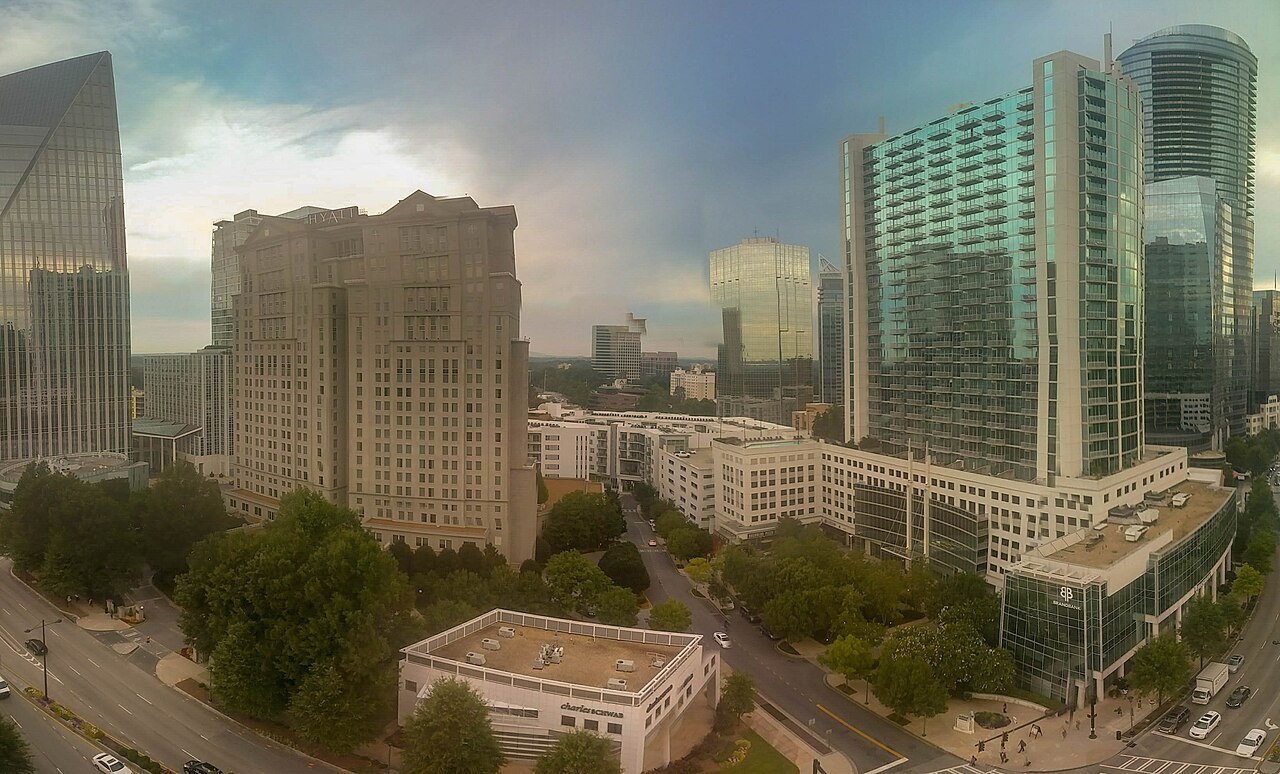
Andrew nyr · Image source · CC BY-SA 4.0 · This photograph provides setting or historical context. It is not an authentic crime exhibit.

The plea and the release
In January 2024, Tex pleaded guilty to the felony form of involuntary manslaughter, reckless conduct and a firearm offense. The judge imposed a fifteen-year sentence with eight years in custody, credit for time already served, and seven years on probation. The first five years of probation carried a nightly curfew and electronic monitoring. On January 9, 2025, the Georgia Department of Corrections confirmed his release from prison. The parole board said it had approved release ahead of the end of his prison term. [2] [3] [4]
Case brief
Atlanta, Georgia · 2016
- Recorded outcome
- The Georgia Supreme Court reversed Tex McIver’s felony-murder and related firearm convictions in 2022 and affirmed the witness-influencing conviction. He pleaded guilty to involuntary manslaughter and related offenses in 2024. Georgia corrections confirmed his release on parole in January 2025.
Key moments
People in this case
- Diane McIver
Fatally shot in the case
Photo at source · Atlanta Journal-Constitution · labeled family photographs
Look closer · 9 visuals
Inside the evidence.
Open a visual to explore what it contributed to the case—and the limits of what it shows. Photographs, historical reproductions and original illustrations are individually labeled. Open the notes for each image’s source, credit, and limitations; setting photographs do not depict crime scenes.
Three seats, one gun
Original editorial illustration — not an actual evidence photograph or exhibit.
Read the evidence notes
The seat arrangement established the shot’s basic physical context.
A simplified schematic, not a measured recreation of the actual SUV.
A trigger pull is not a motive
Original editorial illustration — not an actual evidence photograph or exhibit.
Read the evidence notes
The examiner found a functioning gun; the legal question still involved intent and culpability.
No operational gun demonstration; expert conclusions are qualified.
Experts disagreed on position
Original editorial illustration — not an actual evidence photograph or exhibit.
Read the evidence notes
The competing trajectories did not yield a single uncontested reconstruction.
No invented bullet angle or 3D crime-scene simulation.
The driver would not change her account
Original editorial illustration — not an actual evidence photograph or exhibit.
Read the evidence notes
The witness-influencing count survived the homicide reversal.
The illustration is not an original witness statement.
The option jurors never received
Original editorial illustration — not an actual evidence photograph or exhibit.
Read the evidence notes
The appellate court found some evidence supported the refused lesser-grade instruction.
This explains the 2022 ruling, not a finding of innocence.
The ending changed in court
Original editorial illustration — not an actual evidence photograph or exhibit.
Read the evidence notes
The later manslaughter plea replaced the homicide outcome of the reviewed first trial.
Do not present the reversed murder verdict as current.
Atlanta skyline from Jackson Street Bridge
Geographic context photograph — not a crime-scene image.
Read the evidence notes
Atlanta skyline from Jackson Street Bridge. Geographic context photograph; not a crime-scene image or evidence of an event shown on the map.
This photograph provides setting or historical context. It is not an authentic crime exhibit. The source and reuse terms are linked below.
Marc Merlin · Image source · CC BY-SA 4.0
Fulton County Courthouse in Atlanta
Geographic context photograph — not a crime-scene image.
Read the evidence notes
Fulton County Courthouse in Atlanta. Geographic context photograph; not a crime-scene image or evidence of an event shown on the map.
This photograph provides setting or historical context. It is not an authentic crime exhibit. The source and reuse terms are linked below.
Warren LeMay from Cincinnati, OH, United States · Image source · CC0
Buckhead business district in Atlanta
Geographic context photograph — not a crime-scene image.
Read the evidence notes
Buckhead business district in Atlanta. Geographic context photograph; not a crime-scene image or evidence of an event shown on the map.
This photograph provides setting or historical context. It is not an authentic crime exhibit. The source and reuse terms are linked below.
Andrew nyr · Image source · CC BY-SA 4.0
★ Key evidence used in a conviction · ✓ Exclusion or reversal · ◇ Disputed evidence · ⊘ Excluded at retrial · ◆ Identity / investigative finding, not a conviction. A symbol does not mean one item proved the whole case.
Follow the locations
Put the story on the map.
Follow the dated entries, then select an event to find its regional setting. Shared-location pins open a group of events. Evidence symbols identify important findings and their limitations.
Open the map in its own window ↗Sources & further reading
- McIver v. State, S22A0093 — Supreme Court of GeorgiaShooting, disputed expert evidence, financial evidence limits, jury questions and reversal scope. Government judicial opinion.
- Tex McIver pleads guilty to lesser charges — Atlanta Journal-ConstitutionLater plea and eight-year prison sentence with probation; under 200 derived words.
- Claud McIver guilty plea and sentencing transcript — Fulton County Superior CourtPlea counts, aggregate 15-year sentence split between eight years to serve with credit and seven years of probation, and the curfew and monitoring terms.
- Tex McIver out of prison — WSB-TVGeorgia Department of Corrections confirmation of release and parole board statement, with a linked copy of the parole certificate.
Editorial review: 2026-11-12 · 441 words