Before Nancy Dillard Lyon went to the hospital, she had told her doctor and her divorce lawyer about a soft drink that tasted strange and a bottle of wine that appeared to have been opened. Her children’s former nanny later brought the bottle and some capsules to the hospital. The wine tested negative for toxic substances. Two capsules contained barium carbonate. After Nancy died on January 14, 1991, the medical examiner found lethal levels of arsenic in her organs. [1]

Matthew T Rader · Image source · CC BY-SA 4.0 · This photograph provides setting or historical context. It is not an authentic crime exhibit.

Before the hospital
Nancy and Richard Lyon had met while studying design at Harvard. They married in 1982 and had two daughters. Richard moved out in February 1990 and filed for divorce that September. The couple tried to reconcile over Christmas, and the divorce action was dismissed on January 2. Nancy became severely ill six days later. [1]
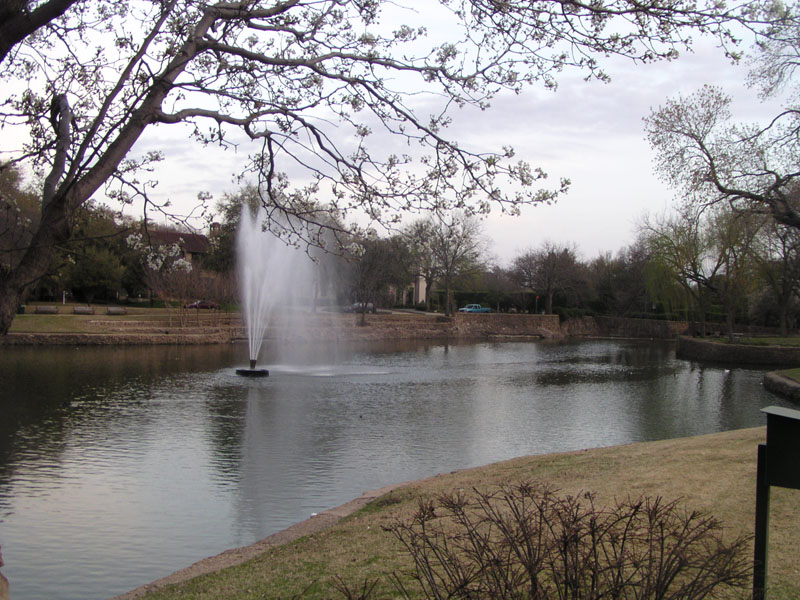
Drumguy8800 at English Wikipedia · Image source · CC BY-SA 3.0 · This photograph provides setting or historical context. It is not an authentic crime exhibit.

The delivery on December 27
A laboratory supplier testified that Richard ordered barium carbonate and other chemicals in August 1990. On November 27 he ordered compounds including arsenic trioxide. The check for that order was marked “fire ant poison.” A receptionist named Lisa Ann Struven testified that she signed for a delivery for Richard on December 27. The supplier’s record named Struven as the person who received the arsenic shipment. [1]
Richard initially denied buying chemicals when a detective asked him about it. During the same interview, he acknowledged several purchases and said he threw the chemicals away without using them. At trial, he said he had been working on ways to kill fire ants and had never received the arsenic order. A contractor preparing Richard’s former duplex for another tenant testified that he found a bag of empty capsules and a jar of similar-looking vitamins after Richard moved out. [1]
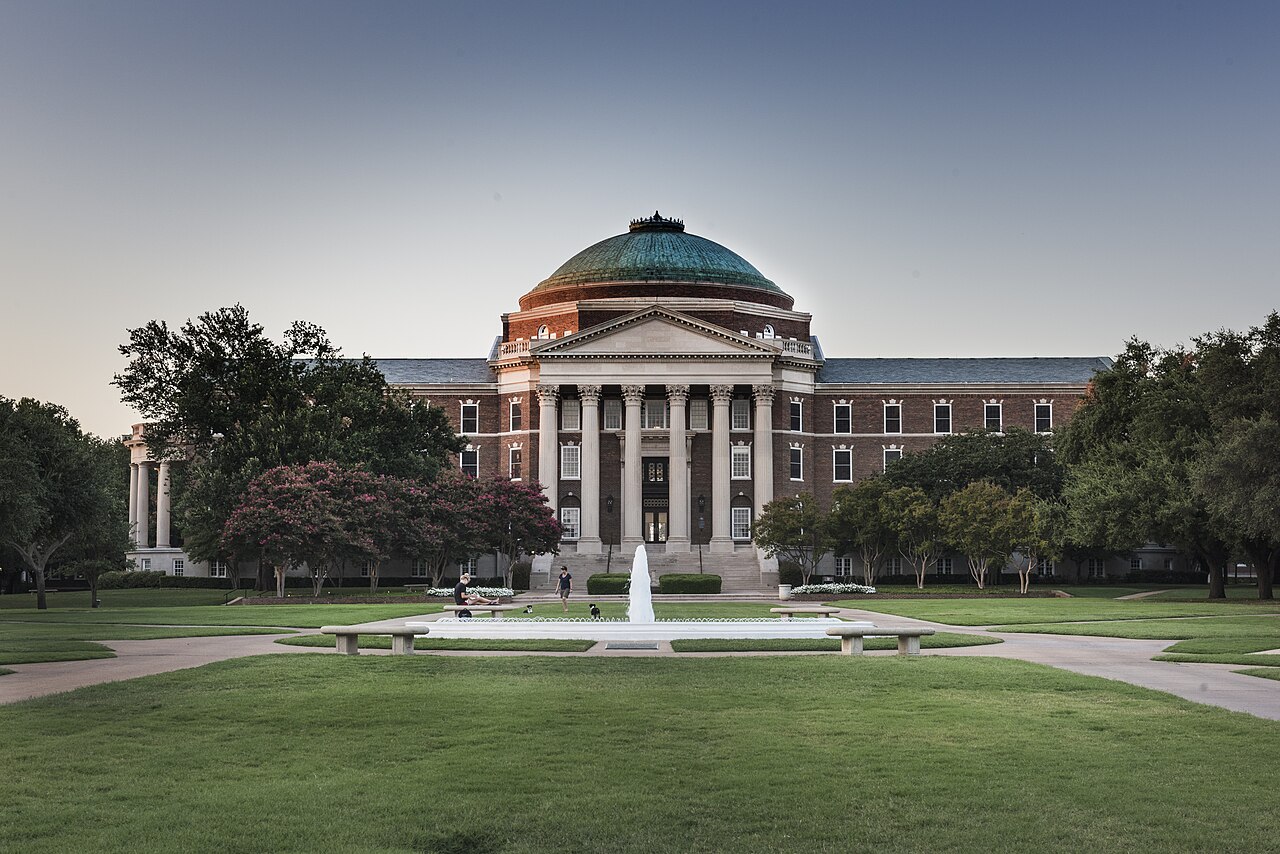
Carol M. Highsmith · Lyda Hill Texas Collection, Library of Congress · Image source · Public domain · This photograph provides setting or historical context. It is not an authentic crime exhibit.

Whose writing was it?
Richard’s defense offered documents it said showed Nancy’s involvement in the pest-control project and concerns about other people. Marvin Morgan, a handwriting examiner called by the defense, attributed several questioned writings to Nancy. The prosecution’s examiner, Hartford Kittel, challenged the authorship of some writings attributed to her. He compared them with samples from both spouses and attributed part of one note to Richard. Jurors heard the disagreement over who had written what, alongside the supplier’s records and the toxicology. [1]
The jury convicted Richard of murder. The court imposed a life sentence and a $10,000 fine. The defense sought a new trial using additional handwriting material and expert analysis. In 1994, the Texas Court of Appeals upheld the denial and affirmed the judgment, concluding that the jury had sufficient evidence to convict. The opinion leaves the exact means by which Nancy ingested the fatal arsenic undetermined. [1] [2]
Case brief
University Park, Texas · 1991
- Recorded outcome
- Richard Allen Abood Lyon convicted of murder, sentenced to life and a $10,000 fine; judgment affirmed in the 1994 appellate opinion.
Key moments
People in this case
- Nancy Dillard Lyon
Murder victim and architect
Photo at source · Forensic Files Files · labeled archival photograph - Richard Lyon
Convicted of murdering Nancy Dillard Lyon
Photo at source · Forensic Files Files · courtroom still
Look closer · 9 visuals
Inside the evidence.
Open a visual to explore what it contributed to the case—and the limits of what it shows. Photographs, historical reproductions and original illustrations are individually labeled. Open the notes for each image’s source, credit, and limitations; setting photographs do not depict crime scenes.
A purchase, a delivery, an exposure
Original editorial illustration — not an actual evidence photograph or exhibit.
Read the evidence notes
Separate witnesses connected chemical purchases, receipt and fatal exposure.
This is not an original invoice or a recipe.
Not every item tested positive
Original editorial illustration — not an actual evidence photograph or exhibit.
Read the evidence notes
The tested wine contained no toxic substance; the fatal exposure was proved separately.
Suspicion is not a positive laboratory result.
Whose handwriting was it?
Original editorial illustration — not an actual evidence photograph or exhibit.
Read the evidence notes
The expert reached different conclusions about different documents.
No handwriting facsimile or forged signature is reproduced.
Reconciliation on the calendar
Original editorial illustration — not an actual evidence photograph or exhibit.
Read the evidence notes
The short interval between reconciliation and illness gave context to other evidence.
Sequence alone does not prove causation.
Competing explanations at trial
Original editorial illustration — not an actual evidence photograph or exhibit.
Read the evidence notes
Richard denied murder and offered alternative explanations challenged by other evidence.
Unadjudicated allegations about relatives are not presented as fact.
An altered bottle is not the fatal dose
Original editorial illustration — not an actual evidence photograph or exhibit.
Read the evidence notes
The later capsule discovery supported the investigation with explicit toxicity limits.
No claim that this bottle supplied the fatal arsenic.
Dallas skyline at dusk
Geographic context photograph — not a crime-scene image.
Read the evidence notes
Dallas skyline at dusk. Geographic context photograph; not a crime-scene image or evidence of an event shown on the map.
This photograph provides setting or historical context. It is not an authentic crime exhibit. The source and reuse terms are linked below.
Matthew T Rader · Image source · CC BY-SA 4.0
A public park in University Park
Geographic context photograph — not a crime-scene image.
Read the evidence notes
A public park in University Park. Geographic context photograph; not a crime-scene image or evidence of an event shown on the map.
This photograph provides setting or historical context. It is not an authentic crime exhibit. The source and reuse terms are linked below.
Drumguy8800 at English Wikipedia · Image source · CC BY-SA 3.0
Dallas Hall at Southern Methodist University
Geographic context photograph — not a crime-scene image.
Read the evidence notes
Dallas Hall at Southern Methodist University. Geographic context photograph; not a crime-scene image or evidence of an event shown on the map.
This photograph provides setting or historical context. It is not an authentic crime exhibit. The source and reuse terms are linked below.
Carol M. Highsmith · Lyda Hill Texas Collection, Library of Congress · Image source · Public domain
★ Key evidence used in a conviction · ✓ Exclusion or reversal · ◇ Disputed evidence · ⊘ Excluded at retrial · ◆ Identity / investigative finding, not a conviction. A symbol does not mean one item proved the whole case.
Follow the locations
Put the story on the map.
Follow the dated entries, then select an event to find its regional setting. Shared-location pins open a group of events. Evidence symbols identify important findings and their limitations.
Open the map in its own window ↗Sources & further reading
- Lyon v. State, 885 SW2d 506 — Texas Court of AppealsMedical testimony, chemical purchase and delivery records, competing defenses, handwriting testimony and affirmance. Government judicial text.
- Lyon v. State — independent judicial-text archiveCorroborating text of the same opinion; not an independent investigation or a second factual source.
Editorial review: 2026-11-12 · 442 words