At a warehouse in Omaha, librarians sat at ten computer terminals typing in titles from books the FBI had brought over from Iowa. Many of the books had lost their library stamps and bookplates. The FBI had also found several scrapbooks. Inside them were bookplates and catalog-card pockets Stephen Blumberg had removed and kept. The librarians could use the things he’d peeled away to work out where a book belonged. [3] [4]
Two years earlier, in 1988, Washington State University had noticed rare material missing. Investigator J. Stephen Huntsberry turned to the university’s librarians to learn how the collection was organized and how someone might have taken things without drawing attention. In March 1990, the FBI seized thousands of items from Blumberg’s house in Ottumwa. The federal appeals court put the scale of his book thefts at more than 150 institutions over fifteen years. [1] [2] [3]
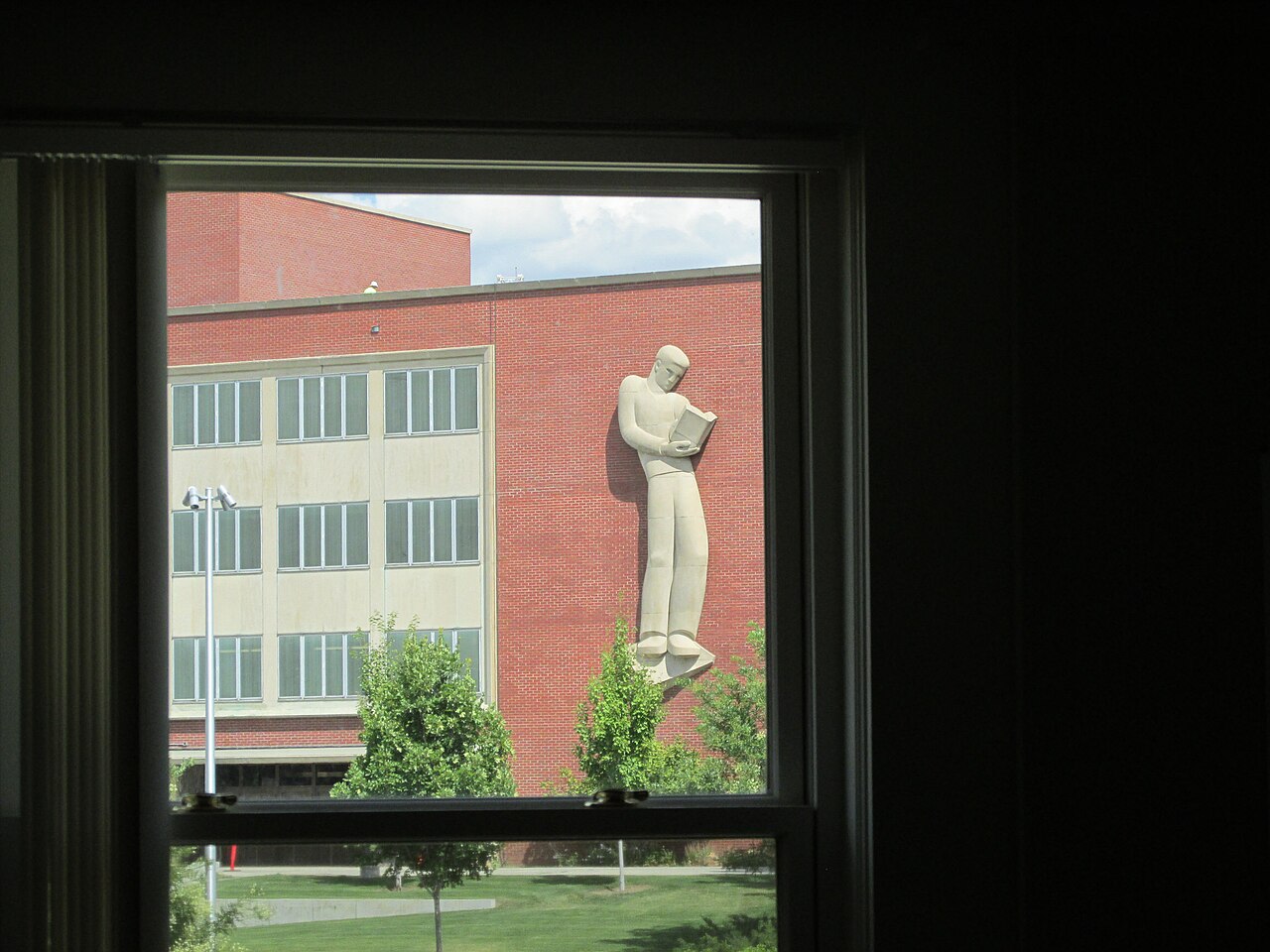
Robert Ashworth from Bellingham, WA., USA · Image source · CC BY 2.0 · This photograph provides setting or historical context. It is not an authentic crime exhibit.

Finding the owners
About forty volunteers from sixteen libraries joined the sorting effort. Creighton University sent ten people, among them the Rev. Gregory Carlson, who helped with titles in other languages. A catalog search could tell them what edition they were holding. The ownership marks could tie an individual copy to a particular institution. Blumberg himself came to the warehouse while out on bail and helped identify items under the FBI’s supervision. [3]
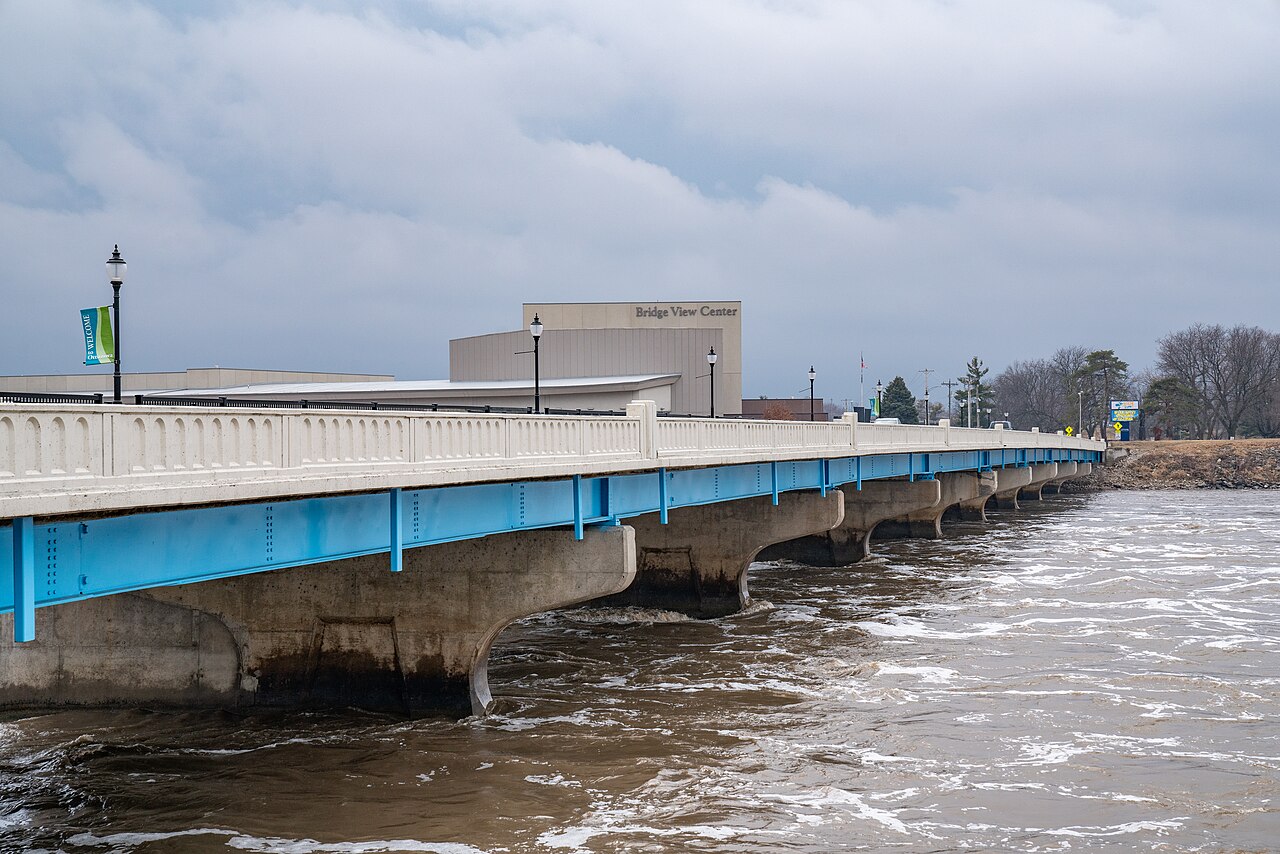
Tony Webster from Minneapolis, Minnesota, United States · Image source · CC BY 2.0 · This photograph provides setting or historical context. It is not an authentic crime exhibit.

The books without a claim
Librarians contacted owners and began sending material back. Creighton says about four thousand items still had no claimant by 1993. The FBI gave those to the university. Creighton kept some and distributed about three thousand books to other libraries in the area. [3] [4]
McGhiever · Image source · CC BY 4.0 · This photograph provides setting or historical context. It is not an authentic crime exhibit.

The question from the jury
Blumberg admitted the acts underlying the federal charges and argued that he was legally insane when he committed them. Two defense experts testified that he had a delusional disorder. A government expert disputed that he had a severe mental disorder. During deliberations, jurors asked whether delusion meant the same thing as the severe mental disease or defect described in their instructions. The judge told them to consider the instructions as a whole and decide the question from the evidence. [1]
The jury convicted him on conspiracy, transportation and possession charges involving books, stained glass and other property. He received seventy-one months in prison and a $200,000 fine. The Eighth Circuit affirmed in 1992. [1]
Case brief
Ottumwa, Iowa · 1990
- Recorded outcome
- Blumberg convicted of four federal offenses, sentenced to 71 months and a $200,000 fine; conviction and sentence affirmed April 1992, rehearing denied May 1992.
Key moments
People in this case
- Stephen Blumberg
Convicted of transporting stolen books
Photo at source · Creighton University · university archive
Look closer · 9 visuals
Inside the evidence.
Open a visual to explore what it contributed to the case—and the limits of what it shows. Photographs, historical reproductions and original illustrations are individually labeled. Open the notes for each image’s source, credit, and limitations; setting photographs do not depict crime scenes.
Books without their ownership marks
Original editorial illustration — not an actual evidence photograph or exhibit.
Read the evidence notes
The recovery effort had to establish provenance, not merely find a matching title.
Generic book and label illustration; no actual stolen volume is pictured.
A scrapbook became a clue
Original editorial illustration — not an actual evidence photograph or exhibit.
Read the evidence notes
Surviving identifying material could reconnect stolen volumes to institutions.
Not a reproduction of Blumberg’s actual scrapbooks.
Four counts, more than books
Original editorial illustration — not an actual evidence photograph or exhibit.
Read the evidence notes
The federal indictment included other stolen property as well as the book collection.
Not four separate counts for four libraries.
Experts described different conditions
Original editorial illustration — not an actual evidence photograph or exhibit.
Read the evidence notes
Psychiatric testimony conflicted; the jury rejected the legal insanity defense.
No diagnosis is assigned by this publication.
The jury’s question
Original editorial illustration — not an actual evidence photograph or exhibit.
Read the evidence notes
The judge directed jurors to assess the evidence rather than supply the requested new factual conclusion.
This is a paraphrase, not a facsimile of the jury note.
Recovery extended beyond a verdict
Original editorial illustration — not an actual evidence photograph or exhibit.
Read the evidence notes
Librarians’ work continued independently of the criminal trial.
The diagram does not assert that every item was returned.
Holland Library at Washington State University in Pullman
Geographic context photograph — not a crime-scene image.
Read the evidence notes
Holland Library at Washington State University in Pullman. Geographic context photograph; not a crime-scene image or evidence of an event shown on the map.
This photograph provides setting or historical context. It is not an authentic crime exhibit. The source and reuse terms are linked below.
Robert Ashworth from Bellingham, WA., USA · Image source · CC BY 2.0
Des Moines River and Bridge View Center in Ottumwa
Geographic context photograph — not a crime-scene image.
Read the evidence notes
Des Moines River and Bridge View Center in Ottumwa. Geographic context photograph; not a crime-scene image or evidence of an event shown on the map.
This photograph provides setting or historical context. It is not an authentic crime exhibit. The source and reuse terms are linked below.
Tony Webster from Minneapolis, Minnesota, United States · Image source · CC BY 2.0
The modern federal courthouse in Des Moines
Modern setting — not the 1991 trial courthouse.
Read the evidence notes
The modern federal courthouse in Des Moines. Modern geographic context; this is not the building in which the 1991 trial took place.
This photograph provides setting or historical context. It is not an authentic crime exhibit. The source and reuse terms are linked below.
McGhiever · Image source · CC BY 4.0
★ Key evidence used in a conviction · ✓ Exclusion or reversal · ◇ Disputed evidence · ⊘ Excluded at retrial · ◆ Identity / investigative finding, not a conviction. A symbol does not mean one item proved the whole case.
Follow the locations
Put the story on the map.
Follow the dated entries, then select an event to find its regional setting. Shared-location pins open a group of events. Evidence symbols identify important findings and their limitations.
Open the map in its own window ↗Sources & further reading
- United States v. Blumberg, 961 F2d 787 — Eighth CircuitCharged offenses, admitted acts, disputed psychiatric evidence, jury question, leadership role and affirmance.
- The collectors — Washington State MagazineInstitutional interviews about WSU losses and the 1988 investigation; derived text under 200 words.
- A book bandit, Omaha Project and Creighton detectives — Creighton UniversityParticipant memories, sorting work, provenance and the returned collection; derived text under 200 words.
- Stephen Blumberg and his stolen books — Abbey NewsletterContemporary library recovery report; short limited paraphrase.
Editorial review: 2026-11-12 · 386 words