Tynesha Stewart left her phone at a friend’s apartment and said she’d be back. She was home in Houston from Texas A&M for spring break in March 2007. There was a concert she planned to go to and a trip she’d talked about. Timothy Shepherd picked her up early on March 15. She missed the concert and never came back for the phone. [1]
Tynesha’s sister spoke with her that day and learned she was with Shepherd. A neighbor remembered seeing her on the stairs to his apartment. When Tynesha’s friend reached out to the family, people had a good reason to think she’d been with him and very little to tell them where she’d gone afterward. [1]
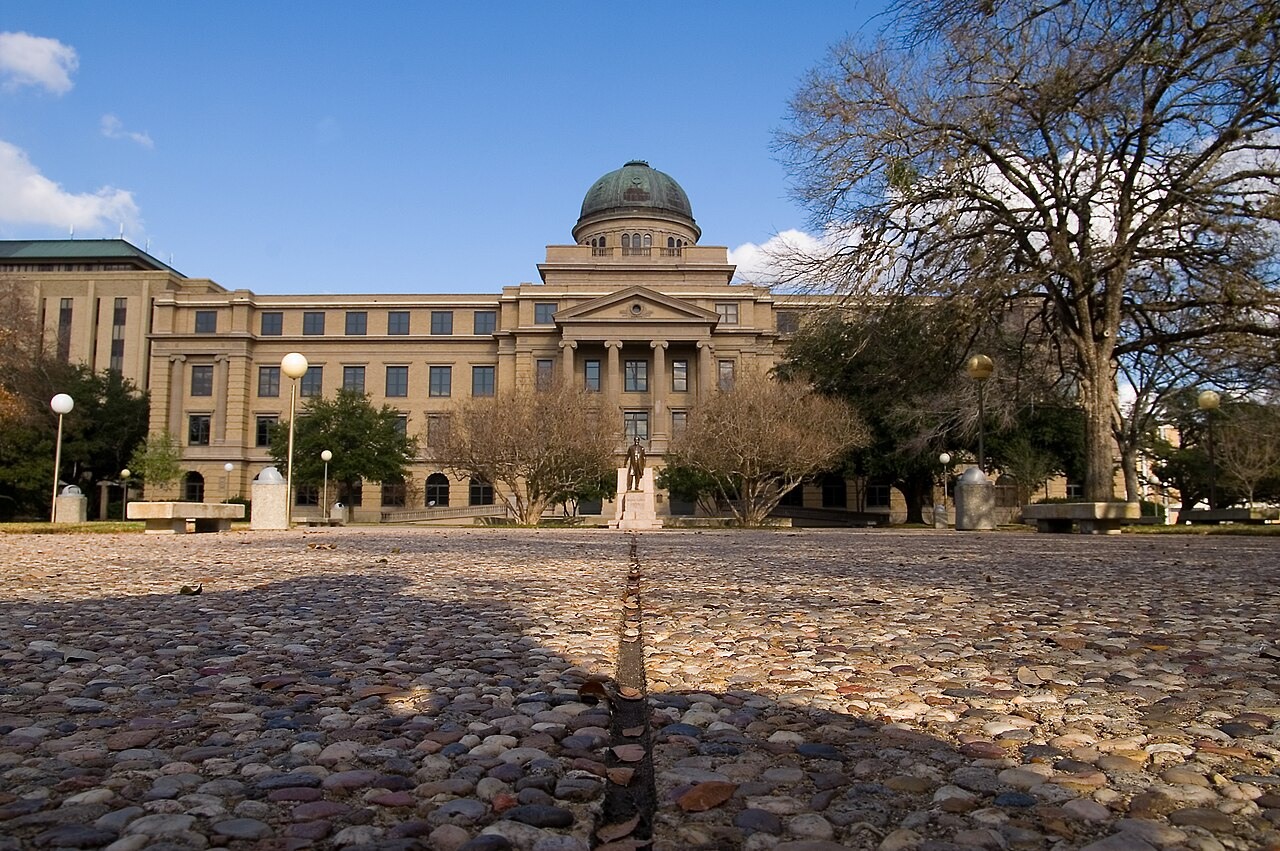
Stu Seeger · Image source · CC BY 2.0

The visit to the apartment
Firefighters and a deputy responded to a fire on Shepherd’s patio. A neighbor had lent him a grill and could tell investigators what normally happened when he used it and what had been different that weekend. The responders could describe what they saw, though the deputy hadn’t identified evidence of a crime during the visit. [1]
On March 19 a deputy went to the apartment with Tynesha’s mother and friend. Shepherd allowed a look around. Later, community activist Quanell X met him while helping the family search. With a sheriff’s sergeant present, Shepherd directed the group to a dumpster at another complex and indicated he’d put Tynesha there. Investigators later obtained a warrant and searched the apartment again. [1]

Astronautilus · Image source · CC BY 2.0

What the lab could tell the jury
Investigators took drains and a garbage disposal. An analyst testified about a blood mixture on jeans and material from the disposal. Tynesha couldn’t be excluded as a possible contributor to some of the material, a result with a narrower meaning than a unique identification. A forensic anthropologist examined fragments recovered below the patio. Jurors weighed those findings with the accounts of the people who’d seen Tynesha or visited the apartment. [1]
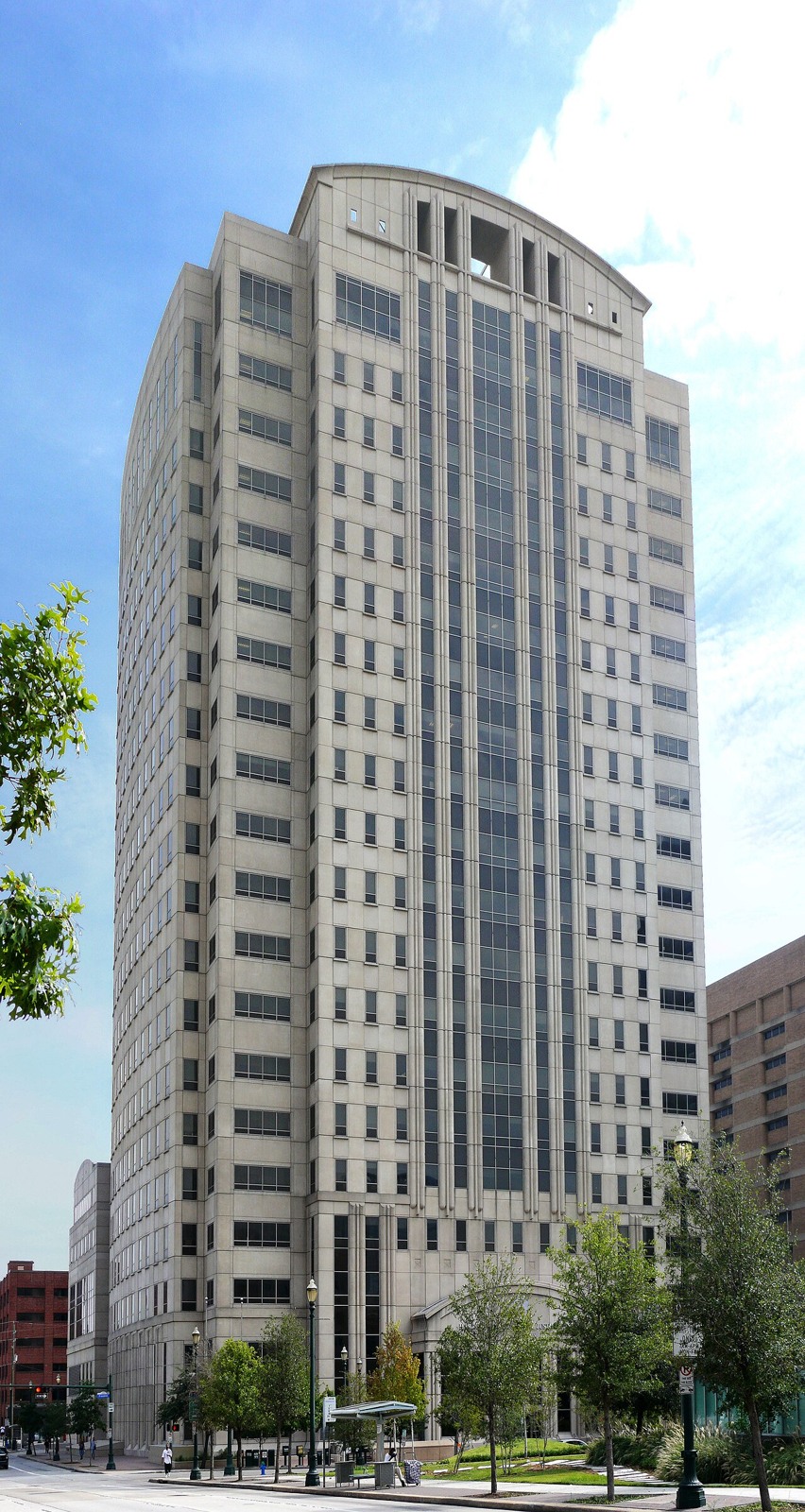
i_am_jim · Image source · CC BY-SA 3.0

What jurors heard after they decided guilt
The jury convicted Shepherd of murder. During the punishment phase, he testified that he strangled Tynesha and described what he did afterward. By then the jury had already decided guilt. It assessed a ninety-nine-year sentence. [1] [2]
The Texas Fourteenth Court of Appeals affirmed in 2011. In reviewing the request for a self-defense instruction, the court looked at what the jury had heard before it returned a verdict. Shepherd’s later testimony couldn’t supply the basis for an instruction jurors would have needed earlier. A federal court denied habeas relief in 2018. [1] [2]
Case brief
Houston and College Station, Texas · 2007
- Recorded outcome
- Timothy Shepherd convicted of murder and sentenced to 99 years. The direct appeal failed in 2011. Federal habeas relief was denied in 2018.
Key moments
People in this case
- Tynesha Stewart
Murder victim
Photo at source · The Charley Project · case photographs - Timothy Shepherd
Convicted of Tynesha Stewart’s murder
Photo at source · The Charley Project · labeled photograph
Look closer · 9 visuals
Inside the evidence.
Open a visual to explore what it contributed to the case—and the limits of what it shows. Photographs, historical reproductions and original illustrations are individually labeled. Open the notes for each image’s source, credit, and limitations; setting photographs do not depict crime scenes.
The last known contacts
Original editorial illustration — not an actual evidence photograph or exhibit.
Read the evidence notes
Independent observations placed Tynesha with Shepherd or at his building.
They do not record what occurred inside.
The searches developed in stages
Original editorial illustration — not an actual evidence photograph or exhibit.
Read the evidence notes
Police had distinct bases for different searches.
Presumptive findings do not establish identity.
What the mixtures showed
Original editorial illustration — not an actual evidence photograph or exhibit.
Read the evidence notes
Testing did not exclude Tynesha from some samples.
Possible inclusion is less specific than a unique identification.
Fragment analysis
Original editorial illustration — not an actual evidence photograph or exhibit.
Read the evidence notes
The expert explained similarities and uncertainty.
The analysis did not identify the fragments to Tynesha.
A search without recovery
Original editorial illustration — not an actual evidence photograph or exhibit.
Read the evidence notes
Police checked the place Shepherd identified.
A lead is distinct from a physical recovery.
The order the jury heard it
Original editorial illustration — not an actual evidence photograph or exhibit.
Read the evidence notes
Shepherd testified after the guilty verdict.
The earlier police confession was not introduced in the guilt phase.
The Academic Building at Texas A&M University in College Station
Setting photograph for geographic context.
Read the evidence notes
The Academic Building at Texas A&M University in College Station. The image does not depict the crime or an evidence exhibit.
The image does not depict the crime or an evidence exhibit. The source and reuse terms are linked below.
Stu Seeger · Image source · CC BY 2.0
Downtown Houston and Buffalo Bayou
Setting photograph for geographic context.
Read the evidence notes
Downtown Houston and Buffalo Bayou. The image does not depict the crime or an evidence exhibit.
The image does not depict the crime or an evidence exhibit. The source and reuse terms are linked below.
Astronautilus · Image source · CC BY 2.0
Harris County Criminal Justice Center in Houston
Setting photograph for geographic context.
Read the evidence notes
Harris County Criminal Justice Center in Houston. The image does not depict the crime or an evidence exhibit.
The image does not depict the crime or an evidence exhibit. The source and reuse terms are linked below.
i_am_jim · Image source · CC BY-SA 3.0
★ Key evidence used in a conviction · ✓ Exclusion or reversal · ◇ Disputed evidence · ⊘ Excluded at retrial · ◆ Identity / investigative finding, not a conviction. A symbol does not mean one item proved the whole case.
Follow the locations
Put the story on the map.
Follow the dated entries, then select an event to find its regional setting. Shared-location pins open a group of events. Evidence symbols identify important findings and their limitations.
Open the map in its own window ↗Sources & further reading
- Shepherd v. State · Texas Fourteenth Court of AppealsDisappearance, searches, forensic limitations, phase of admission and affirmance.
- Shepherd v. Davis · U.S. District Court habeas orderFederal review, procedural history and dismissal.
Editorial review: 2026-11-12 · 422 words