On August 5, 1980, Rolf Neslund ordered new eyeglass lenses. He never picked them up. The day before, he’d written to his brother and sister-in-law in Norway about their plans to visit the United States that October for his eightieth birthday. They heard nothing more from him. [1]
Rolf’s wife, Ruth, said he left their Lopez Island home on August 14 and told her he was going to Norway. A jury later found that she’d murdered him. Before prosecutors could ask who had killed Rolf, they needed evidence that he’d died at all. His relatives had a letter about a visit. Investigators had no body. [1]
Compdude123 · Image source · CC BY-SA 3.0 · Commons-provided resized image; no content edits.

The people who expected him
Rolf was a retired maritime pilot. In the Seattle area, his name was already associated with a ship’s collision with the West Seattle Bridge in 1978. On Lopez Island, the people who knew him could tell investigators what he’d planned in the days before he disappeared. He’d arranged to see a friend on August 12. By January, a retired pilot named Gunnar Olsborg had contacted the sheriff and placed newspaper advertisements offering a reward for information. [1] [2]
Witnesses described a marriage marked by violence and disputes over money. Records showed a $50,000 money-market certificate redeemed and reissued in Ruth’s name in 1979. A deputy described responding to a domestic incident the following June. Rolf had also spoken to the mother of his sons about changing his will to provide for them. The state used the records and testimony to explain why it questioned the account of a sudden departure. [1]
The room that changed
Ruth’s niece Joy Stroup said Ruth had called on August 8 and said she’d shot Rolf. Ruth denied the killing. Other witnesses reported admissions, including a friend who acknowledged she’d previously denied hearing one while under oath. Ruth’s brother Paul Meyers also testified about conversations he overheard. The court considered whether Ruth’s silence in particular exchanges could support an inference that she accepted what was said in her presence. The judges recognized that silence can have several explanations. [1]
Bureau of Land Management Oregon and Washington from Portland, America · Image source · Public domain · Commons-provided resized image; no content edits.


What investigators found in the house
Inside the house, investigators found blood traces, including behind the living-room couch and on parts of the ceiling. Some blood was human, and some was type A, which was Rolf’s blood type. That group was shared by many people. Prosecutors also pointed to the replacement couch and carpet and work on the ceiling. They argued that the timing and the places where blood remained were evidence of cleanup. [1]
Police recovered a handgun with tiny blood traces in 1982. The defense said Ruth had obtained it after the alleged shooting. The state disputed the timing. The appeals court upheld the decision to let jurors consider the gun, whose role remained disputed. [1]
Jelson25 · Image source · Public domain · Commons-provided resized image; no content edits.


What the state had to establish
Washington’s Court of Appeals said the state needed evidence of a death by criminal means independent of the reported admissions. The judges considered the blood, changes to the house, the accounts of violence and the unexplained disappearance. Taken together, those facts met the threshold for jurors to consider the statements attributed to Ruth. The jury still had to find guilt beyond a reasonable doubt. [1]
Jurors convicted Ruth of premeditated first-degree murder in December 1985. She received 20 years to life, the appeals court affirmed in 1988, and she died in prison in 1993. Rolf’s body remained missing. The relatives he wrote to in August had been planning an October birthday visit. At the time of the trial, they still hadn’t heard from him since before he disappeared. [1] [2]
Case brief
Lopez Island / Friday Harbor, Washington · 1980
- Recorded outcome
- Ruth Neslund convicted of first-degree murder in 1985; conviction affirmed in 1988. Sentenced to 20 years to life; died in prison in 1993.
Key moments
People and case photographs
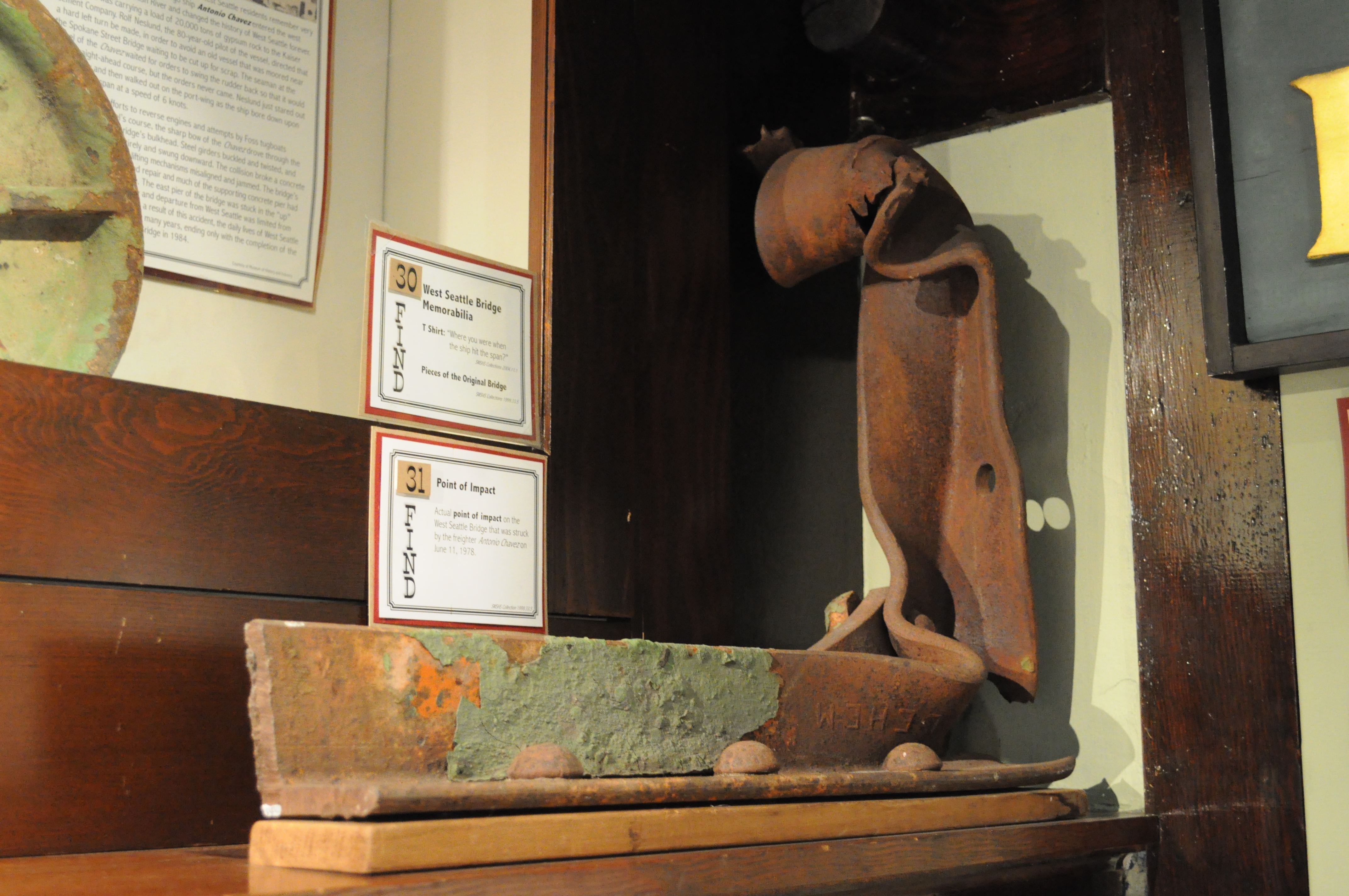
Steel from the 1978 bridge collision A damaged section of the old West Seattle Bridge on display at the Log House Museum in 2009. Rolf Neslund was the pilot aboard the freighter Chávez when it struck the bridge.
Museum artifact photograph · Joe Mabel · CC BY-SA 3.0- Rolf Neslund
Murder victim and ship pilot
Photo at source · HistoryLink · archival case photograph - Ruth Neslund
Convicted of murdering Rolf Neslund
Photo at source · HistoryLink · archival case photograph
Look closer · 10 visuals
Inside the evidence.
Open a visual to explore what it contributed to the case—and the limits of what it shows. Photographs, historical reproductions and original illustrations are individually labeled. Open the notes for each image’s source, credit, and limitations; setting photographs do not depict crime scenes.
The letter before the silence
Original editorial illustration — not an actual evidence photograph or exhibit.
Read the evidence notes
Rolf’s letter to family in Norway supported expectations inconsistent with a wholly unexplained disappearance.
A letter alone cannot prove a death or establish who caused it.
Two August accounts
Original editorial illustration — not an actual evidence photograph or exhibit.
Read the evidence notes
Witnesses placed reported admissions on August 8; Ruth said Rolf left for Norway on August 14.
The claimed trip was not verified. The graphic does not plot a journey.
A room’s changing surfaces
Original editorial illustration — not an actual evidence photograph or exhibit.
Read the evidence notes
The court evaluated changes inside the home with blood-tainted material recovered by investigators.
No floor plan is reproduced. Renovations acquire significance from context, not from their existence alone.
Blood type is not identity
Original editorial illustration — not an actual evidence photograph or exhibit.
Read the evidence notes
Some recovered blood was human and type A, consistent with Rolf’s blood group.
Many people share a blood type. Trial expert interpretations are not a unique identification.
Witnesses and admissions
Original editorial illustration — not an actual evidence photograph or exhibit.
Read the evidence notes
Stroup, Meyers and Stafford described different conversations; Stafford admitted earlier false testimony.
These are recollections, not audio recordings. Allegations about Robert are not a verdict against him.
The two questions for the court
Original editorial illustration — not an actual evidence photograph or exhibit.
Read the evidence notes
Independent evidence supported considering reported admissions; jurors still had to determine guilt beyond a reasonable doubt.
The preliminary corpus-delicti threshold differs from the ultimate trial burden.
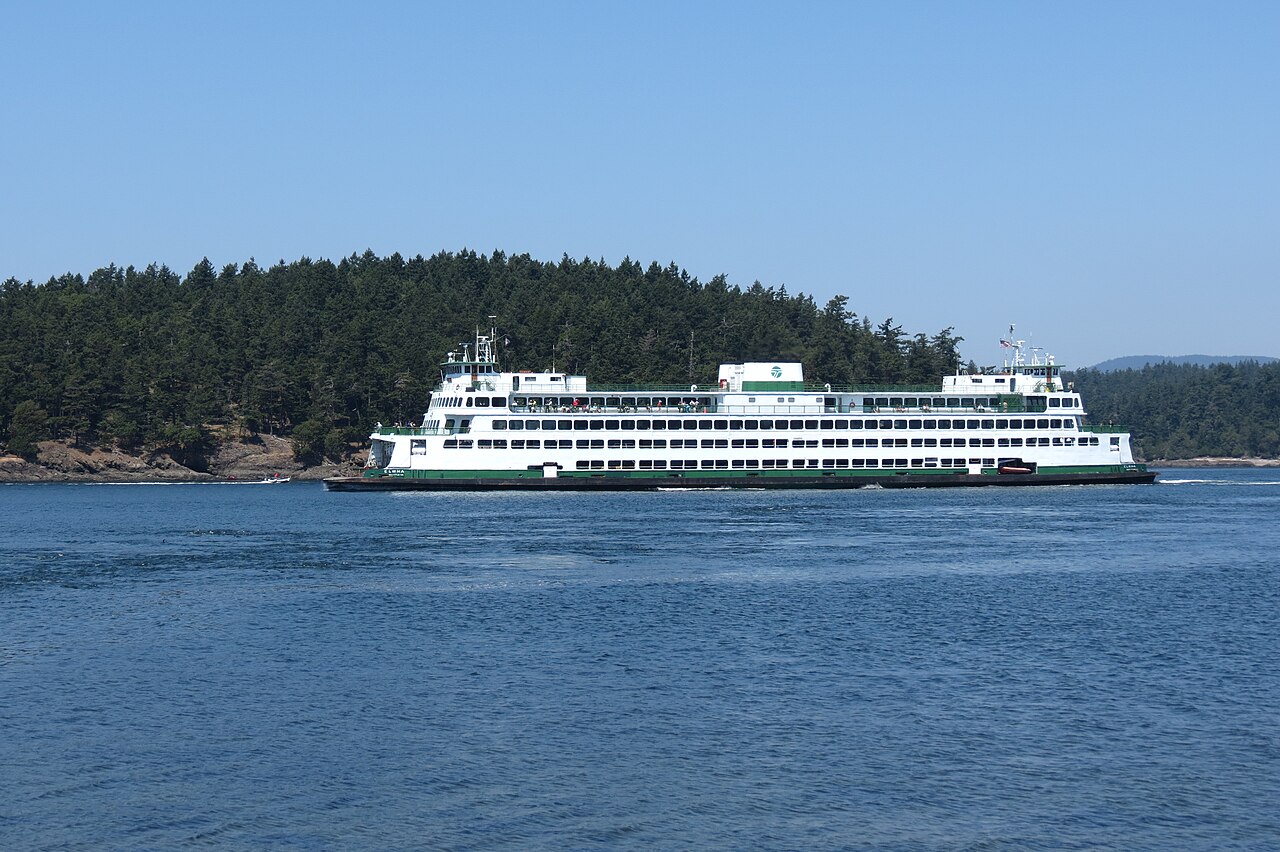
The ferry Elwha passing Flat Point on Lopez Island
Geographic context photograph — not a crime-scene image.
Read the evidence notes
The ferry Elwha passing Flat Point on Lopez Island. Later geographic context; no claim that this vessel carried anyone in the case.
Commons-provided resized image; no content edits. The source and reuse license are linked below.
Compdude123 · Image source · CC BY-SA 3.0
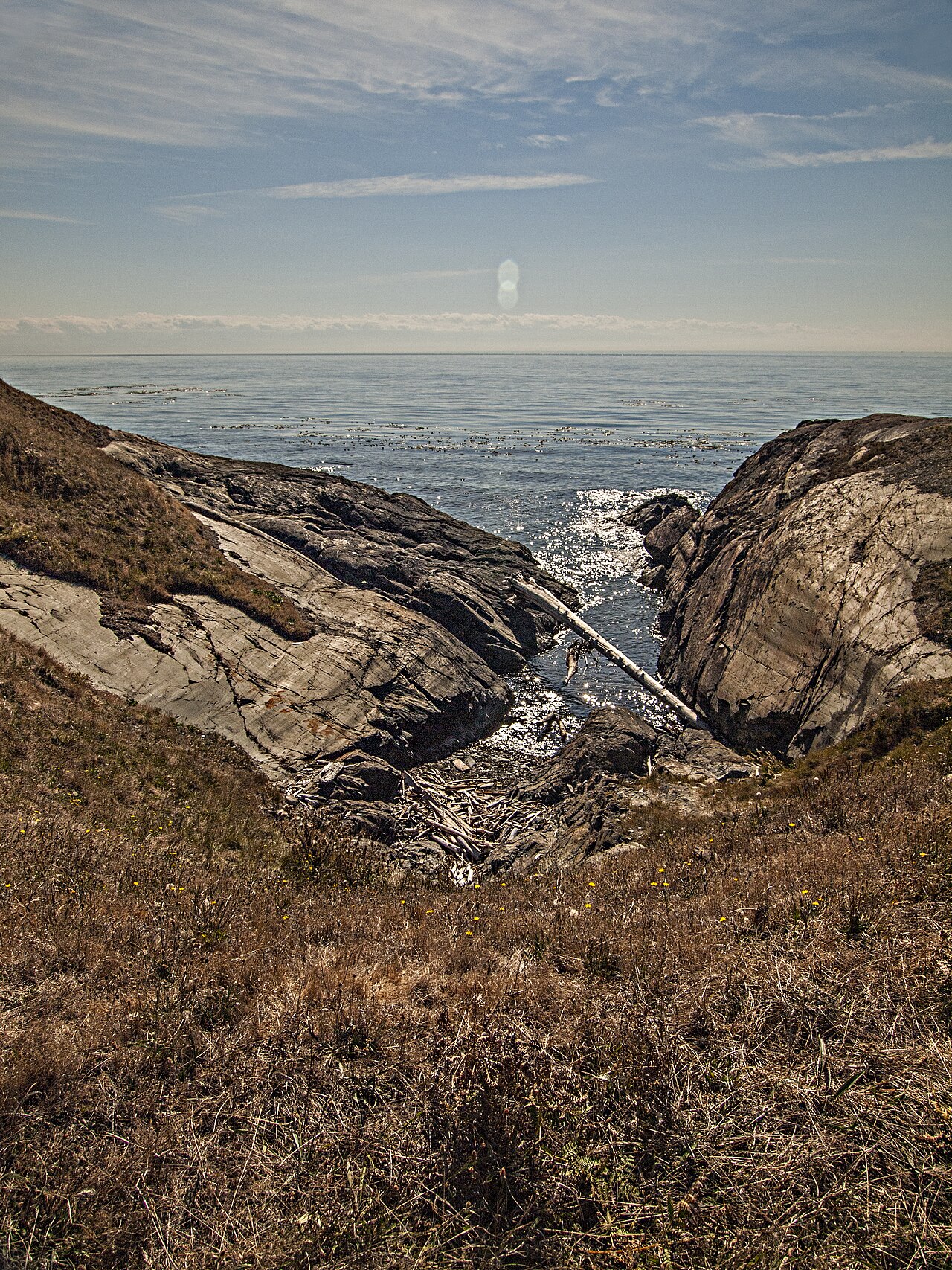
Iceberg Point on Lopez Island, photographed by Jeff Clark for the Bureau of Land Management
Geographic context photograph — not a crime-scene image.
Read the evidence notes
Iceberg Point on Lopez Island, photographed by Jeff Clark for the Bureau of Land Management. Landscape context, not a recovery site; no body was produced at trial.
Commons-provided resized image; no content edits. The source and reuse license are linked below.
Bureau of Land Management Oregon and Washington from Portland, America · Image source · Public domain
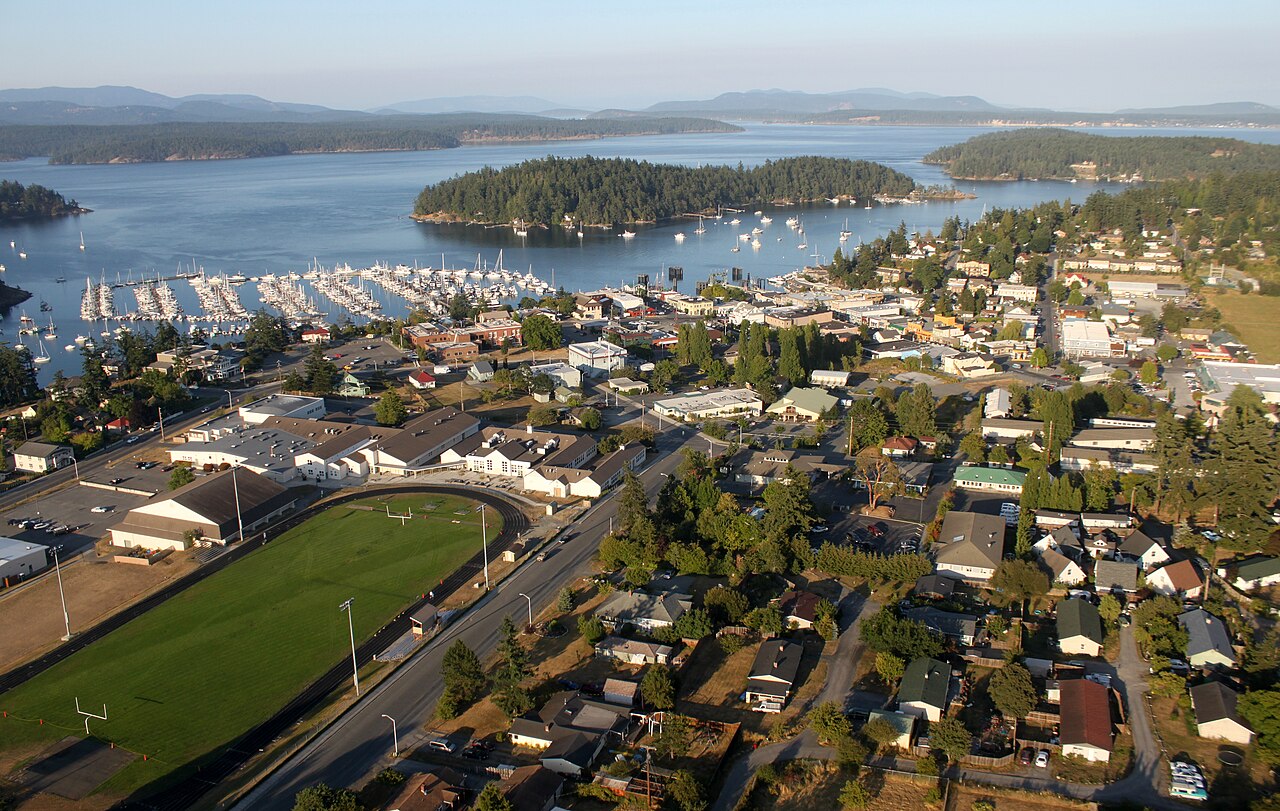
Friday Harbor in an August 2009 aerial photograph
Geographic context photograph — not a crime-scene image.
Read the evidence notes
Friday Harbor in an August 2009 aerial photograph. Geographic context for San Juan County; not a photograph of the 1985 proceedings.
Commons-provided resized image; no content edits. The source and reuse license are linked below.
Jelson25 · Image source · Public domain
Steel from the 1978 bridge collision
Photograph of the preserved bridge section, taken at the Log House Museum in 2009.
Read the evidence notes
Neslund was piloting the freighter Chávez when it struck the West Seattle Bridge in June 1978. The collision had made him a familiar name in Seattle before he disappeared in 1980.
This artifact belongs to his maritime history. It does not establish what happened on Lopez Island.
Source 2 ↗ · Joe Mabel · Image source · CC BY-SA 3.0

★ Key evidence used in a conviction · ✓ Exclusion or reversal · ◇ Disputed evidence · ⊘ Excluded at retrial · ◆ Identity / investigative finding, not a conviction. A symbol does not mean one item proved the whole case.
Follow the locations
Put the story on the map.
Follow the dated entries, then select an event to find its regional setting. Shared-location pins open a group of events. Evidence symbols identify important findings and their limitations.
Open the map in its own window ↗Sources & further reading
- State v. Neslund, 50 Wn. App. 531 — Washington Court of AppealsFull court opinion: finances, letter, disappearance, blood, gun, witnesses, corpus delicti and affirmance.
- Ruth Neslund murders her husband, Rolf Neslund, on Lopez Island — HistoryLinkMaritime context, dated prosecution milestones, sentence, Robert not charged, Ruth’s 1993 death.
Editorial review: 2026-11-12 · 597 words