Michelle Mockbee got to work early on May 29, 2012. She handled payroll at a Thermo Fisher Scientific facility in Florence, Kentucky. Later that morning she was found dead in a mezzanine inside the building. Prosecutors would argue that one reason she might have been in danger had to do with the ordinary job she came in to do. [1] [4]
David Dooley and his wife cleaned at the facility. He had been clocking in for both of them while she was ill, according to the Kentucky Supreme Court’s account of the evidence. Prosecutors argued he feared Michelle would find out. What Michelle knew that morning remained an open question. [1]
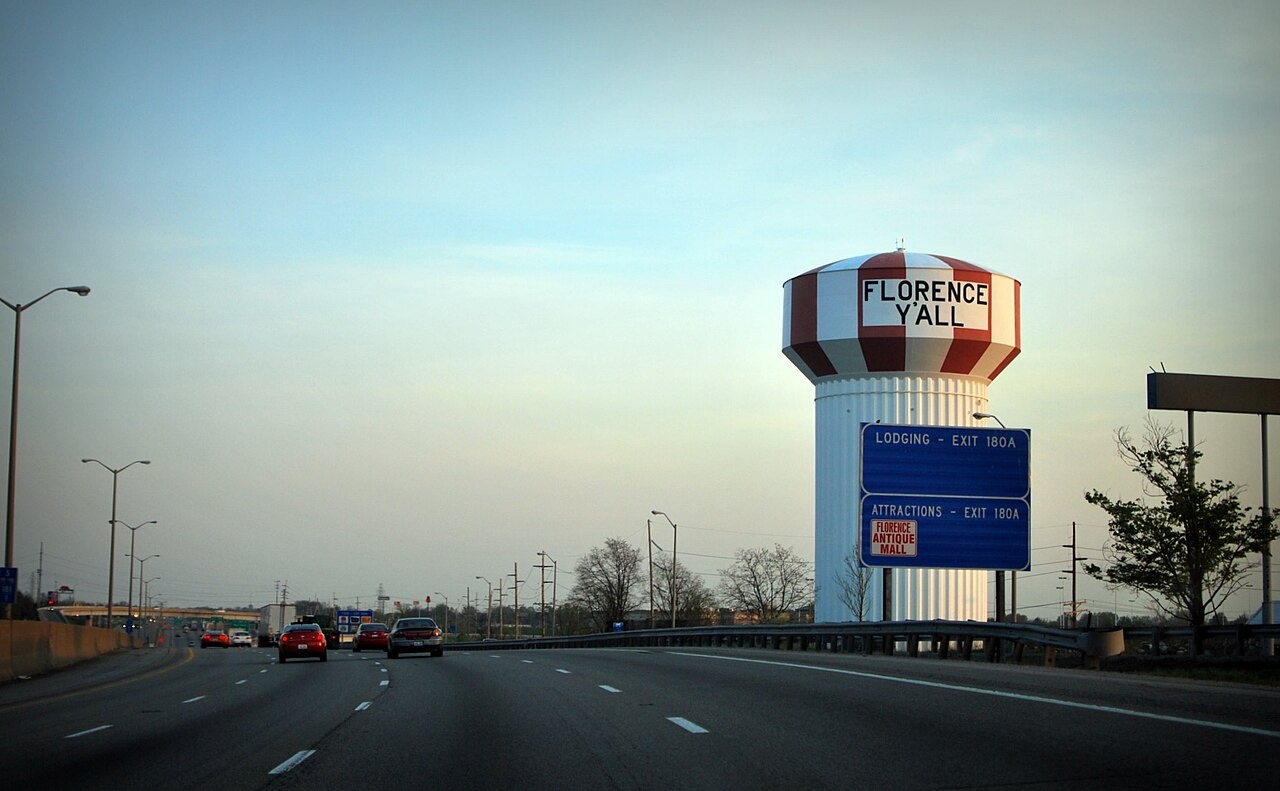
Morgan from Montreal, Quebec, Canada · Image source · CC BY 2.0 · Geographic context; not authentic crime evidence. The building or landscape is public geographic context; no event is assigned to it.

What went to the lab
Investigators cut the restaurant carry-out bag found over Michelle’s head during removal. The piece they retained yielded DNA attributed to both Michelle and Dooley. The finding put material associated with Dooley on a particular object. It gave the jury no time for when he might have touched it. Another piece, described by the court as bloodier, was apparently discarded before it could be tested. [1]
Jurors also heard about Dooley leaving the building around the relevant time, unusually clean white shoes and a strong smell of bleach in a closet he used. At a workplace where he was paid to clean, the state relied on what witnesses said was unusual that morning. Dooley said he had left to check on his wife. [1]
w_lemay · Image source · CC0 · Geographic context; not authentic crime evidence. The building or landscape is public geographic context; no event is assigned to it.

A recording the defense hadn’t seen
Dooley was convicted in 2014. His lawyers later learned that the prosecution had surveillance footage showing an unidentified person on the property before the killing. They hadn’t been given the footage before trial. In 2017 the judge set aside the conviction and ordered a new trial. The recording gave the defense something concrete to investigate about who could approach the building. It supplied no image of Michelle’s killing. [1] [2]
The second jury convicted Dooley of murder and evidence tampering in 2019. He received a forty-three-year sentence. On appeal his lawyers argued, among other things, that jurors should have been allowed to draw a favorable inference from the loss of the second piece of the bag. The Kentucky Supreme Court found the possible result of a test too speculative to require that instruction. [1] [3]

EEJCC · Image source · CC BY-SA 4.0 · Geographic context; not authentic crime evidence. The building or landscape is public geographic context; no event is assigned to it.

The knife and gloves
The court found that the second jury should never have seen a red folding knife and latex gloves taken from Dooley’s truck months after the crime. The state hadn’t established a sufficient connection to the killing. The judges ruled that admitting them had been an error and that it hadn’t affected the verdict enough to overturn it. They affirmed in 2021. The tested piece of the bag stayed in the record. What a lab might have found on the other piece remains unknown. [1]
Case brief
Florence, Kentucky · 2012
- Recorded outcome
- David Dooley’s first conviction was set aside. A jury convicted him of murder and tampering in 2019, and he was sentenced to 43 years. Kentucky’s Supreme Court affirmed in 2021 and the U.S. Supreme Court declined review in January 2022.
Key moments
People in this case
- Michelle Mockbee
Murder victim
Photo at source · Middendorf-Bullock Funeral Homes · family obituary
Look closer · 9 visuals
Inside the evidence.
Open a visual to explore what it contributed to the case—and the limits of what it shows. Photographs, historical reproductions and original illustrations are individually labeled. Open the notes for each image’s source, credit, and limitations; setting photographs do not depict crime scenes.
The fragment with a result
Original editorial illustration — not an actual evidence photograph or exhibit.
Read the evidence notes
The lab linked Dooley to material on one fragment.
Contact cannot be timed by this result.
The other fragment
Original editorial illustration — not an actual evidence photograph or exhibit.
Read the evidence notes
A second piece was unavailable for testing.
Neither an inculpatory nor an exculpatory result can be assigned.
Footage the defense did not receive
Original editorial illustration — not an actual evidence photograph or exhibit.
Read the evidence notes
The court found potential value to the defense.
The video did not establish the identity of the killer.
The payroll theory
Original editorial illustration — not an actual evidence photograph or exhibit.
Read the evidence notes
The state linked payroll access to a theory of motive.
The evidence does not document a confrontation.
Bleach and white shoes
Original editorial illustration — not an actual evidence photograph or exhibit.
Read the evidence notes
Witness observations supported a circumstantial argument.
There is no shoe-print identification in the reviewed summary.
Items without a specific link
Original editorial illustration — not an actual evidence photograph or exhibit.
Read the evidence notes
The state Supreme Court said the items should not have been admitted.
The error did not overturn the retrial judgment.
The Florence water tower in northern Kentucky
Context photograph — not an actual crime exhibit. The building or landscape is public geographic context; no event is assigned to it.
Read the evidence notes
The Florence water tower in northern Kentucky. Geographic context photograph; not a crime-scene photograph or an original evidence exhibit. The building or landscape is public geographic context; no event is assigned to it.
Geographic context; not authentic crime evidence. The building or landscape is public geographic context; no event is assigned to it. The source and reuse terms are linked below.
Morgan from Montreal, Quebec, Canada · Image source · CC BY 2.0
Boone County Courthouse in Burlington
Context photograph — not an actual crime exhibit. The building or landscape is public geographic context; no event is assigned to it.
Read the evidence notes
Boone County Courthouse in Burlington. Geographic context photograph; not a crime-scene photograph or an original evidence exhibit. The building or landscape is public geographic context; no event is assigned to it.
Geographic context; not authentic crime evidence. The building or landscape is public geographic context; no event is assigned to it. The source and reuse terms are linked below.
w_lemay · Image source · CC0
Covington, Kentucky, in the Northern Kentucky region
Context photograph — not an actual crime exhibit. The building or landscape is public geographic context; no event is assigned to it.
Read the evidence notes
Covington, Kentucky, in the Northern Kentucky region. Geographic context photograph; not a crime-scene photograph or an original evidence exhibit. The building or landscape is public geographic context; no event is assigned to it.
Geographic context; not authentic crime evidence. The building or landscape is public geographic context; no event is assigned to it. The source and reuse terms are linked below.
EEJCC · Image source · CC BY-SA 4.0
★ Key evidence used in a conviction · ✓ Exclusion or reversal · ◇ Disputed evidence · ⊘ Excluded at retrial · ◆ Identity / investigative finding, not a conviction. A symbol does not mean one item proved the whole case.
Follow the locations
Put the story on the map.
Follow the dated entries, then select an event to find its regional setting. Shared-location pins open a group of events. Evidence symbols identify important findings and their limitations.
Open the map in its own window ↗Sources & further reading
- Dooley v. Commonwealth · Kentucky Supreme CourtRetrial record, DNA, bag fragment, harmless errors, prior vacatur and affirmance.
- Northern Kentucky Tribune · Order granting a new trialFirst conviction set aside and reason for new trial.
- WCPO · Verdict in the David Dooley retrialSecond verdict. Sentence also checked in the court opinion.
- WCPO · Retrial hearing coverageDate of the killing and context for hearing.
- U.S. Supreme Court order list, Dooley v. Kentucky, No. 21-6275Records denial of certiorari following the Kentucky Supreme Court’s decision on the retrial.
Editorial review: 2026-11-12 · 468 words