Before Melissa Jenkins went to help with a stalled vehicle, she called a friend. The woman who’d asked for help seemed connected to the man who plowed Melissa’s driveway. Something about the request worried her. She passed along information from the plowing business’s card so somebody else would know where she’d gone. [1]
When the friend went looking for her, Melissa’s vehicle was still running. Her young son was inside. Melissa was gone. Her friend called police and told them what she’d said before leaving. At her home, officers found the card itself. [1]
The number on the card
The number led to Allen and Patricia Prue. Police reached them early on March 26, 2012. They were already awake for their newspaper deliveries and let officers search their home. The couple had another reason to expect a call from police. Patricia had made an identity-theft complaint, and investigators used it as a reason to invite them to the barracks. Allen later acknowledged that he wanted to know about the homicide investigation too. [1]
At the barracks, officers offered the couple water, saved the cups for DNA testing and, with Patricia’s consent, downloaded the contents of her phone. A camera and microphone recorded the visit. Those steps gave police material to examine. The court’s account makes clear how much of the case was still being put together. Melissa’s body had been recovered, and police were trying to establish what each spouse had done. [1]
The second visit
On March 27, the Prues returned to the barracks. Officers separated them. Allen’s questioning began at about 5:30 p.m. Investigators told him early on that he could leave, talked about ordinary subjects and offered breaks. They were also asking about a killing. About two hours in, they advised him of his rights. He agreed to keep speaking. [1]
Allen admitted strangling Melissa and directed officers to places associated with burned clothing, a discarded telephone and other evidence. The court’s account puts the entire interview and the trips at about seven hours. For police, his directions gave them places to check. For his lawyers, the length of the encounter, its identity-theft pretext and the way officers presented his rights raised a question about what he had understood when he agreed to talk. [1]
What he understood
A defense expert testified about Allen’s intellectual limitations. The trial judge examined the recorded interview and looked at what Allen did with the questions put to him. He could follow a discussion of mechanics and welding, understood military time and realized police could check his account of a restaurant visit against its cameras. When officers suggested Patricia had already talked, he recognized the tactic. [1]
Those exchanges helped the judge conclude that Allen understood the warnings and knowingly gave up his right to remain silent. The Vermont Supreme Court considered the way officers had managed the interview and upheld that ruling. It also addressed other challenges to the evidence, including material connected to Patricia, and affirmed Allen’s convictions and sentence in 2016. [1]
The cases against the Prues
A jury convicted Allen of first-degree murder, conspiracy to commit murder and attempted kidnapping. Patricia pleaded guilty in a separate proceeding in February 2015. WPTZ reported that she received life without parole for her role in Melissa’s death. [1] [2]
Melissa was a teacher at St. Johnsbury Academy and the mother of the little boy her friend found in the vehicle. The people investigating her death had months of interviews, testing and legal arguments ahead of them. The first useful piece of information came from a decision she’d made herself. She called someone and gave them the number on the card. [1]
Case brief
St. Johnsbury area, Vermont · 2012
- Recorded outcome
- Allen Prue convicted; 2016 appeal affirmed; Patricia Prue pleaded guilty
Key moments
People in this case
- Melissa Jenkins
Murder victim and St. Johnsbury Academy teacher
Photo at source · Associated Press via Times Union · case photograph
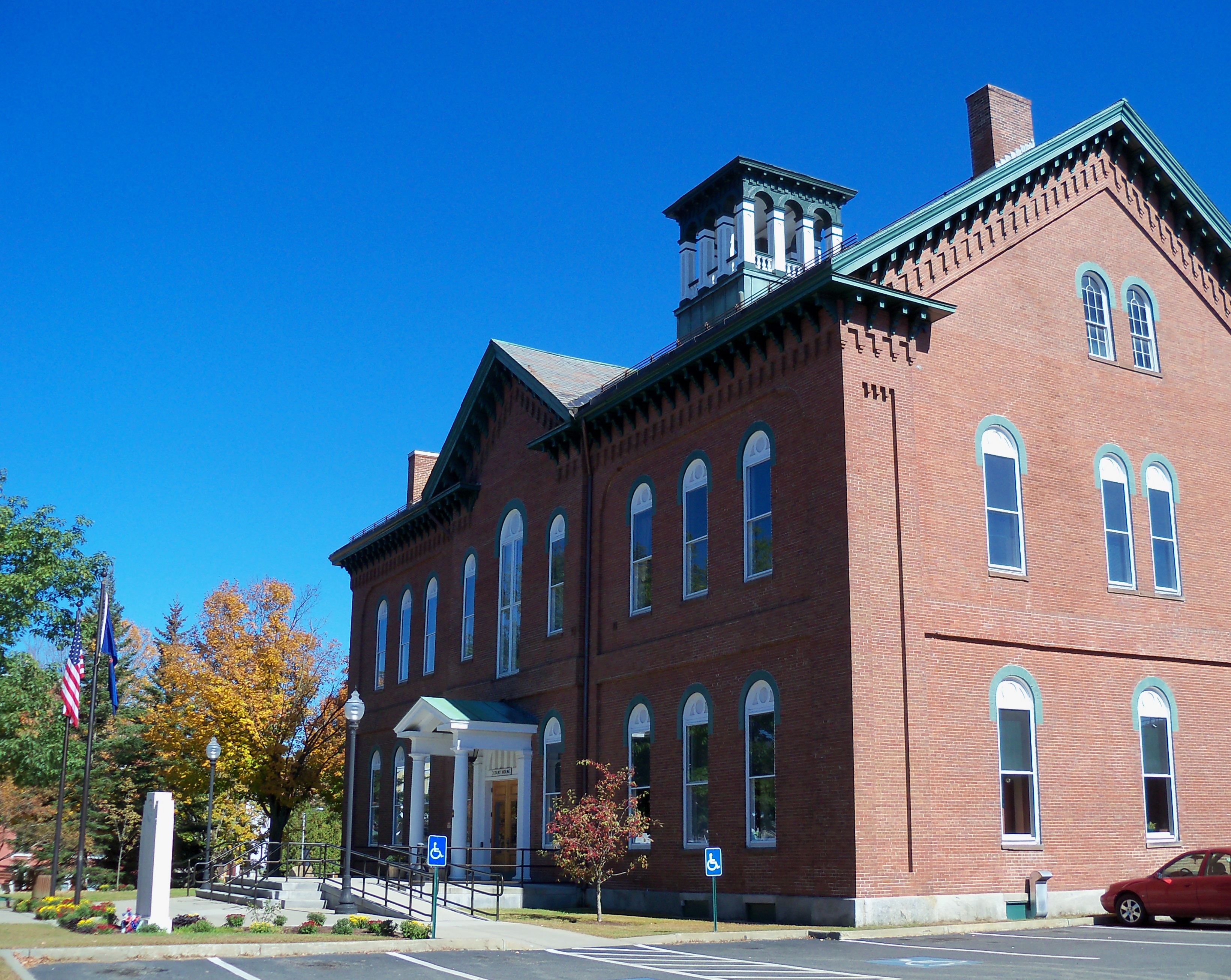
AlexiusHoratius · Image source · CC BY-SA 3.0

Look closer · 3 visuals
Inside the evidence.
Open a visual to explore what it contributed to the case—and the limits of what it shows. These original illustrations explain the record; they are not photographs of the actual evidence.
The business card
Original editorial illustration — not an actual evidence photograph or exhibit.
Read the evidence notes
Melissa gave a friend the number from the snowplowing business card before leaving. Investigators also found the card at her home.
The illustrated card contains no real contact details and is not a reproduction. A connection alone did not prove murder.
The interview timeline
Original editorial illustration — not an actual evidence photograph or exhibit.
Read the evidence notes
Allen’s admission became an important part of the case. The appeal examined his understanding and the officers’ interview methods.
The illustration does not reproduce audio, a transcript or the interview room.
Collected is not matched
Original editorial illustration — not an actual evidence photograph or exhibit.
Read the evidence notes
Police retained cups the Prues used during their March 26 visit to the barracks and downloaded Patricia’s phone with permission.
The cited passage establishes collection, not a claim that these cups produced a decisive DNA match.
★ Key evidence used in a conviction · ✓ Exclusion or reversal · ◇ Disputed evidence · ⊘ Excluded at retrial · ◆ Identity / investigative finding, not a conviction. A symbol does not mean one item proved the whole case.
Follow the locations
Put the story on the map.
Follow the dated entries, then select an event to find its regional setting. Shared-location pins open a group of events. Evidence symbols identify important findings and their limitations.
Open the map in its own window ↗Sources & further reading
- Vermont v. Prue
- Patricia Prue gets life without parole — WPTZSeparate guilty plea and life-without-parole sentence; teacher's identity.
- Body found believed to be missing VT woman — WPTZMarch 26 discovery in Barnet; contemporary identification initially provisional, read with later court opinion.
Editorial review: 2026-11-12 · 610 words