After softball on May 10, 2006, Jessica O’Grady went to see her aunt, Shauna Stanzel. Later, Jessica called her friend Keri Peterson from the car to say she was going to Christopher Edwards’s house. The phone record put that call at 11:29 p.m. Her last outgoing call was to Edwards at 11:48. [1]
By Sunday, Jessica had missed another softball game. Her cat and belongings were still at the apartment she shared with friends. Her last paycheck was still at the restaurant where she and Edwards worked. Police found her car in a parking lot across from the restaurant. [1]
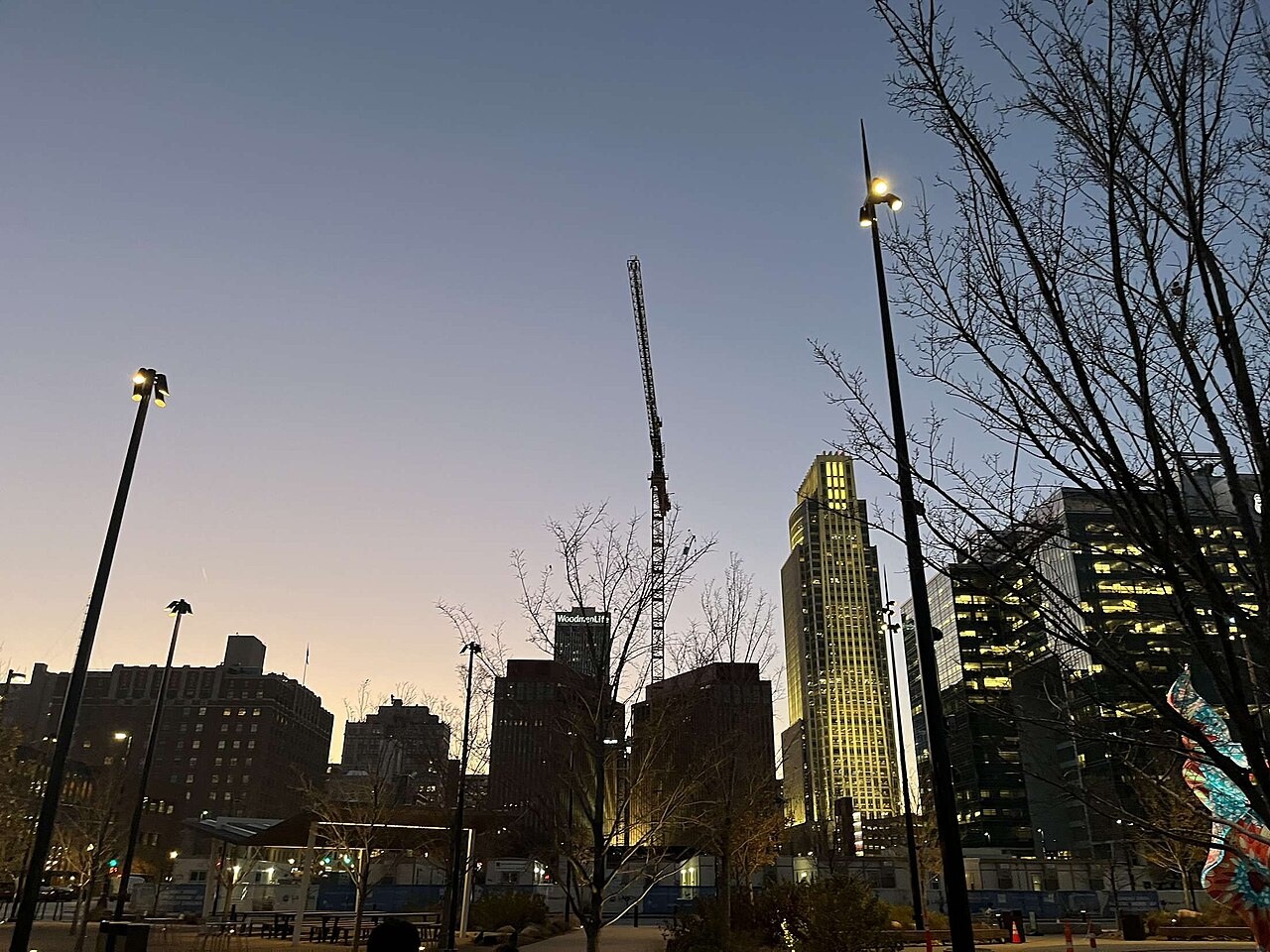
JNOJ1423 · Image source · CC0 · Geographic or historical context; not authentic crime evidence.

The mattress and the receipt
Edwards told Stanzel he hadn’t heard from Jessica since May 9. When officers searched his bedroom, they found blood on the furniture and ceiling and a large, damp stain on the underside of the mattress. Someone had covered some of the ceiling stains with white paint. Police found a bloodstained sword in the closet. Testing linked Jessica’s DNA to blood in the room, on the sword and in Edwards’s car. [1]
A drugstore receipt turned up in a bag with bloodstained towels. Store video showed Edwards buying poster paint, white shoe polish and correction fluid at 7:41 p.m. on May 11. A comparison found that the poster paint was chemically identical to the paint found on the ceiling. [1]
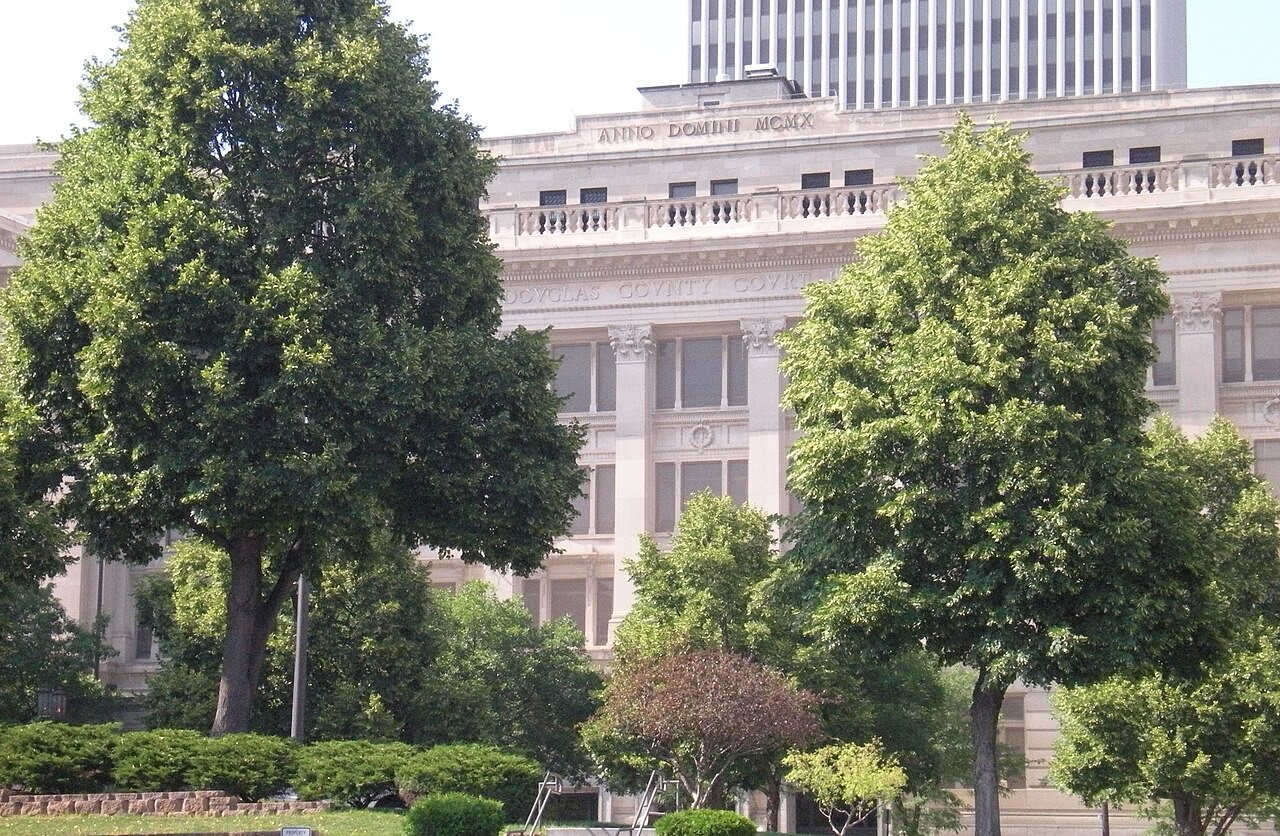
JonClee86 at en.wikipedia · Image source · CC BY-SA 3.0 · Geographic or historical context; not authentic crime evidence.

The evidence went back to court
A jury convicted Edwards of second-degree murder and a weapon offense in 2007. He received eighty years to life for murder and a consecutive twenty-year term on the weapon count. In 2009, the Nebraska Supreme Court held that the jury could infer Jessica’s death from the forensic evidence and the abrupt end of her ordinary life. [1] [2]
David Kofoed, a crime-scene supervisor who worked on the case, was later found to have planted evidence in other investigations. Edwards argued that evidence in Jessica’s case had been fabricated and that his lawyer had a conflict involving Kofoed. The Nebraska Supreme Court ordered a hearing in 2012. After the hearing, the courts rejected both claims, and the state Supreme Court affirmed that decision in 2016. It upheld dismissal of a later motion as untimely in 2018. [2] [3]
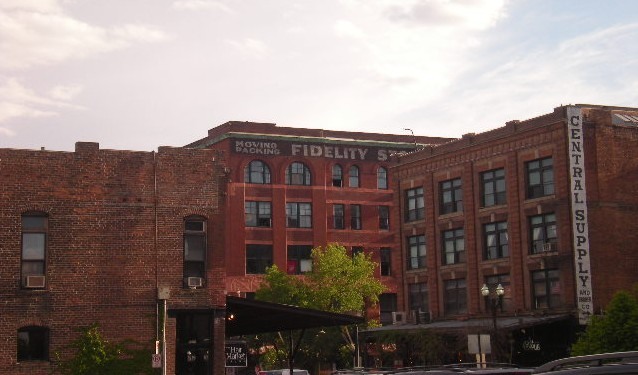
Jon Clee / JonClee86 at en.wikipedia · Image source · CC BY-SA 3.0 · Geographic or historical context; not authentic crime evidence.

The search for Jessica
In January 2025, Douglas County Sheriff Aaron Hanson said investigators were still seeking Jessica’s remains. The public records I could verify through November 12, 2026, reported no recovery. The sheriff asked anyone with information about where to find her to call 402-444-6000. [4] [5]
Case brief
Omaha, Nebraska · 2006
- Recorded outcome
- Christopher Edwards was convicted of second-degree murder and a weapon offense in 2007. The Nebraska Supreme Court affirmed the judgment in 2009 and later rulings in 2016 and 2018. The Douglas County sheriff said in January 2025 that Jessica’s remains were still being sought. No later recovery was verified as of November 12, 2026.
Key moments
People in this case
- Jessica O’Grady
Murder victim
Photo at source · The Charley Project · identified case photographs 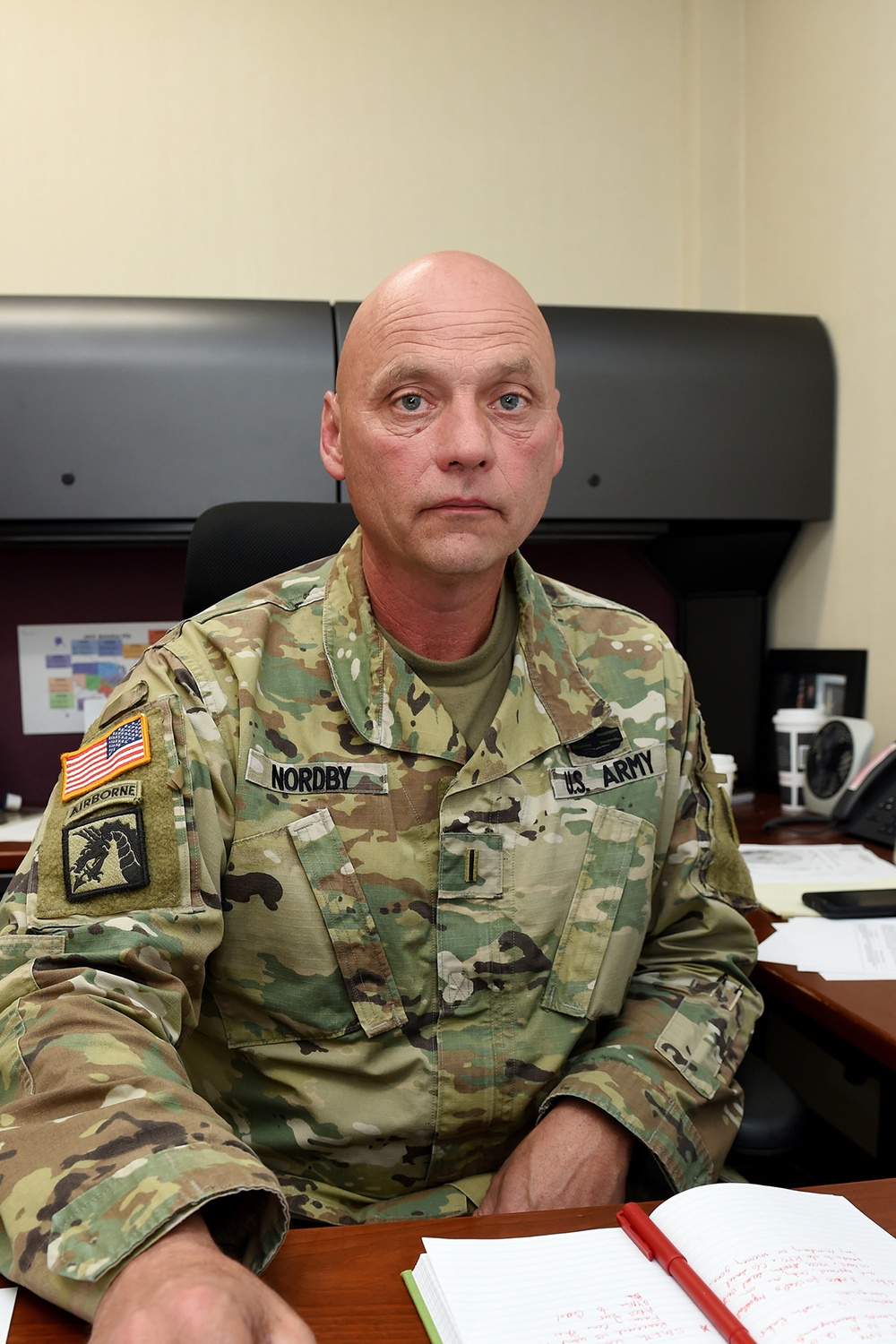
Eric Nordby An Omaha police detective who interviewed Christopher Edwards during the investigation. Nordby is pictured in his Army Reserve office in 2019.
Official portrait · Sgt. David Lietz, U.S. Army Reserve · U.S. public domainThe appearance of U.S. Department of War (DoW) visual information does not imply or constitute DoW endorsement.
Look closer · 9 visuals
Inside the evidence.
Open a visual to explore what it contributed to the case—and the limits of what it shows. Photographs, historical reproductions and original illustrations are individually labeled. Open the notes for each image’s source, credit, and limitations; setting photographs do not depict crime scenes.
Routines that did not resume
Original editorial illustration — not an actual evidence photograph or exhibit.
Read the evidence notes
Friends’ knowledge of Jessica’s habits helped establish concern about her disappearance.
Not invented personal photographs or a reconstruction of her thoughts.
The turned mattress
Original editorial illustration — not an actual evidence photograph or exhibit.
Read the evidence notes
The bedroom evidence supported a lethal event and attempted concealment.
An explanatory guide, not a photograph of the actual mattress.
The receipt and the ceiling paint
Original editorial illustration — not an actual evidence photograph or exhibit.
Read the evidence notes
A recording and chemical comparison connected purchases to scene evidence.
Not an authentic store receipt or surveillance still.
A verdict without recovered remains
Original editorial illustration — not an actual evidence photograph or exhibit.
Read the evidence notes
The court upheld this record’s proof of death despite no recovered body at trial.
No current recovery status or rule for all missing-person cases is asserted.
Misconduct elsewhere required inquiry
Original editorial illustration — not an actual evidence photograph or exhibit.
Read the evidence notes
Proven misconduct in other investigations prompted review but did not establish planting here.
The gallery does not label contested evidence as proven fabrication.
Three different appellate tasks
Original editorial illustration — not an actual evidence photograph or exhibit.
Read the evidence notes
The reviewed decisions address different questions and should not be conflated.
Procedural dismissal is not an independent factual retrial.
Omaha skyline beyond Gene Leahy Mall
Context photograph — not an actual crime exhibit.
Read the evidence notes
Omaha skyline beyond Gene Leahy Mall. Geographic context photograph; not a crime-scene photograph or an original evidence exhibit.
Geographic or historical context; not authentic crime evidence. The source and reuse terms are linked below.
JNOJ1423 · Image source · CC0
Douglas County Courthouse in Omaha
Context photograph — not an actual crime exhibit.
Read the evidence notes
Douglas County Courthouse in Omaha. Geographic context photograph; not a crime-scene photograph or an original evidence exhibit.
Geographic or historical context; not authentic crime evidence. The source and reuse terms are linked below.
JonClee86 at en.wikipedia · Image source · CC BY-SA 3.0
Omaha’s Old Market district
Context photograph — not an actual crime exhibit.
Read the evidence notes
Omaha’s Old Market district. Geographic context photograph; not a crime-scene photograph or an original evidence exhibit.
Geographic or historical context; not authentic crime evidence. The source and reuse terms are linked below.
Jon Clee / JonClee86 at en.wikipedia · Image source · CC BY-SA 3.0
★ Key evidence used in a conviction · ✓ Exclusion or reversal · ◇ Disputed evidence · ⊘ Excluded at retrial · ◆ Identity / investigative finding, not a conviction. A symbol does not mean one item proved the whole case.
Follow the locations
Put the story on the map.
Follow the dated entries, then select an event to find its regional setting. Shared-location pins open a group of events. Evidence symbols identify important findings and their limitations.
Open the map in its own window ↗Sources & further reading
- State v. Edwards — Nebraska Supreme CourtFamily and friends, last communications, searches, blood and DNA, paint receipt, expert testimony, murder without recovered body and direct affirmance.
- State v. Edwards — Nebraska Supreme Court postconviction appeal2012 hearing remand, 2013–2014 hearings, Kofoed’s other misconduct, rejection of fabrication and conflict claims.
- State v. Edwards — Nebraska Supreme Court later motionLater motion and statutory time-limit affirmance; date restricted to verified year in this package.
- Douglas County sheriff interview on Jessica O’Grady — People, syndicated by AOLThe sheriff’s case-specific statement that the search for Jessica’s remains continues, and his request for tips at 402-444-6000.
- Douglas County Sheriff’s Office public tip requestAgency post verifies that 402-444-6000 remains the sheriff’s general tip line. The post concerns a separate case.
Editorial review: 2026-11-12 · 422 words