Barbara LeValley got a call from a boat on Sunday, August 4, 1985. Edward Sherman said he hadn’t reached his wife, Ellen, for two days and asked someone to check on her. LeValley sent a friend, Len Fredriksen. He found the house locked, pried open a window and found Ellen dead in the bedroom. The door was closed and the air conditioner was running. Fredriksen remembered how cold it was. [1]
Ellen ran a graphic-design business in East Lyme. On the Friday before she was found, she and Edward had come home from work at about four. Several hours later, Edward left on a weeklong sailing trip with four friends. Investigators had to work out whether Ellen, who had been strangled, died before or after the boat left. [1] [2]

Pi.1415926535 · Image source · CC BY-SA 3.0 · Geographic or historical context; not authentic crime evidence.

What the cold changed
Chief medical examiner Catherine Galvin examined Ellen at seven on Monday morning. She initially estimated that Ellen had died twenty-four to thirty-six hours earlier, by which time Edward was already away. When Galvin learned about the cold bedroom, she revised the interval to forty-eight to ninety-six hours before the examination. That brought Friday evening into the window. [1]
Galvin told jurors that cold can affect how rigor mortis develops and how long it lasts. The defense pressed her on the absence of a reliable temperature reading and on what the air conditioner could actually do. The appeals court held that jurors could hear Galvin’s revised estimate and weigh those uncertainties. [1]
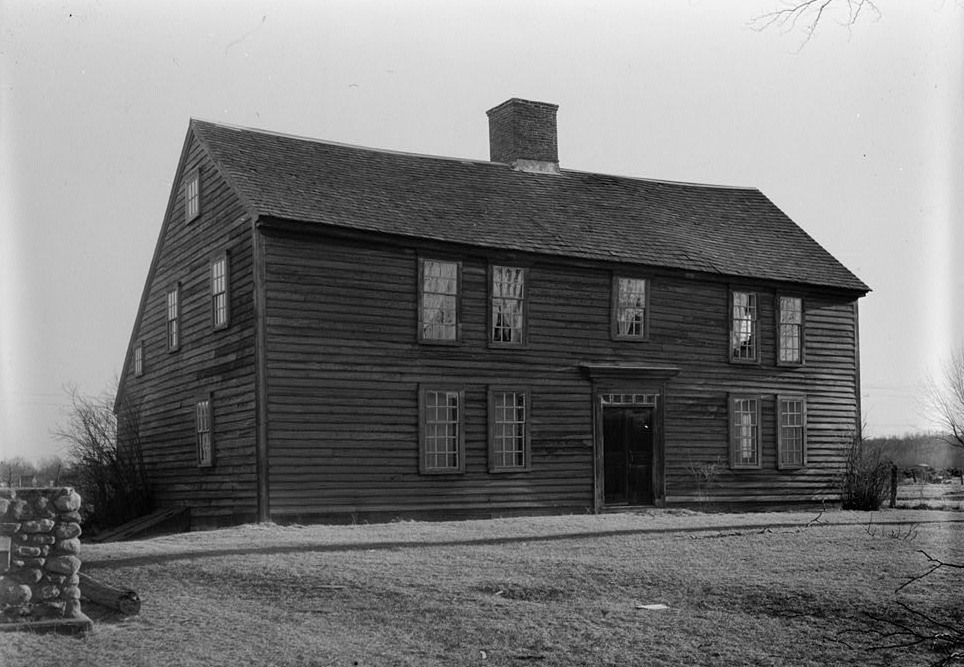
Stanley P. Mixon · Image source · Public domain · Geographic or historical context; not authentic crime evidence.


The linguine in the refrigerator
Galvin found linguine and clam sauce in Ellen’s stomach. Police later took containers of linguine and red clam sauce from the refrigerator. Edward had been allowed back into the house days before the food was seized. The court held that the food was relevant to the disputed timeline and to Edward’s account of the afternoon before he left. How much it showed about when Ellen ate was for the jury to weigh. [1]
The forensic team’s later account describes a separate challenge to Edward’s story. A child said she had picked up an extension phone while he appeared to be talking to Ellen. She recalled hearing the line ring without an answer. [2]
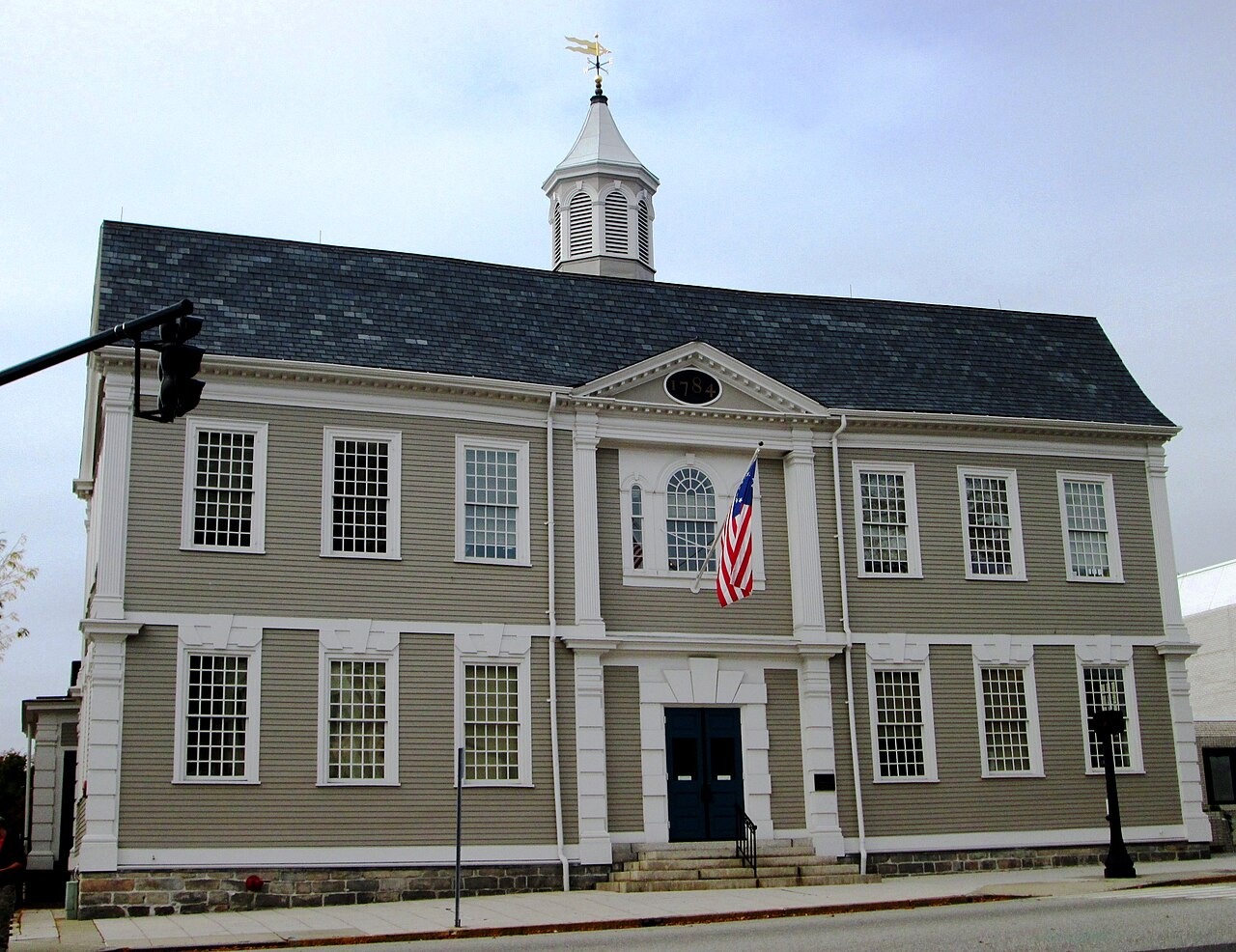
Beyond My Ken · Image source · CC BY-SA 4.0 · Geographic or historical context; not authentic crime evidence.

The verdict
Edward was arrested in March 1990. A jury convicted him of murder. The Connecticut Appellate Court affirmed in July 1995, and the state Supreme Court declined further review in September. A later account reports that Edward died in 1996 while serving his sentence. [1] [3] [4]
Case brief
East Lyme, Connecticut · 1985
- Recorded outcome
- Edward Sherman was convicted of murder. The Connecticut Appellate Court affirmed in July 1995, and the state Supreme Court denied review that September. Later reporting records his death in 1996 while serving the sentence.
Key moments
People in this case
- Ellen Sherman
Murder victim
Photo at source · Forensic Files · published episode photographs - Edward Sherman
Convicted of murdering Ellen Sherman
Photo at source · Forensic Files Files · courtroom still
Look closer · 9 visuals
Inside the evidence.
Open a visual to explore what it contributed to the case—and the limits of what it shows. Photographs, historical reproductions and original illustrations are individually labeled. Open the notes for each image’s source, credit, and limitations; setting photographs do not depict crime scenes.
The alibi meets a revised interval
Original editorial illustration — not an actual evidence photograph or exhibit.
Read the evidence notes
The earlier interval overlapped a period before the sailing departure.
Expert ranges, not a clock recording the killing.
A cold room changes interpretation
Original editorial illustration — not an actual evidence photograph or exhibit.
Read the evidence notes
Cooling was central to reconsidering the postmortem interval.
No continuous temperature log or exact thermostat setting is recreated.
Food evidence has its own dates
Original editorial illustration — not an actual evidence photograph or exhibit.
Read the evidence notes
These steps were separated in time and must not be collapsed into one search.
Illustration, not photographs of stomach contents or seized meals.
What a sailing trip establishes
Original editorial illustration — not an actual evidence photograph or exhibit.
Read the evidence notes
The trip was real evidence of absence during part of the period; timing was the dispute.
No invented sailing track or boat photograph is presented.
Experts and the defense
Original editorial illustration — not an actual evidence photograph or exhibit.
Read the evidence notes
The appeal addressed expert and disclosure issues in the particular trial.
Affirmance does not make an estimate a precise timestamp.
Two accounts, one calendar caution
Original editorial illustration — not an actual evidence photograph or exhibit.
Read the evidence notes
The court chronology controls where the retrospective calendar conflicts.
The retrospective is not independent proof of a new event.
Niantic Beach and the Niantic River Bridge in East Lyme
Context photograph — not an actual crime exhibit.
Read the evidence notes
Niantic Beach and the Niantic River Bridge in East Lyme. Geographic context photograph; not a crime-scene photograph or an original evidence exhibit.
Geographic or historical context; not authentic crime evidence. The source and reuse terms are linked below.
Pi.1415926535 · Image source · CC BY-SA 3.0
The historic Thomas Lee House in East Lyme
Context photograph — not an actual crime exhibit.
Read the evidence notes
The historic Thomas Lee House in East Lyme. Geographic context photograph; not a crime-scene photograph or an original evidence exhibit.
Geographic or historical context; not authentic crime evidence. The source and reuse terms are linked below.
Stanley P. Mixon · Image source · Public domain
New London County Courthouse
Context photograph — not an actual crime exhibit.
Read the evidence notes
New London County Courthouse. Geographic context photograph; not a crime-scene photograph or an original evidence exhibit.
Geographic or historical context; not authentic crime evidence. The source and reuse terms are linked below.
Beyond My Ken · Image source · CC BY-SA 4.0
★ Key evidence used in a conviction · ✓ Exclusion or reversal · ◇ Disputed evidence · ⊘ Excluded at retrial · ◆ Identity / investigative finding, not a conviction. A symbol does not mean one item proved the whole case.
Follow the locations
Put the story on the map.
Follow the dated entries, then select an event to find its regional setting. Shared-location pins open a group of events. Evidence symbols identify important findings and their limitations.
Open the map in its own window ↗Sources & further reading
- State v. Sherman, 38 Conn. App. 371 — Connecticut Appellate CourtJudicial record of alibi, cooled room, expert estimates, food evidence, trial challenges and affirmance. Government opinion mirrored by CaseMine.
- A Case Study: Homicide Investigation Using Forensic Science — Lee and colleaguesLimited attributed background and retrospective account; fewer than 200 derived words. Discovery weekday inconsistency not adopted.
- State v. Sherman, 38 Conn. App. 371, with certification historyText of the appeals court opinion and its reporter notation of the September 13, 1995 denial of certification.
- Ellen and Ed Sherman — Rebecca Reisner, Forensic Files NowRetrospective citing newspaper coverage of Sherman's death while serving the murder sentence in 1996.
Editorial review: 2026-11-12 · 411 words